
England’s Growing Deer Population Threatening Forests and Agriculture
The UK government has unveiled a long-awaited 10-year deer management strategy aimed at tackling the rapid rise in deer populations across England. With an estimated two million deer now living in Britain, their expanding numbers are increasingly linked to damage to woodlands, newly planted forests, and farmland.
Government figures suggest one-third of English woodlands are now in poor condition due to excessive deer grazing and trampling. Farmers also report significant crop losses, highlighting the urgent need for effective deer population management.
New Government Strategy to Control Deer Numbers
The government’s new strategy will focus on targeted deer culling in priority areas where populations are highest and ecological damage is most severe.
Key proposals include:
- Identifying national priority zones for deer population control
- Making it easier to obtain licences for night-time deer shooting
- Streamlining permissions for out-of-season culling
- Considering expanded legal rights for farmers to shoot deer damaging crops
Nature Minister Mary Creagh said the policy aims to help landowners protect their land while ensuring woodlands and ecosystems can recover.
Deer Damage to Crops, Woodlands and Infrastructure
Unchecked deer populations can have significant environmental and economic consequences.
Key impacts include:
- Woodland degradation from grazing on young trees and plants
- Reduced forest regeneration and biodiversity loss
- Crop destruction affecting farmers’ incomes
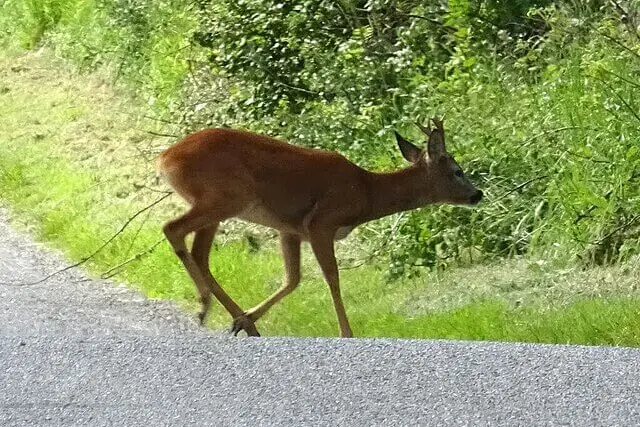
- Vehicle collisions involving deer
According to the RSPCA, deer are involved in more than 74,000 road collisions each year, resulting in 10–20 human fatalities and over 700 injuries annually.
Deer Numbers Have Increased Dramatically Since the 1970s
Official estimates suggest Britain’s deer population has risen sharply over the past five decades.
- 1970s: around 450,000 deer
- Today: more than two million deer
The British Deer Society notes there are currently six deer species in Britain:
- Red deer
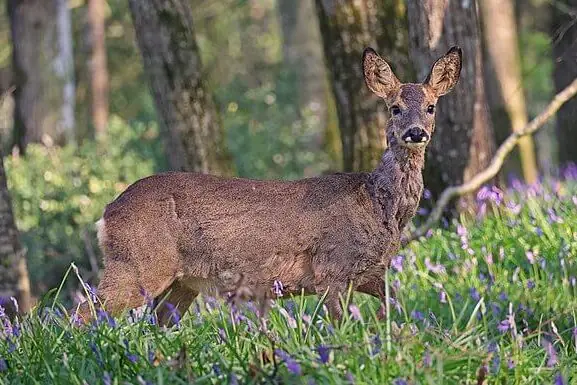
- Roe deer
- Fallow deer
- Sika deer
- Muntjac deer
- Chinese water deer
Of these, red deer and roe deer are considered the only truly native species.
Farmers and Land Managers Support Stronger Deer Control
Many land managers say deer numbers have surged since the COVID-19 lockdowns, increasing damage to farmland and forestry.
At the Elveden estate in Suffolk, estate manager Andrew Blenkiron says deer populations have “rocketed” in recent years. Smaller species like muntjac reproduce quickly and are particularly difficult to control.
“Carrots are a real focus for them. They even dig potatoes up, believe it or not. The big red deer dig potatoes out of the ground,” he explained.
The estate estimates up to £100,000 in annual crop losses due to deer damage.
However, venison from culled animals is not wasted. Locally sourced deer meat from the estate is sold nearby and even supplied to a local primary school.
Animal Welfare Groups Question Culling Strategy
Not everyone agrees that culling is the best long-term solution.
The animal rights organisation People for the Ethical Treatment of Animals argues that widespread culling is inhumane and unlikely to solve deer overpopulation permanently.
“Removing deer from the landscape doesn’t stop their numbers from rebounding, and, in many cases, a temporary reduction in population leaves more food available per animal, which can increase breeding rates in the survivors,” a spokeswoman said.
Instead, the group suggests alternative approaches, including:
- Habitat management
- Wildlife fencing
- Reducing access to artificial food sources
Growing Interest in Venison as a Sustainable Food Source
The government also wants to expand the UK market for venison, encouraging public institutions such as schools, prisons and hospitals to use locally sourced deer meat.
Charity initiatives are already using culled deer to tackle food insecurity. The Country Food Trust distributes venison meals to around 1,500 food banks, homeless shelters and community kitchens across the UK.
Chief executive SJ Hunt says expanding the domestic venison market could help ensure culled deer benefit local communities while reducing food waste.
Venison is widely considered a lean, high-protein meat with lower cholesterol than many conventional meats, making it an attractive sustainable food option.
At Natural World Fund, we believe responsible wildlife management is essential for protecting the health of Britain’s ecosystems. Rapidly growing deer populations can place significant pressure on woodlands, farmland and young tree planting, preventing forests from regenerating and reducing habitat for many other species. Addressing these challenges requires a balanced approach that considers biodiversity, animal welfare and the needs of rural communities. By supporting sustainable land management, restoring native habitats and promoting the responsible use of natural resources such as locally sourced venison, we can help ensure that the UK’s landscapes remain healthy, resilient and rich in wildlife for generations to come.
Image sources
- Deer_on_the_road,_Glencarse_-_geograph.org.uk_-_6873704 (2): Wikipedia Commons
- Roe_deer_in_woodland(1): Wikipedia Commons