

Waitrose Suspends Mackerel Sales Over Overfishing Concerns
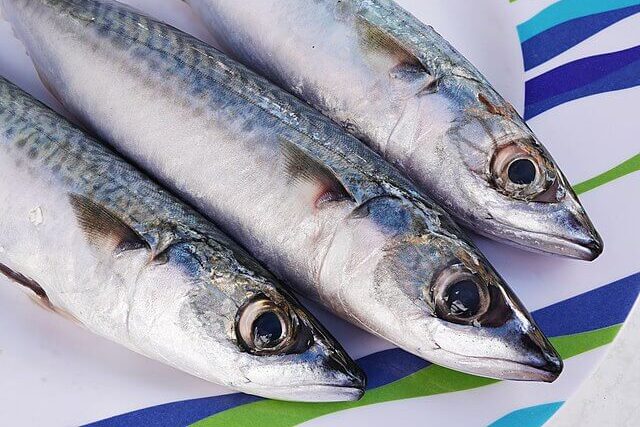
UK supermarket Waitrose & Partners has announced it will suspend the sale of mackerel products due to growing concerns about overfishing in the North East Atlantic.
The retailer confirmed that all fresh, chilled and frozen mackerel products will be removed from shelves by 29 April, while tinned mackerel will disappear once existing stock runs out. Waitrose says it will only reintroduce the fish when supplies meet its responsible sourcing standards.
The decision makes Waitrose the first UK supermarket to halt mackerel sales over sustainability concerns.
Why North East Atlantic Mackerel Is Under Threat
According to scientists at the International Council for the Exploration of the Sea, mackerel stocks in the North East Atlantic have been overfished in recent years.
The main cause is a lack of coordinated international fishing quotas between major fishing nations. Without agreed limits, too many fish are being caught, preventing populations from reproducing at a rate high enough to replace those harvested.
Mackerel is one of the most heavily fished species in UK waters, with British vessels landing over 230,000 tonnes in 2024, making it the largest fish catch by volume.
International Efforts to Reduce Mackerel Fishing
In December, the United Kingdom, Norway, the Faroe Islands, and Iceland agreed to cut their mackerel catches by 48%.
However, Waitrose stated the reduction does not go far enough to ensure long-term sustainability. The company sources all its mackerel from Scottish waters but said that from May 2026, North East Atlantic mackerel would no longer meet its responsible sourcing requirements.
Jake Pickering, head of agriculture, aquaculture and fisheries at Waitrose, said: “By suspending sourcing of mackerel at Waitrose, we are reinforcing our ethical and sustainable business commitments, acting to tackle overfishing and protect the long-term health of our oceans and this crucial fish.”

Waitrose Introduces Sustainable Seafood Alternatives
Owned by the John Lewis Partnership, Waitrose plans to replace mackerel products with responsibly sourced alternatives.
All replacement seafood products will carry certification from the Marine Stewardship Council, which recognises fisheries that meet strict sustainability standards.
The retailer says the move aims to protect fish stocks and encourage more responsible fishing practices.
Conservation Groups Welcome the Decision
Environmental organisations have praised the supermarket’s stance.
The Marine Conservation Society described the decision as “leading and decisive”.
Kerry Lyne, its Good Fish Guide manager, said: “To keep favourites like mackerel on the menu, we need support right across the supply chain with fishing kept within sustainable limits.”
Charles Clover, co-founder of the Blue Marine Foundation, warned that overfishing has become a global crisis that has been ignored for too long.
“We hope that this action by Waitrose sends it to the top of the political agenda,” he said.
Many conservation groups are now calling on other UK supermarkets to follow Waitrose’s example in order to protect declining fish populations.
Scottish Fishing Industry Reacts
Not everyone has welcomed the announcement. The majority of the UK’s mackerel fishing industry is based in Scotland, where the decision has been met with concern.
Ian Gatt, chief executive of the Scottish Pelagic Fishermen’s Association, criticised the timing of the move. He argued that international negotiations over fishing quotas are already making progress, suggesting the suspension could harm fishermen while discussions continue.
At Natural World Fund, we believe protecting our oceans means tackling the growing threat of overfishing as well as climate change. Unsustainable fishing practices can place enormous pressure on marine ecosystems, threatening species such as North East Atlantic mackerel and the wider food web that depends on healthy fish populations. By supporting sustainable fisheries, responsible sourcing, and stronger protections for marine life, we can help ensure our seas remain productive and resilient for generations to come.
Image sources
- The_New_Waitrose_Store_Worcester_(2)_-_geograph.org.uk_-_5042112 (1): Wikipedia Commons
- Atlantic_mackerel_(Scomber_scombrus) (1): Wikipedia Commons