

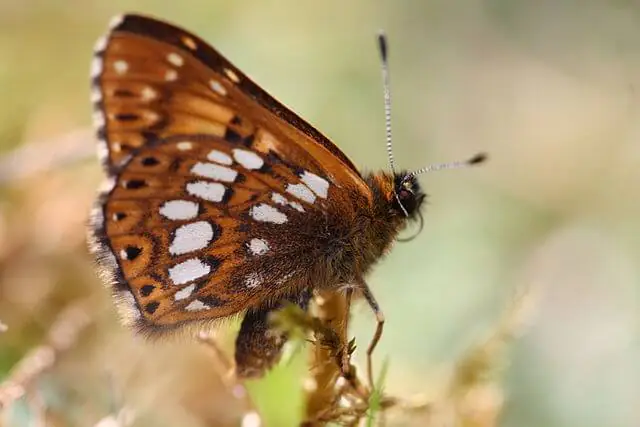
Restoring Habitat for the Rare Duke of Burgundy Butterfly
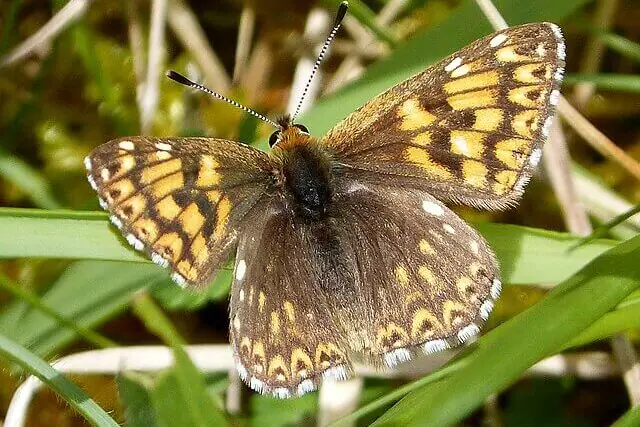
A farming family in Wiltshire is leading an ambitious conservation project to increase populations of the rare Duke of Burgundy butterfly, one of the UK’s most threatened species.
The Duke of Burgundy butterfly has experienced a significant decline across the UK in recent decades. Conservation experts warn that urgent and sustained action is essential to prevent further losses. Once widespread, the species is now restricted to limited areas of England.
A Regenerative Farming Approach at Red House Farm
At Red House Farm, located on the edge of Cranborne Chase in Wiltshire, farmers Sonja and Perin Dineley are transforming their land through a large-scale habitat restoration scheme.
After 25 years of farming the land, the Dineleys describe parts of the farm as previously “tired.” Through this initiative, they aim to restore biodiversity while ensuring the farm remains productive and sustainable for future generations.
56 Hectares Dedicated to Wildlife Recovery
The 56-hectare project will convert farmland into a thriving habitat designed to support the Duke of Burgundy butterfly and other native species.
Working in partnership with Greenshank Environmental and Restore Nature, the project will deliver:
- Planting of over 2,600 native trees
- Creation and restoration of calcareous, neutral, and acid grasslands
- Development of scrub and woodland habitats
- Enhanced pasture management for biodiversity
Long-Term Conservation Through Legal Protection
The habitat improvements will be secured through a 30-year legally binding management and monitoring plan, established via a Section 106 agreement with Wiltshire Council. This ensures lasting environmental benefits and ongoing stewardship of the land.
Beyond butterflies, the Stonehill Habitat Bank will provide vital habitat for a range of declining species, including:
- Harvest mice
- Owls
- Other farmland wildlife
This holistic approach helps strengthen entire ecosystems, not just a single species.
Connecting People with Nature
To encourage public engagement, informative signage will be installed along public footpaths across the site. Visitors and walkers will be able to learn more about the wildlife being restored and the importance of habitat conservation.
This project demonstrates how nature recovery and farming can work hand in hand, creating resilient landscapes that benefit wildlife, local communities, and future generations.
At Natural World Fund, we believe protecting nature means restoring the habitats that species depend on to survive. The decline of butterflies like the Duke of Burgundy highlights the urgent need for landscape-scale conservation and sustainable land management. By supporting habitat restoration, biodiversity-friendly farming, and long-term stewardship, we can help rebuild resilient ecosystems and ensure our countryside thrives for generations to come.
Image sources
- Hamearis_lucina_-_Flickr_-_gailhampshire (1): Wikipedia Commons
- Duke_of_Burgundy_(7190250624) (1): Wikipedia Commons