

Why Garden Caterpillars Matter for UK Wildlife
As spring arrives across the UK, gardens burst into life—but so do hungry caterpillars. While many gardeners see them as pests chewing through cabbages and ornamentals, these tiny creatures play a vital role in supporting biodiversity.
Conservation organisations like the Royal Horticultural Society (RHS) and The Wildlife Trusts are encouraging a shift in mindset: instead of removing caterpillars, gardeners should learn to coexist with them to help protect declining moth populations.
The Decline of Moths in the UK
Moths are under serious threat. Of the UK’s 2,500 species, populations have fallen by around 33% since the 1960s. This decline is driven by habitat loss, climate change, and pollution.
Helen Bostock, a senior wildlife expert at the RHS, said: “Moths have long played second fiddle to butterflies in the garden but understanding their value and needs, and that of their very hungry caterpillars, can support their recovery and help in creating a garden rich in biodiversity.”
Protecting caterpillars is essential because they are the larval stage of moths. Supporting them in your garden can make a meaningful difference to reversing biodiversity loss.
Why Caterpillars Are Essential for Your Garden Ecosystem
Caterpillars are more than just leaf-eaters—they are a crucial food source for birds, mammals, and beneficial insects. Without them, many other species in your garden would struggle to survive.
By allowing caterpillars to thrive, you’re helping to create a balanced, wildlife-friendly garden that supports the wider ecosystem.
How to Manage Caterpillars Without Harmful Chemicals
If caterpillars are damaging prized plants, the RHS recommends eco-friendly, pesticide-free solutions:
- Hand-picking caterpillars and relocating them
- Using physical barriers like netting
- Pruning affected areas
These methods protect your plants while still supporting wildlife.
Vicki Hird, an insect expert at The Wildlife Trusts, said: “Moths are stunning in name and beautiful by nature. The green, black and white merveille du jour looks as if it’s been exquisitely painted by an artist, and the white ermine appears to be causally draped in a black-spotted cloak with a warm fur ruff.
“It’s no wonder the French call moths ‘butterflies of the night’. Even little brown moths can have wonderful, intricate markings. Making a simple moth trap is a wonderful way of enjoying these incredible creatures up close before releasing it back into the wild.”
Appreciating the Diversity of Caterpillars
Not all caterpillars behave the same. Some species feed widely across plants, while others specialise in specific varieties. They also vary in appearance—some are bright green and easy to spot, while others are cleverly camouflaged to resemble twigs, bark, or even bird droppings.
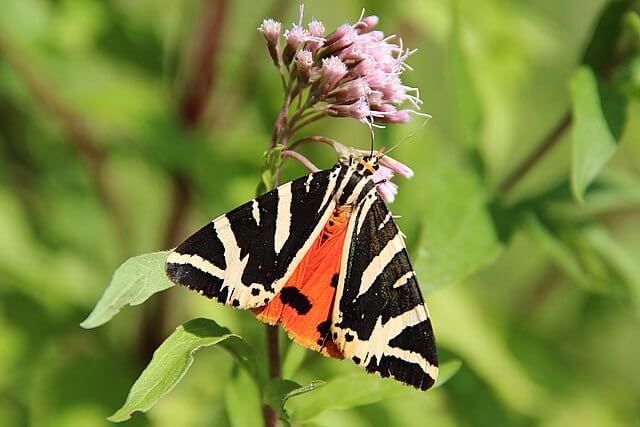
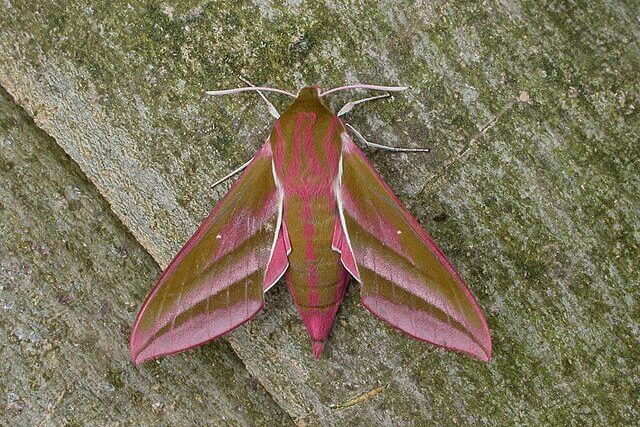
With time, these caterpillars transform into beautiful moths, such as the striking elephant hawk moth, the wasp-like hornet moth, and the colourful Jersey tiger moth, which is becoming more common in the UK as temperatures rise.
Creating a Caterpillar-Friendly Garden
To support caterpillars and the moths they become, gardeners are encouraged to plant a variety of native trees and flowers, including:
- Willow
- Honeysuckle
- Foxgloves
- Verbascum
- Comfrey
- Marjoram
- Bedstraw
- Sweet William
- Sweet rocket
- Tobacco plant
- Jasmine
- White campion
Providing these plants creates essential habitats and food sources for a wide range of species.
Embrace a Wildlife-Friendly Approach
Caterpillars need significant energy to transform into moths, which means some level of plant damage is natural. By accepting a little “nibbling” in your garden, you are actively supporting UK wildlife and helping to restore declining moth populations.
A wildlife-friendly garden isn’t about perfection—it’s about balance.
At Natural World Fund, we believe that supporting nature starts in our own gardens. By creating spaces where caterpillars can feed and develop, we help protect the moths they become—and the wider wildlife that depends on them. With moth populations in decline, small actions like planting native species and reducing pesticide use can make a meaningful difference. Together, through wildlife-friendly gardening and habitat restoration, we can help rebuild healthier, more resilient ecosystems across the UK for generations to come.
Image sources
- 640px-69.016_BF1991_Elephant_Hawk-moth,_Deilephila_elpenor_(3123099728) (1): Wikipedia Commons
- Jersey Tiger Moth: Wikipedia Commons