

Portugal Fined €10m for Failing to Protect Biodiversity
Portugal has been fined €10 million (£8.7 million) by the EU’s Court of Justice for failing to comply with environmental laws designed to protect biodiversity. In addition to the lump sum, the country must pay €41,250 per day until it meets its legal obligations.
The court imposed the maximum possible penalty to push Portugal to take urgent action and end ongoing breaches of EU nature protection laws.
Daily Fines Linked to Unprotected Conservation Sites
The daily penalty reflects continued failures across multiple protected areas. The court found that 55 sites remain inadequately protected, despite earlier rulings.
Each site accounts for €750 of the daily fine, meaning the total penalty will gradually decrease as Portugal brings individual locations into compliance.
The court said in a statement: “The court considers that these are particularly serious infringements of EU environmental law, in which Portugal has persisted.
“Given that Portugal’s territory hosts rich biodiversity, including 99 habitat types and 335 species covered by the habitats directive, what is at stake for the European Union’s common heritage there is especially important.
“In view of this, as well as the considerable duration of the infringement and Portugal’s capacity to pay, the court sets the amount of the lump sum at €10m.”
The case stems from a prolonged legal battle between Portugal and the European Commission. At its core is the EU Habitats Directive, which requires member states to safeguard important ecosystems and species.
In 2019, the court ruled that Portugal had failed to designate key conservation areas as Special Areas of Conservation (SACs), despite a legal requirement to do so within six years.
Key Protected Areas Still at Risk
Several ecologically significant sites remain insufficiently protected, including:
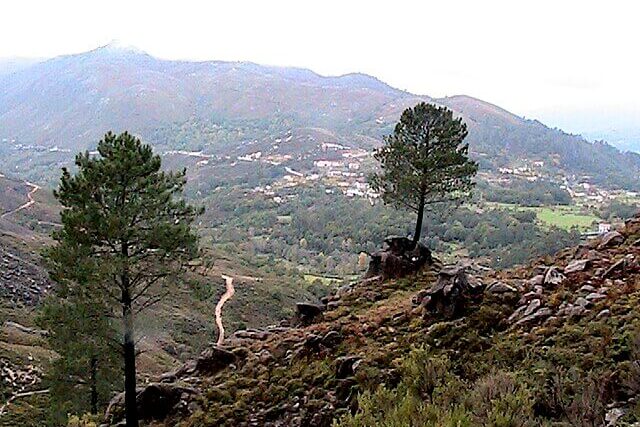
- Peneda-Gerês National Park, Portugal’s only national park
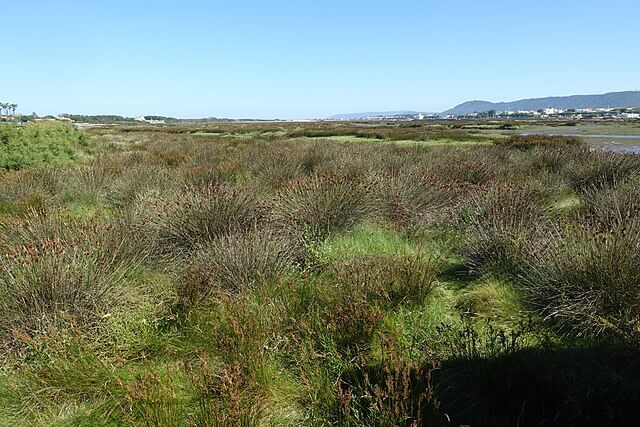
- Litoral Norte Natural Park
- The Minho and Lima river ecosystems
- Valongo, home to rare fern species and the golden-striped salamander
- Serra d’Arga mountain range
- Corno do Bico protected landscape
These areas are recognised as being of “community importance” within the Atlantic biogeographic region and are critical for preserving Europe’s biodiversity.
Missed Deadlines and Ongoing Non-Compliance
EU law required Portugal to formally designate and protect these sites, alongside implementing conservation measures for vulnerable habitats and species.
However, the court found that 61 areas across both Atlantic and Mediterranean regions had not been properly designated, highlighting years of non-compliance.
The Portuguese government acknowledged that the case spans decades and multiple administrations. Officials stated that, as of April last year, an accelerated legislative process has been introduced to speed up the designation of protected areas and the implementation of management plans.
“Very little remains to be done for the work to be completed and for Portugal to fully comply with the obligations arising from the habitats directive.”
Why Strong Nature Protection Laws Matter
This case highlights the importance of enforcing environmental laws to safeguard biodiversity. Without proper protection and management, vital habitats and species remain at risk.
Ensuring countries meet conservation commitments is essential for preserving ecosystems, tackling biodiversity loss, and maintaining the natural heritage of Europe.
At Natural World Fund, we believe strong environmental protections are essential to safeguarding the habitats wildlife depends on. Cases like this highlight the importance of not only creating conservation laws, but enforcing them effectively to protect vulnerable species and ecosystems. By supporting habitat restoration, sustainable land management, and long-term stewardship, we can help ensure vital landscapes are properly protected and restored—both in the UK and across Europe—for generations to come.
Image sources
- Parque_Natural_do_Litoral_Norte_(3) (1): Wikipedia Commons
- Peneda-Gerês_National_Park,_Portugal_(5145019935) (1): Wikipedia Commons