

Lost for 6,000 Years: “Extinct” Marsupials Rediscovered in West Papua Rainforest
In a groundbreaking scientific discovery, researchers led by Australian scientist Tim Flannery have confirmed that two rare marsupial species—believed extinct for over 6,000 years—are still alive in the remote rainforests of West Papua. This remarkable finding sheds new light on biodiversity in New Guinea and highlights the urgent need for rainforest conservation.
The rediscovered animals are examples of Lazarus taxa, a term used in palaeontology for species that disappear from the fossil record for thousands—or even millions—of years, only to be found alive later. Such discoveries are exceptionally rare and provide valuable insights into evolution, extinction, and survival.
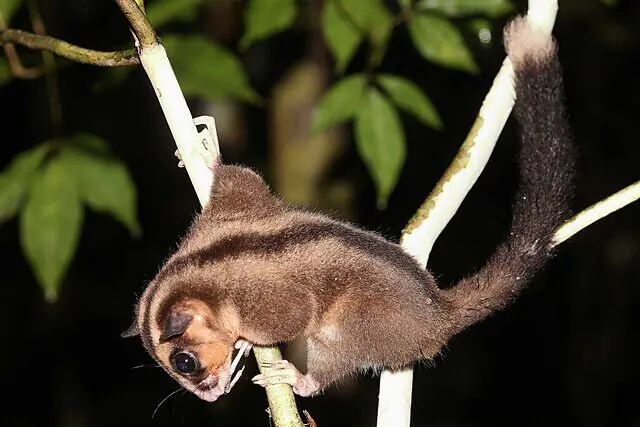
The Pygmy Long-Fingered Possum: A Unique Evolutionary Survivor
One of the rediscovered species is the pygmy long-fingered possum (Dactylonax kambuayai), a fascinating marsupial with a highly specialised adaptation:
- An unusually elongated fourth finger—twice the length of the others
- Used to extract wood-boring insect larvae from trees
- Previously thought to have vanished during the Ice Age
Fossil evidence had placed this species in central Queensland around 300,000 years ago, with its last known presence in West Papua about 6,000 years ago—until now.
The Ring-Tailed Glider: A Newly Classified Marsupial Genus
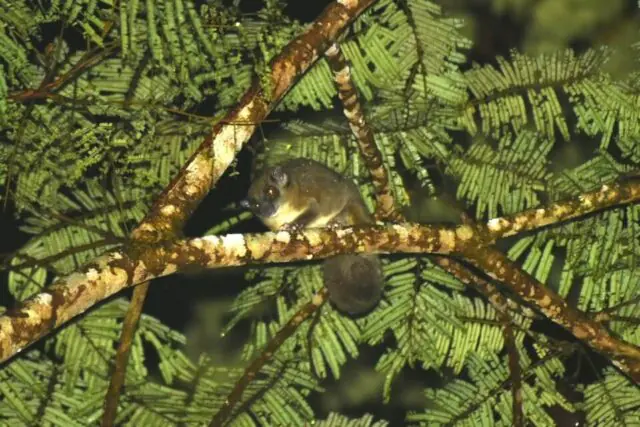
The second species, the ring-tailed glider (Tous ayamaruensis), is equally remarkable:
- Closely related to the Australian greater glider
- Features unfurred ears and a strong, prehensile tail for gripping
- Recently identified as part of a new marsupial genus
Originally described by zoologist Ken Aplin, this species was known only from fossil fragments until living populations were confirmed in the wild.
This marks the first new genus of New Guinean marsupial discovered since 1937, making it a significant milestone in mammalogy.
Where Were These “Extinct” Species Found?
Both species inhabit the dense, lowland mountain forests of the Bird’s Head Peninsula (also known as the Vogelkop) in north-western New Guinea. This region is one of the most biologically rich and least explored ecosystems on Earth.
The rediscovery was made possible through a combination of:
- Field photography by local and international researchers
- Analysis of fossil fragments
- Re-examination of museum specimens (including one misidentified since 1992)
Notably:
- The possum was photographed in 2022
- The glider was first captured on camera in 2015
These findings were later published in a special edition of a peer-reviewed journal by the Australian Museum.
Indigenous Knowledge and Conservation Efforts
The research would not have been possible without collaboration with Indigenous communities. Local knowledge played a crucial role in locating and identifying these elusive animals.
For some Vogelkop clans, the ring-tailed glider holds spiritual significance and is believed to represent ancestral spirits. Co-author Rika Korain emphasised that traditional custodians were essential to the success of the study.
Why This Discovery Matters for Conservation
According to Tim Flannery, the likelihood of rediscovering even one such species was “almost zero”—making this dual discovery extraordinary.
The chances of finding two? “It’s unprecedented and groundbreaking, really, to find two Lazarus taxa,” Flannery says.
“We’ve been able to finalise two pieces of work that are incredibly important from a biological and a conservation perspective, documenting the existence of rare marsupials in an area under threat,” Flannery says. “It’s sort of a crowning glory in my career as a biologist.”
More importantly, it underscores:
- The ecological importance of West Papua’s rainforests
- The need to protect habitats from logging and industrial development
- The value of Indigenous-led conservation
Ongoing work with organisations like the Minderoo Foundation and local universities aims to preserve these critical ecosystems for future generations.
A Window Into Earth’s Ancient Past
This discovery also supports the theory that the Vogelkop region was once connected to the Australian continent, offering new insights into the evolutionary history of marsupials.
As ecologist David Lindenmayer described it, the findings are simply “amazing stuff”—a rare glimpse into a prehistoric world still alive today.
“It’s fantastic to see new species still being discovered and it shows the importance of some of these rainforests in very remote parts of the world where there hasn’t been much study in the past. I think it’s quite remarkable,” he says.
“Its forests may shelter yet more hidden relics of a past Australia,” he says.
At Natural World Fund, discoveries like this remind us that some of the world’s most extraordinary wildlife still survives in fragile, little-protected ecosystems. Protecting these habitats—especially biodiverse rainforests like those of West Papua—is critical to ensuring species once thought lost are not lost again. By supporting Indigenous-led conservation, preventing deforestation, and promoting long-term stewardship of natural landscapes, we can help safeguard these hidden ecosystems and the remarkable species they sustain—for generations to come.
Image sources
- the ring-tailed glider (1): Wikipedia Commons
- pygmy long-fingered possum: Wikipedia Commons