

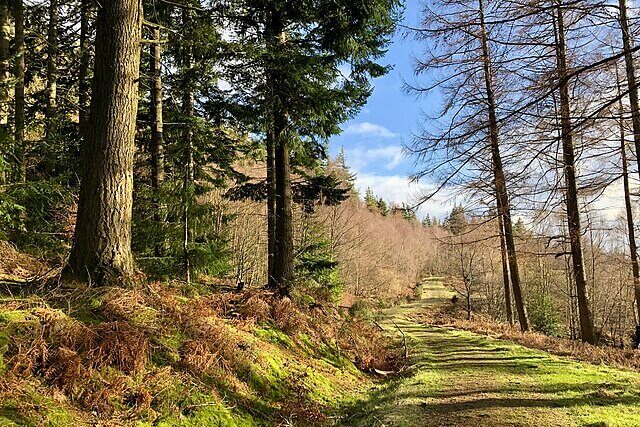
Nearly 75% of England’s Woodlands Remain Closed to the Public
Government research reveals significant barriers to accessing nature, with campaigners demanding urgent action on right-to-roam legislation.
Buried government documents have revealed that nearly three-quarters of England’s woodlands are off-limits to the public. The study, conducted by Forest Research—a government-funded agency—found that 73% of English woodland is publicly inaccessible.
The research also uncovered that more than a third of ancient trees recorded in the Woodland Trust’s inventory cannot be visited without trespassing. These ancient trees, some over 1,000 years old, represent irreplaceable natural heritage that most people will never see.
Why is Public access to woodlands in England Restricted
Many woodlands remain inaccessible because they serve commercial interests, including:
- Pheasant shoots and game estates
- Timber plantations
- Private landowner restrictions
The Woodland Trust has long campaigned for greater awareness of ancient trees, yet a significant proportion exist on land where public access would constitute trespassing.
Right-to-Roam Campaign Gains Momentum
Conservation campaigners are demanding the government introduce a right-to-roam bill granting responsible public access to the countryside.
While in opposition, the Labour party committed to Scottish-style right-to-roam legislation, which allows anyone to walk through the countryside provided they leave no trace and avoid disturbing farmland. However, following lobbying from landowner groups, the party reversed this commitment.
Instead, the government announced plans to create nine river walks and three national forests—measures campaigners argue fall far short of addressing the access problem.
Right to Roam’s Guy Shrubsole said: “If you go down to the woods today, you’re in for a big surprise – most of them are closed to the public.
“It’s appalling that three-quarters of all the woodland in England is inaccessible. Everyone loves trees, but thousands of woods are off-limits simply because of corporate logging interests or due to a landowner using their woods for pheasant shooting.
“We need the government to fix this by introducing a new right-to-roam bill in the next king’s speech this May, and give the people the right to walk in our own woods.”
Mass Trespasses Planned Across England
The Right to Roam campaign has announced a series of mass trespasses in woodlands throughout England during March and April 2025. These events see dozens of participants gather for organised walks and picnics on land normally closed to the public.
Previous mass trespasses have taken place:
- In woods owned by a duke
- Around reservoirs
- On the grounds of a former Conservative minister’s country estate
Planned locations include Suffolk, Norwich, West Yorkshire, and Somerset.
The 15-Minute Nature Target
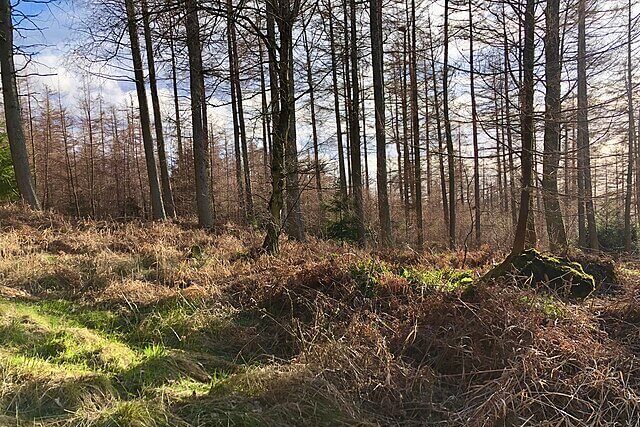
The government has set an ambition for everyone in England to live within a 15-minute walk of accessible green or blue spaces. Currently, significant areas of the country fail to meet this standard, with some communities having no accessible nature nearby.
Campaigners warn that planning deregulation for housing and infrastructure could erode available green space, particularly affecting less affluent urban communities. New legislation may allow developers to build on previously protected green spaces without offsetting the loss of nature in surrounding areas.
Health Impacts of Nature Deprivation
Limited access to nature carries serious implications for physical and mental health. Research demonstrates that living near parks or natural green spaces reduces anxiety and depression by around 20%.
Studies from the Covid-19 lockdowns found that people living more than 800 metres from green spaces reported significantly lower wellbeing levels. As homes in nature-rich areas become increasingly unaffordable for younger buyers, there is growing concern that health inequalities are deepening.
A spokesperson for the Department for Environment, Food and Rural Affairs said: “Our countryside and green spaces are a source of great national pride. This government recognises the importance of access to nature and is already taking steps to increase it.”
At Natural World Fund, we believe that ensuring responsible public access allows communities to connect with nature, benefiting health, wellbeing, and future generations.
If you care about restoring native wildlife in the UK, support the work of Natural World Fund today.
Image sources
- Larches,_Hepburn_Wood_-_geograph.org.uk_-_8259644 (1): Wikipedia Commons
- Forest_road,_Hepburn_Wood_-_geograph.org.uk_-_8259403 (1): Wikipedia Commons