

Restoring Dartmoor’s Peat Bogs: A Vital Climate and Nature Solution
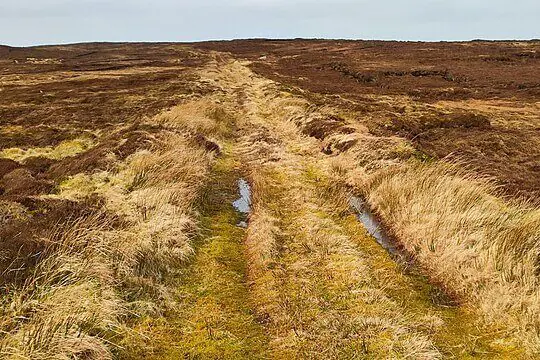
At one of the most remote locations in southern England, near Fur Tor, conservation worker Al West carefully operates a small digger with precision. Like a mechanical hand, the machine lifts and replaces turf onto the rich peat soil beneath, helping to restore the fragile blanket bog landscape of Dartmoor.
This delicate, repetitive work is essential for repairing one of the UK’s most important natural habitats.
What Is Peatland Restoration and Why Does It Matter?
Peatlands are a type of wetland formed by layers of partially decomposed plant material in waterlogged conditions. Found across the globe, they are one of the most valuable ecosystems on Earth.
Healthy peat bogs:
- Store twice as much carbon as all the world’s forests
- Improve water quality
- Reduce flood risk
- Support rare wildlife and biodiversity
However, when damaged, peatlands release large amounts of carbon dioxide, contributing significantly to climate change.
The Impact of Human Activity on Dartmoor’s Peatlands
Over centuries, human activity has severely degraded Dartmoor’s 8,500 hectares of blanket bog. Activities such as:
- Tin mining
- Agricultural drainage
- Deforestation
- Moorland burning
- Military training
have scarred the landscape with gullies and ditches. These channels allow rainwater to drain away, drying out the peat, causing it to crack, collapse, and release stored carbon.
Today, around 80% of UK peatlands are damaged, turning what should be a major carbon store into a source of greenhouse gas emissions.
How Peatland Restoration Works
Peatland restoration focuses on rewetting the land and restoring its natural shape. On Dartmoor, this involves:
- Building peat embankments across gullies
- Blocking drainage channels
- Raising the water table
- Encouraging vegetation regrowth
By slowing water flow, these techniques allow the bog to retain moisture and begin healing naturally.
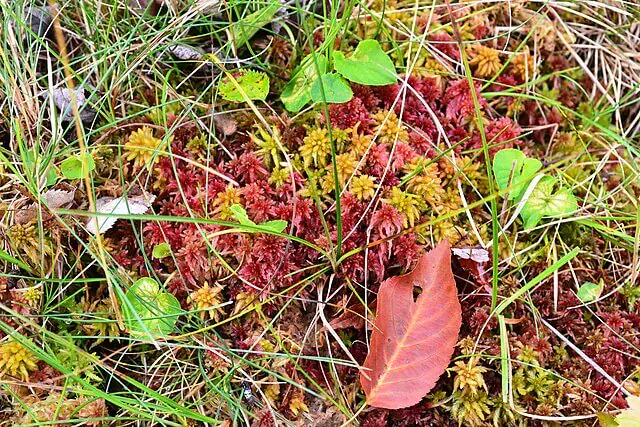
Over time, pools form and become colonised by sphagnum moss, a key species in peat formation. This process gradually rebuilds the peat layer and restores the ecosystem.
“It is my second season doing this restoration work,” said West. “I have driven a digger for 40-odd years, and I farmed until four years ago as a commoner. I feel like I am making history – I am helping the environment that is part of the life cycle.”
Morag Angus, the manager of the South West Peatland Partnership, said the peat bogs had been degraded over centuries in a series of human interventions.
“This has happened over huge timeframes, ever since humans have been here really,” she said. “Peatland is a degrading system now and it will continue to degrade without the restoration work we are doing.”
A Landscape-Scale Conservation Effort
Large-scale restoration is already underway across south west England, including:
- Dartmoor
- Exmoor
- Bodmin Moor
- West Penwith
Over the past 17 years, more than 5,000 hectares of peatland have been restored.
The South West Peatland Partnership, supported by organisations like Natural England and National Trust, has led a £13 million project restoring 1,700 hectares in just four years.
Why Peatlands Are Critical for Climate Change
Globally, around 15% of peatlands have been drained, releasing vast amounts of greenhouse gases. These emissions account for roughly 10% of annual fossil fuel emissions.
In the UK alone, peatlands contribute at least 3.5% of total greenhouse gas emissions due to degradation.
According to the Committee on Climate Change, restoring peatlands is essential to meeting national climate targets, with goals to restore:
- 50% of upland peatlands
- 25% of lowland peatlands
by 2050
Peat bogs are not just carbon stores—they are living archives. On Dartmoor, peat forms at a rate of just 1mm per year, meaning the deepest bogs preserve up to 9,000 years of environmental history.
These layers contain valuable archaeological records, including evidence of ancient tin mining dating back to the Bronze Age. Restoration work must carefully protect these irreplaceable records.
Encouragingly, restoration is already delivering visible results. Species such as dragonflies are returning in greater numbers, signalling ecosystem recovery.
As noted by conservation experts, dragonflies play a crucial role in the food chain, supporting birds and mammals across the moor. Their return marks an important step in restoring biodiversity.
The Urgent Need to Scale Up Restoration
Research from Exeter University highlights the urgent need to accelerate peatland restoration efforts. Key at-risk areas include:
- Dartmoor
- Flow Country
- Peak District
With climate change bringing warmer, drier conditions, these ecosystems face an uncertain future without intervention.
“We are a canary in the coalmine for the rest of the UK,” said Justine Read, a communications officer for the South West Peatland Partnership. “What happens to UK peatlands over the next 15 to 20 years will impact the peatland in the Peak District and Scotland, but it is going to hit the south-west first.
“Unless this restoration work is done, this blanket bog on top of the hill here will really struggle to form and we will not see it past 2060. What we are trying to do is make the peatland as resilient as we can now, so it can face what is coming.”
Restoring Nature, One Step at a Time
For workers like Al West, peatland restoration is both a personal mission and a long-term commitment to nature. While the scale of the challenge is vast, every embankment built and every pool restored contributes to a healthier landscape.
Peatland restoration is not just about repairing the past—it’s about safeguarding the future of our climate, water, and wildlife.
“I just keep going every day that I am here,” he said. “Bit by bit, every little helps. If we keep this up, year on year, we will be over the next valley, then over the next valley. It is quite remarkable what you can do in 12 months if you just keep going.”
At Natural World Fund, we believe the peatland crisis is a climate and nature crisis. The degradation of our peat bogs is releasing carbon, damaging wildlife habitats, and weakening natural flood protection. Urgent restoration and long-term investment are essential to protect these vital landscapes and secure a healthier future for nature, climate, and communities.
If you care about restoring native wildlife in the UK, support the work of Natural World Fund today.
Image sources
- GH_Sphagnum_moss_(20009405444) (1): Wikipedia Commons
- Peatland_Track_-_geograph.org.uk_-_7159854 (1): Wikipedia Commons