

Swifts in the UK: Why These Remarkable Birds Need Our Help
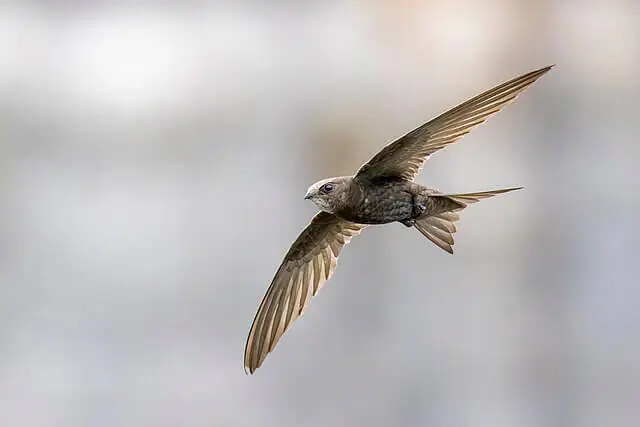
The Common swift is one of nature’s most extraordinary endurance flyers. Spending up to nine months in the air, swifts travel an incredible 14,000 miles each year between sub-Saharan Africa and the UK. Their high-pitched “screaming” calls and acrobatic flight mark the arrival of summer—and their departure signals its end.
Graceful, fast, and almost constantly airborne, swifts captivate anyone lucky enough to watch them. It’s no surprise they hold a special place in the hearts of wildlife lovers across Britain.
Why Are Swift Populations Declining?
Despite their resilience, UK swift populations are in serious decline. Between 1995 and 2023, numbers dropped by around 68%, making them a conservation priority.
Loss of Nesting Sites
One of the biggest threats is the disappearance of traditional nesting spaces. Swifts rely on small gaps in buildings—under eaves, in roofs, and within walls. Modern construction and renovation methods have sealed these entry points, leaving swifts with fewer places to breed.
Declining Insect Populations
Swifts feed exclusively on flying insects. As insect numbers fall due to habitat loss, pesticides, and climate change, swifts struggle to find enough food—especially during breeding season.
Climate Change and Weather Extremes
Unpredictable weather, including prolonged rain and cold snaps, reduces insect availability and impacts breeding success. Increasing climate instability is likely to make these challenges worse.
How You Can Help Swifts in the UK
Protecting swifts doesn’t require specialist knowledge—small actions can make a big difference.
1. Become a Swift Spotter
Recording sightings helps conservationists track nesting sites and population trends. Look for swifts entering buildings or gathering in noisy “screaming parties” during summer evenings. Contributing your observations supports vital conservation work. You can help by using the RSPB Swift Mapper app and website.
2. Install Swift Bricks in Buildings
Swift bricks are built-in nesting spaces designed for new builds or renovations. They are:
- Low-cost and easy to install
- Long-lasting (“homes for life”)
- Highly effective for conservation
If you’re building or extending a property, including swift bricks is one of the simplest ways to support biodiversity.
3. Put Up Swift Nest Boxes
If retrofitting a building isn’t possible, nest boxes are a great alternative.
Tips for installation:
- Place at least 5 metres high
- Install under eaves with clear flight access
- Avoid direct sunlight and obstacles like trees or wires
- Install multiple boxes—swifts prefer nesting in groups
Swift Conservation has advice and templates on its website.
4. Be Patient and Wildlife-Friendly
Swifts may take a few years to discover new nesting spaces. In the meantime, other birds like house sparrows may move in—which is beneficial, as they also need conservation support.
5. Play Swift Calls to Attract Them
Broadcasting recorded swift calls during June and July can attract birds searching for nesting sites. This simple technique can significantly increase occupancy rates. Swift Conservation sells a CD or MP3 file that you can play from a windowsill during the season.
6. Protect Insects and Natural Habitats
A healthy insect population is essential for swifts.
You can help by:
- Planting nectar-rich flowers and native shrubs
- Creating wildlife-friendly gardens
- Supporting local green spaces and biodiversity initiatives
Plants like hawthorn, broom, and berry-producing shrubs are especially valuable. The RSPB has a wildlife gardening guide.
7. Join Local Swift Conservation Efforts
Community action is powerful. You can:
- Support local conservation groups
- Campaign for wildlife-friendly building policies
- Help create “swift streets” with multiple nest sites
Events like Swift Awareness Week are great opportunities to get involved.
8. Support Citizen Science Projects
Bird surveys and monitoring programmes provide crucial data for conservation. Taking part helps scientists understand population changes and plan effective action. The BTO website is a great place to start.
9. Help Grounded Swifts Safely
Young swifts sometimes fall during their first flight. Juveniles need the help of a swift carer, but if you find an adult bird with full-grown feathers,
- Gently place it on your hand and raise it high
- Allow it to take off naturally (never throw it)
- If it cannot fly, contact a wildlife rehabilitator
If that doesn’t work, contact a swift carer: there’s a list on the Swift Conservation site.
Enjoy Swifts While You Can
Swift season in the UK is brief but unforgettable. Their aerial displays are one of summer’s great natural spectacles. By taking simple steps to support them, you can help ensure future generations experience the same joy.
Protecting swifts isn’t just about saving a species—it’s about restoring the sound and life of our summer skies.
At Natural World Fund, we see the future of swifts as part of a wider mission to restore UK wildlife and create spaces where nature can thrive alongside people. Species like the Common swift depend on safe nesting sites and healthy insect populations to survive—and without collective action, their dramatic decline could continue. By supporting habitat-friendly development, protecting biodiversity, and empowering communities to take simple steps, we can help bring life and sound back to our summer skies.
If you care about restoring native wildlife in the UK, support the work of Natural World Fund today.
Image sources
- Common Swift Apus apus by AlexeySokolov1971. Cropped and resized from original: Wikipedia Commons
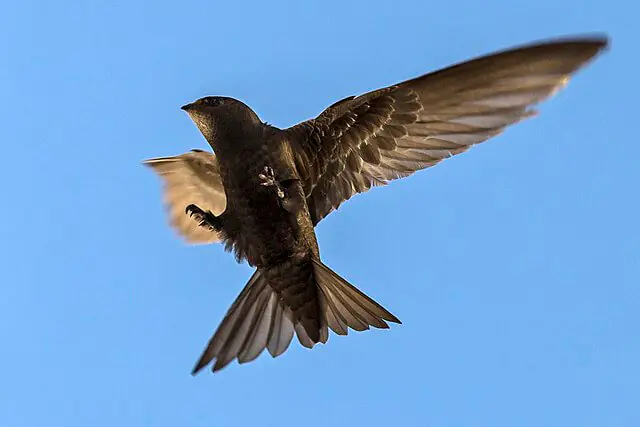
- Common_Swift_2025_07_18_02 by Alexis Lours. Cropped and resized from original: Wikipedia Commons