

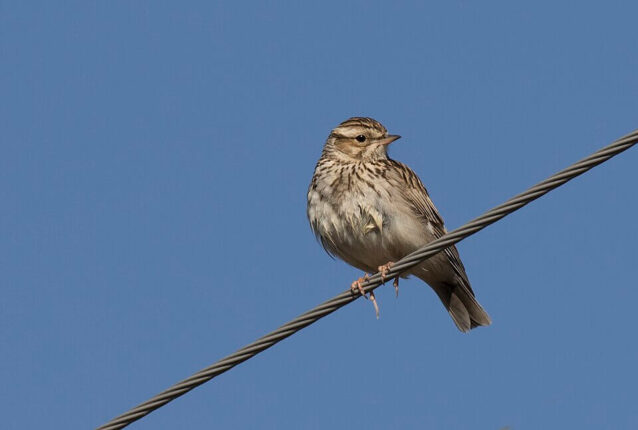
Protect Ground-Nesting Birds This Spring and Summer
The RSPB is urging the public to take simple but vital steps to protect vulnerable ground-nesting birds during the critical breeding season, which runs from March to September.
Phil Pearson, the charity’s senior conservation officer in Lincolnshire, said: “We could all play our part in this.”
Walkers and visitors to the countryside are being asked to keep a safe distance from nesting birds and follow clear guidance to minimise disturbance. Key advice includes:
- Stick to marked paths
- Keep dogs under close control
- Maintain at least 100 metres (328ft) distance from nesting areas
These small actions can make a significant difference in protecting fragile bird populations.
Why Ground-Nesting Birds Are at Risk
More than half of England’s most threatened breeding birds nest on or near the ground, making them especially vulnerable to disturbance. Species at risk include:
- Curlew
- Nightjar
- Stone-curlew
- Lapwing
Many of these birds are now on the UK conservation red list, reflecting severe population declines.
In areas like Lincolnshire, conservationists have already seen worrying losses. Populations of little terns and ringed plovers—both red-listed species—have declined significantly in recent years.
Without greater awareness and protection, these iconic birds face an uncertain future.
Responsible Dog Walking Matters
Dog owners play a crucial role in protecting wildlife. Following signage and keeping dogs on short leads near nesting areas helps prevent accidental disturbance, which can cause birds to abandon their nests.
“That’s for a particular reason, so where requested, if you could keep your dog on a short lead that would be brilliant,” he said.
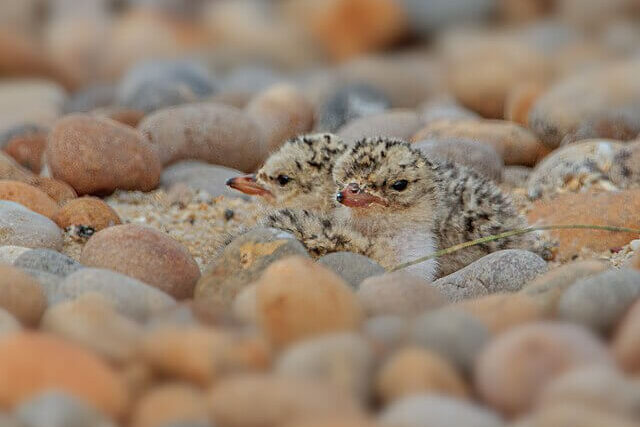
Spot the Signs of Nesting Birds
Being aware of bird behaviour can help you avoid disrupting nests. Look out for:
- Alarm calls or distressed bird activity
- Birds carrying food in their beaks
- Coastal species like little terns diving repeatedly
These are clear indicators that birds are nesting nearby.
“If you see any of those things, just give that area a wide berth, and that will just allow the birds to nest and the chicks to be kept safe,” said Pearson.
Why Disturbance Can Be Harmful
When adult birds are disturbed, it forces them to waste valuable energy and leave their nests unprotected. This can result in:
- Eggs becoming cold, affecting hatching success
- Increased risk from predators
- Reduced survival rates for chicks
“We just ask that people are a little bit careful when they’re out and about during the breeding season, just so that those birds that are nesting best chance of their eggs hatching and surviving,” added Pearson.
A Shared Responsibility to Protect Nature
By taking simple precautions, we can all help safeguard ground-nesting birds during their most vulnerable time. Protecting these species is essential to restoring biodiversity and ensuring the UK’s natural landscapes remain rich in wildlife for generations to come.
At Natural World Fund, we see the decline of ground-nesting birds as a clear sign that our natural spaces are under growing pressure. By promoting responsible access to the countryside, protecting sensitive habitats, and raising awareness during the breeding season, we can help safeguard species like curlews, lapwings, and little terns. With simple actions and collective effort, we can ensure a safer future for the UK’s most vulnerable wildlife.
If you care about restoring native wildlife in the UK, support the work of Natural World Fund today.
Image sources
- Little Tern chick, Hampshire, UK (49984019602) by Andy Morffew from Itchen Abbas, Hampshire, UK. Resized from original: Wikipedia Commons
- Alauda arvensis – Skylark – Tarlakuşu 01 by Zeynel Cebeci. Resized from original: Wikipedia Commons