

Most English River Bathing Sites Display Swimming Warnings Over Poor Water Quality
Warning signs advising people not to swim are now in place at almost all of England’s official inland river bathing sites due to concerns about unsafe water quality.
The development comes as the UK government announces six new river bathing sites that will be monitored for the first time during the summer season, including the first designated bathing site on the River Thames in London.
Most Inland River Bathing Sites Fail Water Quality Tests
Last year, all 14 existing inland river bathing locations were tested by the Environment Agency for contamination from bacteria associated with human and animal faeces.
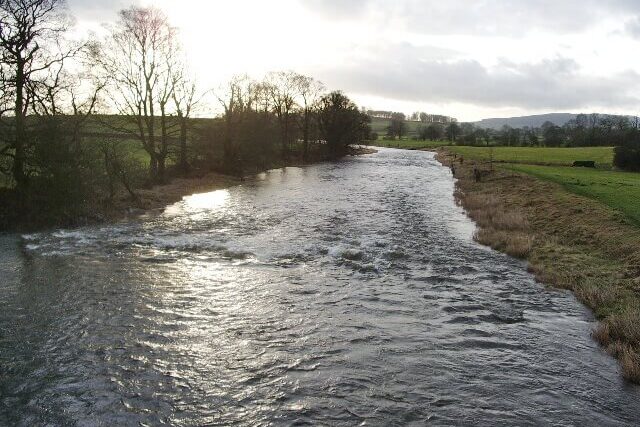
Only two sites achieved acceptable standards: the River Stour in Suffolk and a section of the River Thames in Oxfordshire. The remaining 12 locations were rated as “poor”, prompting advice that people should avoid swimming.
The six new inland river sites form part of 13 new bathing water designations across England. More than 460 locations are now regularly monitored by the Environment Agency. While most are coastal sites, the number of monitored freshwater lakes and rivers continues to increase.
Water quality results are published on a government website to help inform the public about bathing conditions.
Why River Bathing Designations Matter
To qualify as an official bathing water site, a location must meet specific requirements, including the number of people using the site for bathing and the availability of nearby facilities such as toilets.
Water quality at coastal locations is generally much better than in rivers. Inland waterways are often affected by sewage discharges, agricultural run-off and other sources of pollution.
Campaigners argue that obtaining bathing water status has become one of the most effective ways to force water companies to address sewage pollution and improve river health.
One campaigner described it as “bonkers” that turning a polluted river into a recognised swimming destination appears to be one of the best ways to secure environmental improvements.
Government Welcomes Expansion of Monitoring Programme
Announcing the new sites, Water Minister Emma Hardy said:
“The introduction of these new bathing sites means better monitoring of our waterways, a boost for local tourism, and greater confidence for local swimmers.”
However, water companies have expressed concerns about the growing number of designated bathing waters.
A spokesman for Water UK said:
“Designating an area as a bathing water before it is suitable for bathing and without a plan in place to clean it up risks confusing the public, who will rightly believe it is safe to swim there.”
River Wharfe: A Key Test Case for River Restoration
The River Wharfe at Ilkley in Yorkshire became England’s first designated river bathing site in 2020 and is widely seen as an important test case for improving river water quality.
“When it rains, there can be tens of thousands of E.coli units per 100ml,” Karen Shackleton from the Ilkley Clean River Group says.
E.coli is one of the bacteria monitored by the Environment Agency. Levels above 900 units per 100ml trigger official advice warning people not to enter the water.
Standing beside the river, fellow campaigner Di Leary points to a sewage overflow pipe across the water.
“We’re basically swimming in other people’s poo,” she says, before taking a quick dip.
Despite receiving a “poor” rating every year since designation, campaigners believe significant improvements may soon be achieved.
Yorkshire Water is currently delivering a £60 million investment programme aimed at reducing sewage discharges into the river.
Using Bathing Water Status to Drive Investment
Karen Shackleton explained that the campaign was never solely about promoting wild swimming.
“This wasn’t about wild swimming,” Karen Shackleton says.
“It was actually about putting something in place so that the Environment Agency had to come and test the river, because they don’t test rivers as standard. Then when they find the results that are poor, that drives the investment by the water company,” she says.
Campaigners acknowledge that the process can seem contradictory, with public bathing status used as a tool to encourage river clean-up efforts.
“It’s very much a Catch 22 situation,” Di says.
Karen nods: “It’s disgustingly bonkers”.
Shropshire Rivers Also Struggle With Pollution
In Shropshire, Alison Biddulph has overseen the designation of three bathing sites, including two on the River Severn at Ironbridge and Shrewsbury, and one on the River Teme at Ludlow.
All three sites have so far received “poor” ratings, resulting in warning signs advising against swimming.
Despite this, Alison remains optimistic about the long-term benefits of designation and monitoring.
“I think it’s probably going to take five years before you see any real difference, but we’ve already got a lot more focus on it,” she says as we swim.
“The Environment Agency has put a sonde (a water testing device) in just downstream, and so they test the water quality every day, every hour. And for the water company it unlocks a whole package of money and different objectives for them to focus on,” she says.
Why Improving River Water Quality Is More Challenging
Officials from the Department for Environment, Food & Rural Affairs (Defra) told the BBC that achieving bathing water standards in freshwater environments is generally more difficult than at coastal locations.
The sea benefits from the natural disinfecting properties of saltwater and the greater dilution of contaminants through tides and currents.
Rivers, by contrast, remain closely connected to sources of pollution such as sewage treatment works and agricultural land. This means there is less opportunity for natural purification and dilution, making it more challenging to maintain safe bathing water quality.
Growing Pressure to Tackle Sewage Pollution in Rivers
The increasing number of designated river bathing sites highlights growing public concern over sewage pollution and freshwater ecosystem health. Campaigners hope that expanded monitoring and greater transparency will encourage stronger investment in river restoration, helping to improve water quality for both wildlife and people.
As more rivers receive bathing water status, pressure is likely to increase on water companies and regulators to reduce pollution and restore England’s waterways.
Support UK Environmental Conservation Efforts
At Natural World Fund, we support efforts to protect and restore rivers, lakes and other freshwater ecosystems that are vital for both wildlife and communities. The challenges highlighted in this report demonstrate the ongoing impact of sewage pollution and agricultural run-off on water quality across England’s rivers. Improving wastewater infrastructure, reducing pollution at source and strengthening protections for freshwater habitats are essential steps towards healthier waterways, thriving biodiversity and safer access to nature for everyone.
If you care about restoring native wildlife, support the work of Natural World Fund today.
Image sources
- River_Stour_-_geograph.org.uk_-_1514702 by Simon Huguet. Cropped and resized from original: Wikipedia Commons
- River_Ribble_-_geograph.org.uk_-_656623 by Alexander P Kapp. Cropped and resized from original: Wikipedia Commons