


Forever Chemicals Found in Solent Waters and Marine Wildlife, Study Warns
Scientists have discovered high levels of toxic PFAS chemicals, often known as “forever chemicals”, in the waters, sediments and marine food chain of the Solent, raising concerns about the health of coastal ecosystems and protected environmental sites.
The new study found contamination throughout the Solent Strait, which lies between the Isle of Wight and the south coast of England. In some locations, PFAS pollution levels were recorded at up to 13 times the recommended safety threshold for coastal waters.
PFAS Pollution Detected Across the Solent
Researchers analysed government monitoring data, wastewater testing results and samples collected from a range of marine species, including fish, seaweed and invertebrates. Their findings revealed widespread contamination throughout the region.
PFAS, short for per- and polyfluoroalkyl substances, are a large group of synthetic chemicals used in products such as non-stick cookware, waterproof clothing and food packaging. Because they do not easily break down in the environment, they are commonly referred to as “forever chemicals”.
Scientists have linked PFAS exposure to a range of diseases in both humans and wildlife, and growing evidence suggests these substances are accumulating in ecosystems worldwide.
Wastewater, Landfills and Military Sites Identified as Potential Sources
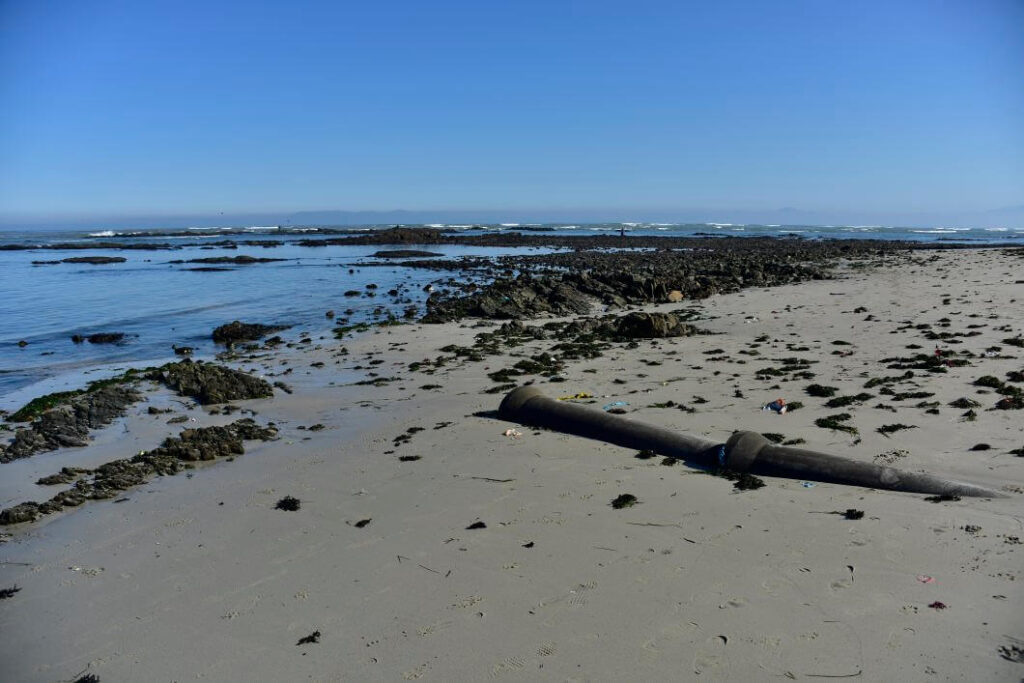
The study suggests PFAS are entering the Solent through multiple pathways. Researchers identified treated wastewater discharges from treatment plants in Portsmouth and Fareham, operated by Southern Water, as one source of contamination.
In addition, the study mapped 194 combined sewer overflow outfalls and more than 500 historic landfill sites near the Solent, which may also be contributing to chemical pollution. Nearby military facilities were highlighted as another possible source due to the historical use of PFAS-containing firefighting foams.
Marine Wildlife Showing Signs of Contamination
Testing revealed PFAS contamination in numerous marine species. Some samples contained individual chemicals above current legal safety limits, including samples taken from the livers of harbour porpoises.
Researchers also applied a newer European Union method that assesses the combined toxicity of multiple PFAS chemicals. While some samples met legal limits for individual substances, many failed the combined toxicity assessment, indicating a potentially greater environmental risk.
The findings reflect a wider issue across the UK. According to researchers, nearly all English surface waters tested would fail the combined toxicity assessment, alongside several remote lochs and burns in Scotland.
Scientists Call for Stronger Action on PFAS
Researchers argue that current regulations do not adequately account for the combined effects of multiple PFAS chemicals and are calling for more comprehensive monitoring and stronger restrictions.
Prof Alex Ford, a biologist at the University of Portsmouth and one of the study’s authors, said:
“If there was an oil spill in the Solent that industry would have to pay for the restoration of those habitats, but that doesn’t happen with sewage.”
But he added:
“This is one thing I don’t necessarily pin on the water companies because they don’t have the capacity to treat these compounds. That’s why they should be banned at source.”
Ford believes similar contamination patterns are likely to be found elsewhere across the country.
“I don’t think our story is specific to the Solent,” Ford said. “I think we would see a pattern all around the UK.”
Growing Calls for a UK-Wide PFAS Ban
Environmental groups and researchers are urging the UK Government to accelerate action on PFAS regulation.
A Southern Water spokesperson acknowledged the need for tighter controls, saying:
“Tackling the presence of these chemicals is a challenge for society as a whole,” they said. “The most sustainable solution is to meet the problem at source … and keep [the chemicals] out of pipes and the environment in the first place.”
The European Union is currently progressing towards a broad PFAS ban, with limited exemptions expected for essential uses such as medicine.
In February, the UK Government announced plans to consult on PFAS limits and undertake further testing as part of a wider strategy aimed at understanding how these chemicals enter and spread through the environment.
However, conservation groups argue that stronger and faster action is needed.
The Marine Conservation Society, which funded the Solent study, said:
“We need to go further and faster.”
“It’s not good enough to plan to have a plan,” said Calum Duncan, head of policy at the environmental charity. “We urgently need action and we have this once-in-a-generation opportunity with the water reform process to get on and do that.”
Concerns for Coastal Ecosystems
The study highlights the growing challenge posed by persistent chemical pollution in UK waters. With PFAS contamination now being detected throughout marine food webs, researchers warn that stronger regulation, improved monitoring and restrictions on the use of these chemicals will be necessary to protect wildlife, coastal habitats and public health in the future.
Support UK Environmental Conservation Efforts
At Natural World Fund, we support efforts to reduce pollution and protect marine ecosystems from harmful contaminants. The findings from this study highlight the widespread presence of PFAS “forever chemicals” in UK coastal waters and wildlife, raising concerns about their long-term environmental impacts. Reducing the use of persistent chemicals, preventing pollution at source and strengthening environmental protections are essential steps towards healthier seas, thriving biodiversity and a safer future for both wildlife and people.
If you care about restoring native wildlife, support the work of Natural World Fund today.
Image sources
- Strand_Beach_outlet_pipe by Cajol Lefty. Cropped and resized from original: Wikipedia Commons
- Solent_-_geograph.org.uk_-_4842406 by Alex McGregor. Cropped and resized from original: Wikipedia Commons