

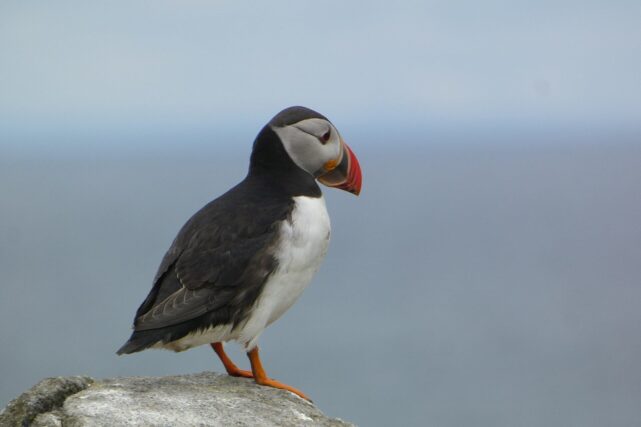
Puffin Reintroduction Project Shows Promising Signs on the Calf of Man
A decade after conservationists launched an ambitious project to restore puffins to the Calf of Man, encouraging signs suggest the effort may be succeeding.
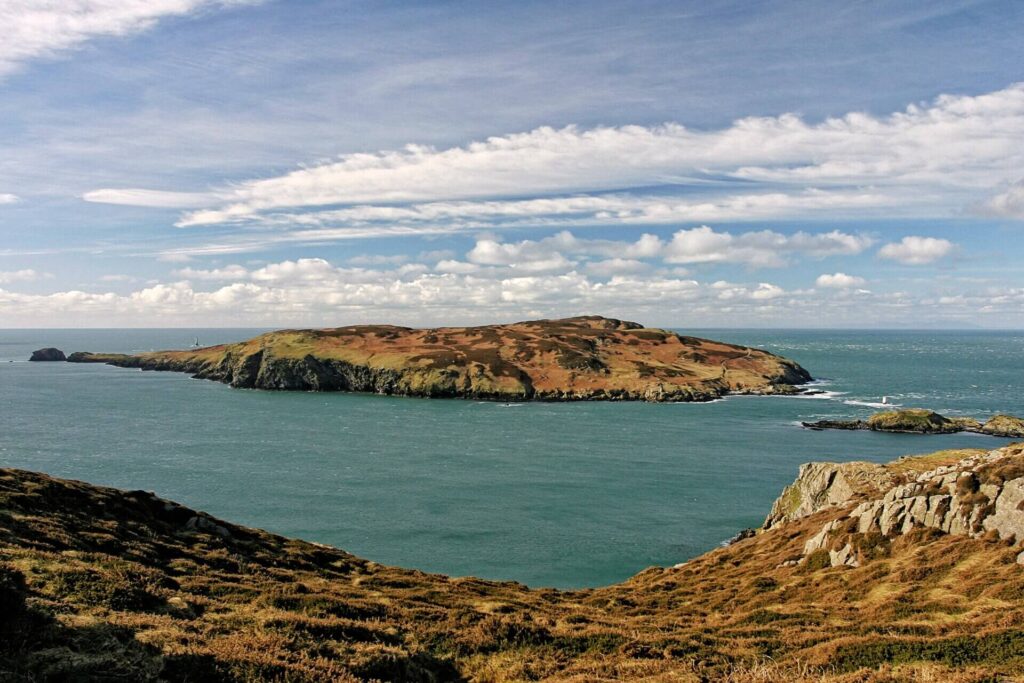
The small, uninhabited island nature reserve off the southern coast of the Isle of Man is now home to three puffin colonies. However, visitors may be surprised to learn that most of the birds are not real.
Instead, the colonies are made up largely of carefully placed puffin decoys designed to attract wild puffins back to their former breeding grounds.
How Decoy Puffins Are Helping Restore Seabird Populations
The innovative conservation project uses life-sized plastic puffin decoys to convince passing birds that an established colony already exists on the island.
Puffins are highly social seabirds and prefer nesting in busy colonies. Conservationists hope that seeing other puffins on the island will encourage wild birds to stop, explore and eventually breed there.
The project is led by the Manx Wildlife Trust (MWT), which reports increasing evidence that the strategy is working.
Researchers have recorded regular sightings of puffins around the decoy colonies, including birds gathering nesting materials.
Puffins Once Nested on the Calf of Man
The Calf of Man, located in the middle of the Irish Sea between Britain and Ireland, once supported a native puffin population.
Today, puffins breed in coastal colonies across the British Isles, including the Scottish Highlands, Northumberland, Wales and the Isles of Scilly.
However, puffins disappeared from the Calf of Man during the 1980s following the arrival of rats after a shipwreck.
The invasive rodents, locally known as “long-tails”, devastated populations of ground-nesting seabirds by feeding on their eggs and chicks.
Rat Eradication Programme Helped Wildlife Recover
In response to declining seabird numbers, the Manx Wildlife Trust and Manx National Heritage carried out a rat eradication programme between 2012 and 2013.
The project successfully removed the invasive predators from the island, allowing several bird species to recover.
Populations of species such as the eider duck and Manx shearwater have since increased significantly.
Conservationists hope puffins will become the next success story.
MWT marine conservation officer Lara Howe said the success of the programme presented “a great opportunity to start encouraging the puffins back to the Calf”, and there are now three decoy colonies, built up over the past 10 years.
She said the latest grouping was created last year as “a result of us actually seeing puffins in this area on fairly regular basis, so we decided to expand”.
Puffin Calls Broadcast Across the Island
The conservation project relies on more than visual attraction alone.
Alongside the decoy colonies, researchers have installed speaker systems that play recordings of puffin calls to attract birds flying overhead.
Howe explained that the audio recordings help lure puffins closer to investigate the area.
“If they’re flying past and don’t see anything, they might miss it, but they’ll hear the calls, come closer, see the decoys and think, ‘this is a great place’,” Howe said.
“We are seeing increased numbers of puffins on the water and around the Calf which is really positive.”
Signs of Success for Puffin Conservation Efforts
The Manx Wildlife Trust says there are growing indications that the project is having a positive impact.
Sightings of puffins both on the water and on land have increased in recent years.
One particularly encouraging moment came in 2021 when a wild puffin was photographed sitting alongside one of the decoys.
“It gave us real confidence that we were on the right track,” she said.
The same bird was later observed collecting nesting material, although no chicks were recorded.
Further positive signs emerged last year when another puffin briefly landed near researchers studying seabirds on the island.
While these visits may seem small, conservationists view them as important milestones towards establishing a breeding colony.
Could Pufflings Soon Return to the Island?
Baby puffins are affectionately known as pufflings, and researchers are hopeful that the first successful breeding attempt may not be far away.
Reports of puffins gathering nesting materials have increased optimism that nesting could soon occur.
Howe said puffins and many other seabirds continue to face significant pressures across the British Isles, including declining food supplies caused by overfishing, particularly of sand eels, and ongoing habitat disturbance.
Calf of Man Provides a Safe Haven for Seabirds
Despite wider challenges facing seabird populations, the Calf of Man offers ideal conditions for breeding birds.
The island remains largely undisturbed by human activity and is free from invasive predators, making it a valuable refuge for wildlife.
“It’s effectively a nature reserve,” Howe said, adding that other success stories there gave them reason to be optimistic.
She said Manx shearwater numbers had risen to more than 1,000 pairs following the rat eradication programme.
She added that there were not many positive conservation stories at the moment, but this showed what can be achieved “through collaboration with other organisations and people who really care about the environment”.
Hope for the Future of Puffins in the Irish Sea
As seabird populations face increasing pressures across the UK and Ireland, the Calf of Man puffin project demonstrates how targeted conservation action can help restore lost species.
While breeding puffins have not yet returned permanently, the growing number of sightings and encouraging behavioural signs suggest that one of the Irish Sea’s most iconic seabirds may soon reclaim its former home.
Support UK Environmental Conservation Efforts
At Natural World Fund, we support efforts to restore and protect marine ecosystems from the growing pressures they face, including pollution and invasive species that disrupt fragile seabird populations. The restoration work on the Calf of Man highlights how targeted conservation action can help wildlife recover, but it also sits alongside wider environmental challenges affecting UK and Irish Sea waters. Strengthening marine protection, reducing pollution at source and safeguarding the health of coastal ecosystems are essential to ensuring resilient seas and secure habitats for seabirds and other marine wildlife.
If you care about restoring native wildlife, support the work of Natural World Fund today.
Image sources
- The_Calf_of_Man_-_geograph.org.uk_-_29 by Andy Stephenson. Resized from original: Wikipedia Commons
- Pensive_puffin by Send in the clouds. Resized from original: Wikipedia Commons