

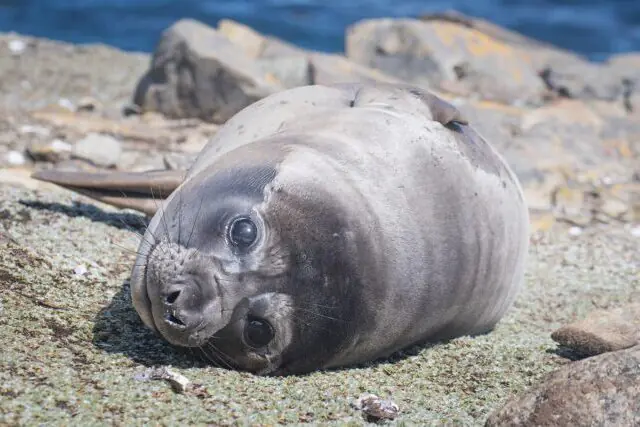
Bird Flu Outbreak Devastates Southern Elephant Seal Pups in Antarctic Islands
A severe outbreak of bird flu has killed thousands of southern elephant seal pups on remote Antarctic islands belonging to Australia, according to new scientific research. The findings highlight the growing reach of the H5N1 virus in sub-Antarctic ecosystems and its devastating impact on wildlife populations.
The affected islands—Heard and McDonald Islands—are located around 4,000 km (2,485 miles) south-west of Australia and are home to more than one million breeding seabirds and seals.
Massive Mortality Among Southern Elephant Seal Pups
Scientists estimate that approximately 13,000 baby seals from a population of 17,000 on Heard Island have died since last August due to the H5N1 strain of bird flu. This represents more than 75% of the entire group.
The research, based on drone surveys and on-the-ground fieldwork conducted in October and January, also recorded higher-than-expected deaths among penguin populations.
In one particularly severe area, mortality among seal pups reached as high as 97%.
Multiple Species Affected by H5N1 Virus
The study found that the virus has spread across several species on the islands. Of the nine species sampled, six tested positive for H5N1, including:
- Southern elephant seals
- King penguins
- Gentoo penguins
- Antarctic fur seals
- South Georgia diving petrels
While seal pups were the most severely affected group, king and gentoo penguins also experienced increased mortality rates.
Several hundred adult king penguins were recorded as dead—still a relatively small proportion of the population, but notably above normal levels.
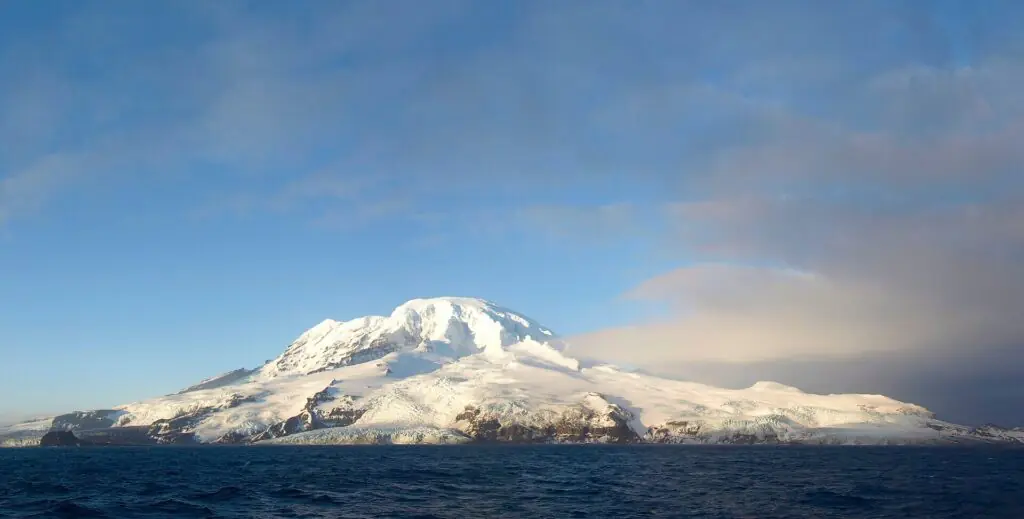
First Detection in an Australian External Territory
The latest research, published in the preprint journal BioRxiv and not yet peer reviewed, confirms a significant geographic expansion of the virus.
Lead author wildlife biologist Dr Julie McInnes said:
“These observations of H5 bird flu at Heard Island and McDonald Island are the first detection in an Australian external territory and show the continued eastward movement of the virus around the sub-Antarctic,”
She added:
“Our results show a similar pattern to other sub-Antarctic islands, such as South Georgia, where elephant seals have been hardest hit.”
Additional Wildlife Findings and Limited Impact Species
Despite the widespread impact on seals and some penguin species, the study found no unusual deaths among certain wildlife groups, including albatross populations and two endemic species: the Heard Island shad and the black-faced sheathbill.
This suggests the virus is affecting species unevenly, with some showing greater resilience than others.
Government Response and Biosecurity Concerns
Australia remains the only continent yet to report cases of the H5N1 strain, which has spread widely among bird populations globally and has also affected some mammals.
Environment Minister Murray Watt described the deaths as “sobering” and warned that Australia must prepare for the possibility of the virus reaching the mainland.
“We must be realistic about the likelihood of an incursion here, and plan accordingly.”
Possible Origin and Ongoing Monitoring
Researchers believe the virus was likely introduced to the islands in August via migrating birds from the French-owned Crozet Islands, located approximately 1,800 km away.
The Australian Antarctic Program, a collaboration between government and research institutions, will continue monitoring the region for signs of bird flu and further outbreaks.
Conservation Implications
The scale of mortality among southern elephant seal pups underscores the vulnerability of isolated Antarctic ecosystems to rapidly spreading wildlife diseases. As H5N1 continues to move through sub-Antarctic regions, scientists warn that careful monitoring and international cooperation will be essential to protect biodiversity in some of the world’s most remote habitats.
Supporting Climate Awareness and Wildlife Protection
At Natural World Fund, we recognise that protecting wildlife in a changing climate requires both public engagement and evidence-based action. As outbreaks like bird flu demonstrate, ecosystems are increasingly vulnerable to the combined pressures of disease, habitat disruption and environmental change. While political attention may shift, the impacts of rising temperatures, extreme weather and biodiversity loss continue to affect wildlife and ecosystems around the world. By supporting conservation initiatives, scientific research and practical solutions, we can help protect vulnerable species, strengthen ecosystem resilience and safeguard the natural world for future generations.
If you care about restoring native wildlife, support the work of Natural World Fund today.
Image sources
- Heard_Island_(cropped) by Tristannew. Cropped and resized from original: Wikipedia Commons
- 2020-11_Kerguelen_Islands_-_Southern_elephant_seal_37 by Antoine Lamielle. Cropped and resized from original: Wikipedia Commons