

A Silent Invasion Beneath the Surface
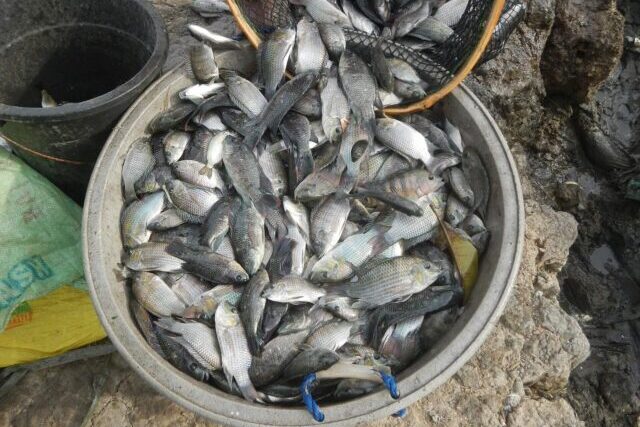
Invasive species are one are a growing global threat to biodiversity, often spreading unnoticed until the damage becomes impossible to ignore. In Thailand, one non-native fish is demonstrating just how devastating these invasions can become.
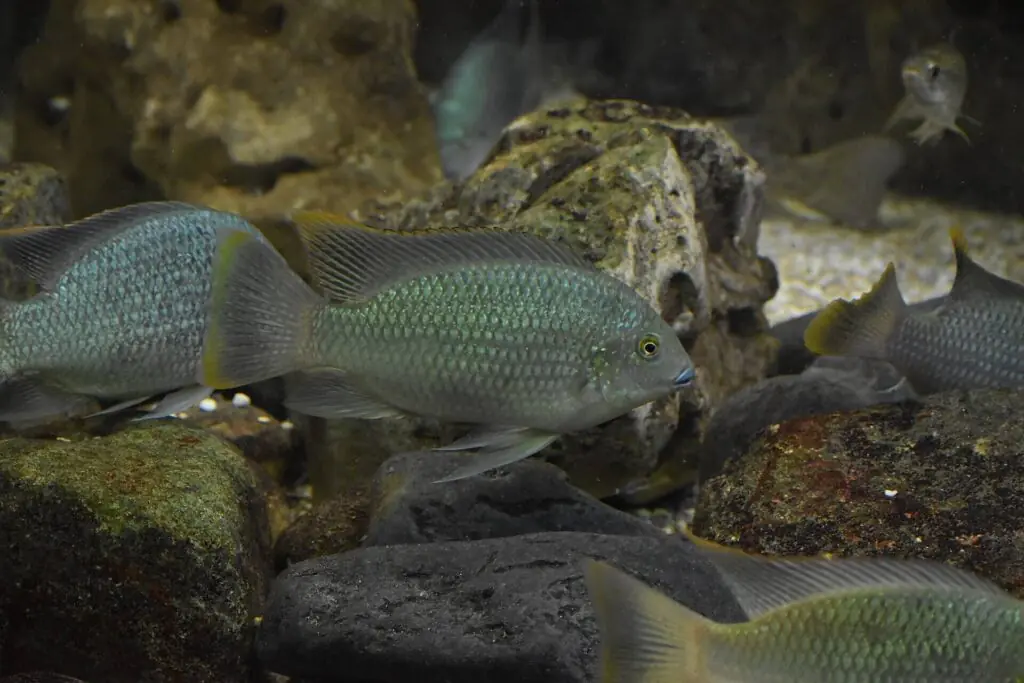
The blackchin tilapia, originally native to West Africa, has rapidly expanded across Thailand’s waterways, disrupting fisheries, damaging ecosystems, and threatening the livelihoods of thousands of people who depend on healthy rivers and coastal wetlands.
While complete eradication is now considered unlikely, scientists are racing to slow its spread and reduce its ecological impact before it reaches neighbouring countries.
From West Africa to Thailand
Blackchin tilapia was first reported spreading in Thailand in 2011 in Samut Songkhram, south of Bangkok. Since then, the fish has expanded into at least 19 provinces according to reports, occupying freshwater canals, estuaries and coastal waters across central and southern Thailand.
Its success comes from several biological advantages:
- It reproduces extremely quickly.
- Juvenile fish have high survival rates.
- It thrives in both freshwater and brackish water.
- It rapidly recolonises areas after control efforts.
These characteristics make blackchin tilapia one of the country’s most difficult invasive fish species to manage.
The Cost to Local Communities
For many fishing communities, the invasion has become an economic disaster.
Shrimp farmer Wallop Khunjaen saw his entire business collapse after blackchin tilapia invaded his ponds.
“They ate everything. They ate the shrimp, they even ate the crab,” says Wallop.
Within just two months, nearly one million young shrimp had disappeared.
Local fishers also report declining numbers of native fish and crustaceans. Species such as fiddler crabs have become increasingly rare, highlighting the wider ecological consequences of the invasion.
Frustrated by the slow response, Wallop recalls telling officials:
“I told [government officials], if the blackchin tilapia had feet, they would climb up your fisheries department office.”
Why Blackchin Tilapia Is Such a Dangerous Invasive Species
Unlike many invasive species that struggle to adapt to new environments, blackchin tilapia flourishes in a wide variety of habitats.
Scientists believe its ability to reproduce rapidly and tolerate changing water conditions allows populations to recover quickly, even after thousands of fish have been removed.
According to Thotsapol Chaianunporn, assistant professor in environmental science at Khon Kaen University:
“We have gone far beyond the point that we can return.”
Rather than complete eradication, researchers now believe long-term management is the only realistic option.
The Hidden Impact on Freshwater Ecosystems
The damage extends far beyond commercial fisheries.
Blackchin tilapia competes directly with native fish for food and habitat while also altering aquatic environments.
Researchers are concerned that female fish disturb riverbeds by digging breeding pits in the sediment.
As Thotsapol explains:
“When thousands of females dig holes, it’s going to affect the benthic invertebrate, or even the fish down there.”
These bottom-dwelling invertebrates are essential components of healthy freshwater ecosystems.
Scientists also believe increased sediment can reduce light penetration, affecting underwater plants and limiting photosynthesis.
Another concern is the fish’s appetite for zooplankton. These tiny organisms help control algae growth, meaning their decline could contribute to harmful algal blooms and poorer water quality.
Can Scientists Stop the Spread?
Thailand has introduced several measures to reduce blackchin tilapia populations, including:
- Releasing Asian sea bass as natural predators.
- Developing sterile blackchin tilapia to reduce breeding success.
- Paying fishers to remove invasive fish from waterways.
Thousands of tonnes have already been removed.
However, experts agree these efforts are unlikely to eliminate the species completely.
Instead, researchers are increasingly exploring ways to manage invasive populations while reducing environmental damage.
Using Technology to Track Invasive Fish
Detecting invasive species early offers the best chance of preventing widespread ecological damage.
Scientists are increasingly using innovative monitoring techniques, including:
- Environmental DNA (eDNA) sampling.
- Underwater facial recognition cameras.
- Acoustic tracking systems.
Environmental DNA has become one of the most powerful conservation tools available.
According to Dean Jerry, distinguished professor in aquaculture genetics at James Cook University in Singapore:
“Fish are particularly big shedders.”
He compares a water sample to a:
“DNA soup”
Researchers can analyse these samples to identify individual invasive species or map entire aquatic communities before visible populations become established.
Can We Eat the Problem Away?
Some conservationists believe creating commercial demand for blackchin tilapia could help reduce numbers.
Restaurant owner Adisorn Jamsuksaward has even begun experimenting with the fish on his menu.
He says:
“People are hesitant, but once they try it – [they say] it’s delicious.”
Despite these efforts, public demand remains extremely low.
Fish trader Tongta Samtia explains:
“They don’t know how to eat it.”
She also believes the fish’s appearance discourages buyers.
Researchers suggest expanding its use in animal feed and fermented fish products may offer a more practical long-term solution than relying on human consumption alone.
A Global Conservation Challenge
Fish invasions are becoming increasingly common worldwide, often linked to aquaculture, accidental releases and the aquarium trade.
The source of Thailand’s blackchin tilapia invasion remains disputed, and the long-term ecological consequences are still unfolding.
For local fishers, however, the scale of the problem is already painfully clear.
Fishing-net seller Thanandon Charoenhiransaku describes just how abundant the fish has become:
“When you cast the net three times, you can easily get 20 to 30kg of blackchin tilapia – that’s how much is in our canals.”
His greatest concern is that the invasion continues beyond Thailand’s borders.
As he warns:
“It’s a silent threat.”
“You don’t notice until it’s there.”
Protecting Freshwater Wildlife and River Ecosystems
Healthy rivers support an extraordinary diversity of wildlife, from fish and freshwater invertebrates to birds, mammals and amphibians. Once invasive species become established, restoring ecosystems becomes significantly more difficult and expensive.
At Natural World Fund, we support evidence-based conservation that protects freshwater habitats, restores biodiversity and helps safeguard vulnerable ecosystems for future generations. Preventing invasive species, restoring degraded waterways and improving habitat resilience are all essential steps in protecting the natural world.
Image sources
- Aquarium_de_la_Porte_Dorée_-_Poisson_85 by Tylwyth Eldar. Cropped and resized from original: Wikipedia Commons
- 5702Gloria_Fish_Blackchin_tilapia_Sarotherodon_melanotheron_Bulacan by Judgefloro. Cropped and resized from original: Wikipedia Commons