

Record-Breaking Spring Boosts Songbird Breeding Across Britain
The warmest and sunniest spring on record has delivered a rare boost for some of Britain’s most loved songbirds, with new data revealing increased breeding success across multiple species in 2025.
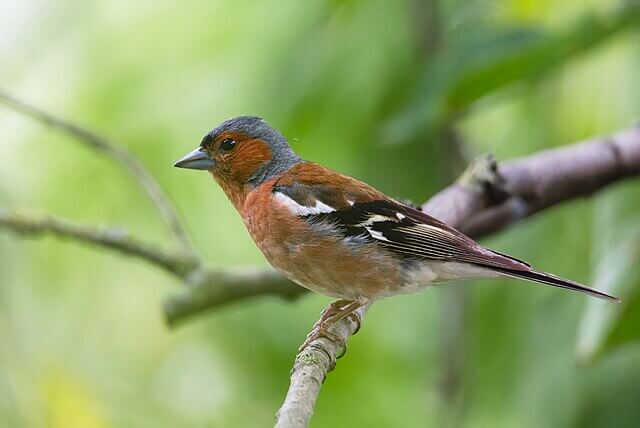
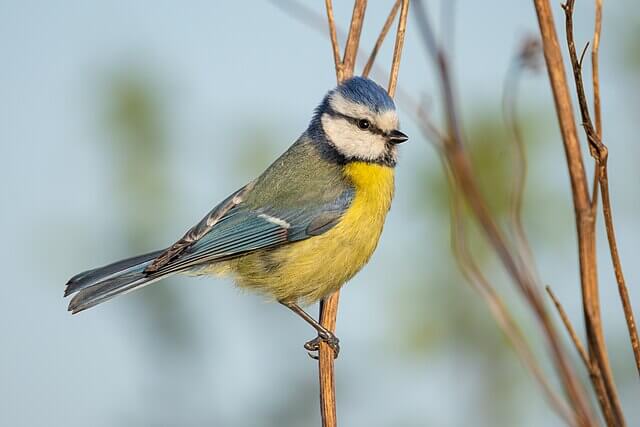
Scientists say the dry, settled weather offered a glimmer of hope for threatened wild birds following years of decline. During the 2025 breeding season, which runs from May to August, breeding success was above average for 14 songbird species, including the chiffchaff, garden warbler, whitethroat, coal tit, blue tit, great tit and robin.
How Scientists Track Songbird Breeding Success
The findings come from volunteer bird ringers working with the British Trust for Ornithology (BTO) as part of the Constant Effort Sites (CES) scheme. In 2025, volunteers monitored 29 songbird species at fixed locations across the UK.
Under the scheme, birds are caught in the same places, using the same methods, throughout the summer. This allows scientists to track changes in adult bird numbers, measure how many young birds are successfully fledged, and assess survival rates over time.
By comparing year-on-year data, researchers can identify trends and understand how weather and environmental conditions affect bird populations.
A Stark Contrast With 2024’s Wet Spring
The strong breeding performance in 2025 follows a very different picture in 2024, which was marked by prolonged rainfall and poor conditions for nesting birds.
Dr Ellie Leech, the head of the ringing scheme, said: “Thanks to the fantastic efforts of BTO bird ringers, we know that the breeding success of 14 species was higher than average in 2025, in large part due to the mild weather. This is welcome news.”
Scientists noted that the contrast between the dry, sunny spring of 2025 and the continual downpours of 2024 could not be more stark.
“[It] shows just how important the weather can be; this is particularly for young birds that are less well insulated and less experienced at finding food in difficult conditions.”
Compared with last year, breeding success across many species was significantly higher, highlighting how sensitive birds are to changing weather patterns.
Migratory and Resident Birds Show Gains
Above-average breeding success was recorded for several migratory species, including the chiffchaff, reed warbler, blackcap, garden warbler and whitethroat.
Resident birds also benefited from favourable conditions. Nine species — coal tit, blue tit, great tit, Cetti’s warbler, long-tailed tit, robin, dunnock, chaffinch and goldfinch — showed statistically significant increases in breeding success compared with the five-year average.
The report says: “It is likely that all species benefited from the mild and dry spring and summer weather and that the prolonged good weather in summer 2025 increased the likelihood of second broods, leading to higher productivity.”
Why Higher Breeding Success Doesn’t Tell the Whole Story
Despite these encouraging results, scientists warn that higher breeding success does not necessarily mean bird populations are recovering.
Adult numbers of several well-known songbirds continued to decline in 2025, largely due to the poor breeding season in 2024. For some species, the impact has been severe: both the willow warbler and garden warbler recorded their lowest numbers on record this year.
This highlights how one bad year can have long-lasting consequences for already vulnerable species.
Experts caution that climate breakdown could further undermine the future of Britain’s wild birds. Many of the species monitored under long-term schemes are already showing sustained population declines, and increasingly extreme weather — from droughts to flooding — is expected to worsen these trends.
Britain’s Birds Remain in Serious Decline
Despite short-term gains for some species, the overall picture remains deeply concerning. The latest red list of birds of conservation concern, which identifies species at risk of extinction, includes familiar British birds such as the skylark, starling, woodcock, house martin, house sparrow and swift.
Most of the fastest-declining species are farmland birds. Intensive agricultural practices — including the widespread use of pesticides and fertilisers — are identified as the primary drivers of these losses, alongside habitat destruction and climate change.
A Moment of Hope — But Not a Recovery
While the exceptional spring of 2025 has shown that Britain’s songbirds can still respond positively when conditions improve, conservationists stress that this does not represent a recovery.
Long-term protection of habitats, changes to farming practices, and urgent action on climate breakdown remain essential if future generations are to enjoy the sound of birdsong across the UK.
About Natural World Fund
Natural World Fund focuses on restoring and protecting habitats across the UK to support long-term wildlife recovery.
Image sources
- Eurasian_Blue_Tit_2025_04_07 (1): Wikipedia Commons
- Fringilla_coelebs_on_branch (1): Wikipedia Commons