


US Greenhouse Gas Emissions Rise in 2025 for First Time in Three Years
A cold start to 2025 combined with soaring energy demands from data centres and cryptocurrency mining has driven US greenhouse gas emissions higher, reversing two years of declines. According to analysis by the Rhodium Group, emissions rose 2.4% last year, outpacing economic growth and marking the first increase in three years.
Cold Weather Drives Higher Fossil Fuel Consumption
Homes across colder regions of the United States relied heavily on natural gas and other fossil fuels for heating, with consumption rising nearly 7% compared to 2024. At the same time, higher electricity demand from booming technology sectors added pressure to the energy grid.
Coal Use Surges Amid Rising Energy Needs
The combination of increased heating demand and higher gas prices caused coal use to surge by 13% in 2025, a significant rebound despite the long-term decline in US coal generation. Since 2007, coal-fired electricity production in the US has fallen by 64%, making last year’s rise only the second increase in over a decade.
“The grid decided to meet that additional load this year, in part with renewables, in part with fossil but because of higher natural gas prices, there was some fuel switching that saw marginally more coal than there was in 2024,” said Michael Gaffney, from Rhodium Group, the report‘s lead author.
Electricity companies also slowed coal plant retirements, delaying closures to meet the rising power demand.
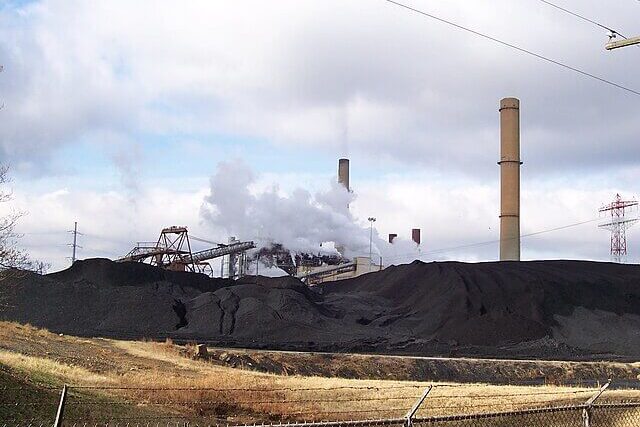
“Higher natural gas prices means that finally, coal, which had been kind of driven to extinction by low natural gas prices, well [gas is] now so expensive that coal’s worthwhile again,” said Jesse Lee, from Climate Power, a US-based environmental campaign group.
“And that’s what is allowing coal to make this comeback.”
Analysts are now debating whether 2025 marks the beginning of a coal revival in the United States.
“It’s more than just a blip,” said Michael Gaffney.
“This is a response to the demand growth in the sector, a lot of it is coming from data centres, cryptocurrency operations, other large load customers, and that demand growth is here to stay.”
Renewable Energy Growth Offsets Some Emissions
Despite the rise in fossil fuel use, solar power expanded by 34%, the fastest growth since 2017. While renewable energy gains cannot yet fully offset rising emissions, they highlight the potential of clean energy in reducing greenhouse gases over time.
In contrast, countries like India and China reduced coal use for electricity by 3% and 1.6% respectively, thanks to record expansions in wind and solar capacity, according to an analysis for the website Carbon Brief..
Transport Emissions Remain Flat Thanks to EVs and Hybrids
The transport sector remains the largest source of US emissions, including road, rail, and air travel. However, 2025 saw virtually flat emissions, aided by a growing number of hybrid and electric vehicles. Hybrid vehicle adoption alone jumped 25% compared to 2024, partially offsetting the rise in road traffic volumes for the fifth consecutive year.
Policy Changes Had Limited Impact in 2025
While President Trump’s policies aimed to rollback climate regulations and boost fossil fuel extraction, analysts from the Rhodium Group reported that these changes had little effect on overall emissions in 2025. Some experts, however, argue that future policy shifts could significantly influence the trajectory of US greenhouse gas output.
Global Context: US Energy Trends Compared to Other Nations
High gas prices in the US, partly driven by large exports of natural gas, contributed to the increased reliance on coal. Meanwhile, renewable energy adoption in other major economies shows that coal dependence can be reduced even amid rising energy demand.
“There is a data centre explosion, that is somewhat independent of Trump,” says Lee, of Climate Power.
“You could argue maybe his policies haven’t all kicked in full blast yet, but I don’t think you can really divorce his natural gas exports and his blind support of AI and data centres from this dynamic that’s driving up emissions.”
The 2025 trends underscore the challenges of balancing energy demand, economic growth, and climate goals in a world increasingly affected by extreme weather and technological power consumption.
At Natural World Fund, we work to combat climate change through nature-based solutions. The biodiversity and global warming crises are intertwined and vital for protecting the planet and securing a sustainable future.
Image sources
- Chesterfield_Power_Station (1): Wikipedia Commons
- Clearing_snow_in_New_York_(2020) (1) (1): Wikipedia Commons