

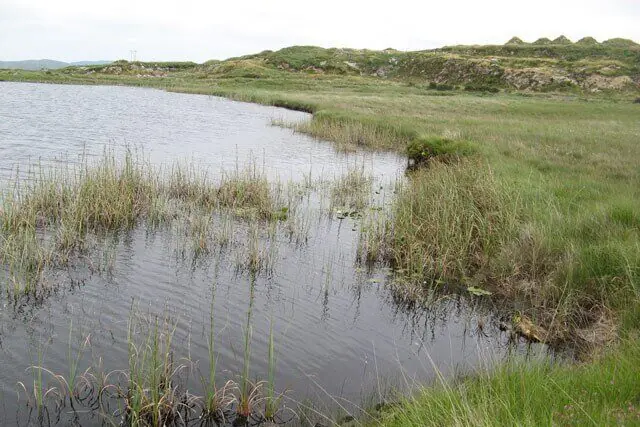
Natural Flood Management: Restoring Rivers for Climate Resilience
After homes were flooded, roads cut off and schools forced to close in the wake of Storm Chandra, the growing threat of flooding in the UK has once again come into sharp focus. As climate change brings warmer, wetter winters, river systems are under increasing pressure — and communities are facingção reconsidering how best to adapt to a future of more extreme weather.
Why Climate Change Is Increasing Flood Risk
Rising global temperatures are intensifying the UK’s rainfall patterns, leading to more frequent and severe floods. According to Professor David Sear, a physical geographer at the University of Southampton, rivers will continue to experience both extreme flooding and prolonged drought.
“We’ve got to allow the water to go out onto its floodplain, flow more slowly, and make sure that the land surface around is able to store more water and release it more slowly,” he said.
This pattern highlights the urgent need for long-term, nature-based solutions that work with natural processes rather than against them.
Wild Woodbury: A Nature-Based Solution in Dorset
At the Wild Woodbury rewilding site near Bere Regis in Dorset, an ambitious river restoration project is demonstrating how landscapes can be redesigned to store water, capture carbon and create vital wildlife habitat.
Covering more than 170 hectares, the project focuses on the River Sherford and uses a method known as stage-zero river restoration — a technique that reconnects rivers with their natural floodplains.
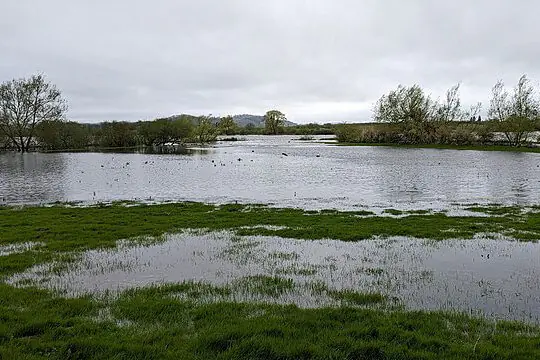
Letting Water Flow Naturally Again
Previously managed for intensive agriculture, the land was drained by a network of artificial ditches. Restoration work blocked these channels and allowed water to spread freely across the landscape.
By removing constraints, the river has been able to:
- Recreate historic flow routes
- Form wetlands, streams and pools
- Slow the movement of water downstream
This natural approach helps reduce flood peaks while also building resilience during drought.
Clear Water, Carbon Storage and New Wildlife Habitats
Project manager Rob Farrington said the transformation was almost immediate, with newly formed streams and pools becoming exceptionally clear.
“The water leaving our land before this restoration used to zoom down the drainage channels and the ditches incredibly quickly flooding the minor roads,” he said.
“Slowing the water down and spreading it out not only creates this fantastic place for wildlife but those minor roads have not flooded since we’ve done this because the land acts like a sponge.”
“So when there’s plentiful rain, the water spreads out on our land and slowly and in a controlled manner goes on down,” said Farrington.
“By slowing it down, it gives the land the ability to remove excess nutrients, so it’s filtering it, it’s cleaning it.
“And wetter soils can sequester and store more carbon.”
The restored landscape now includes around 50 hectares of wetland within a wider 270-hectare nature recovery area. These wetlands:
- Filter pollutants and improve water quality
- Store significant amounts of carbon
- Provide habitat for birds, insects and aquatic species
- Reduce flood risk for communities downstream, including towards Poole Harbour
“That’s a lot of space but then we’re on a very flat open area here,” Farrington said.
“In other areas, you’re just not going to be able to get that benefit, so you need to be weighing up the cost of doing the activity and what you’re going to win.”
“In some instances, we may have built a road or houses on floodplains. It’s obviously not feasible to do it,” he added.
Natural Flood Management Has Limits
While the Wild Woodbury project demonstrates the power of nature-based solutions, Prof Sear cautioned that this approach cannot be applied everywhere.
“Just doing things at isolated locations seems like a great idea at that location but it’s not necessarily treating the scale at which the challenge is being produced,” he said.
“So we’ve got to join all these bits together, including, where necessary, some hard engineering but we can do it better now in order to be able to allow these rivers to adapt to this changing climate.”
Large-scale climate adaptation will also require:
- An end to building on floodplains
- Stronger protection for existing homes and infrastructure
- Catchment-wide planning for water management
Without these wider changes, restoration projects alone cannot fully address the scale of future flood risk.
“When you look at an old map, you notice that all the villages and the old churches and structures like that, they are built outside the floodplain because they knew that was the winter riverbed,” he said.
“Now, if you think of floodplains as the winter riverbed, why would you build in a riverbed?
“At the rate we’re going, we’re not going to be able to achieve the scales of change needed to address flooding, to address the nutrient problems and to address the biodiversity crisis unless we scale up.
“But we can’t do it through diggers and lots of high-energy, high-cost things. We’ve got to do stuff working with natural processes.”
Working With Nature to Protect Communities
As extreme weather becomes more common, restoring rivers and reconnecting them to their floodplains offers a sustainable way to protect both people and wildlife.
Nature-based solutions like Wild Woodbury show how healthier landscapes can:
- Reduce flooding
- Improve biodiversity
- Strengthen climate resilience
They are a vital part of the UK’s transition towards living safely with water in a changing climate.
At Natural World Fund, we see the rising frequency of devastating floods as a clear signal that our rivers and landscapes have been pushed beyond their natural limits. Climate change, intensive land use and building on floodplains are not separate challenges — together they are accelerating water extremes that put wildlife, homes and communities at risk. Restoring wetlands, reconnecting rivers to their floodplains and working with nature to store water upstream are essential steps towards a safer, more resilient future for both people and the natural world.
Image sources
- River_Lugg_Flood_Plain_-_geograph.org.uk_-_7848529 (1): Wikipedia Commons
- Bog_loch_-_geograph.org.uk_-_3697572 (1): Wikipedia Commons