

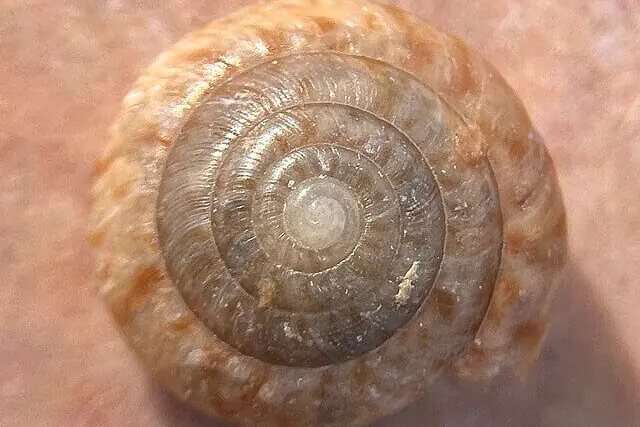
Greater Bermuda Snail Brought Back From the Brink of Extinction
A button-sized land snail once feared extinct in Bermuda is thriving again after conservationists bred and released more than 100,000 individuals into the wild.
The greater Bermuda snail (Poecilozonites bermudensis), a species found nowhere else on Earth, was known only from fossils until a tiny surviving population was rediscovered in 2014 in an overgrown alleyway in Hamilton.
International Breeding Programme Restores Native Species
A decade-long collaboration between conservation scientists, the Government of Bermuda and Chester Zoo made the recovery possible. At Chester zoo, keepers developed specialised snail-breeding techniques, housing the molluscs in carefully controlled pods to create ideal conditions for rapid population growth.
Since 2019, thousands of captive-bred snails have been returned to protected woodland sites across Bermuda. Strong biosecurity measures were put in place to shield them from invasive predators, and new surveys confirm the species is now firmly established in six locations. The results are due to be published in Oryx.
“It’s every conservationist’s dream to help save a whole species – and that’s exactly what we’ve done,” said Tamás Papp, the invertebrates assistant team manager at Chester zoo. “This scientific confirmation that we’ve saved them is testament to the role zoos can play in preventing extinction, and in the power of collaboration, and is something everyone involved will carry in their heart.”
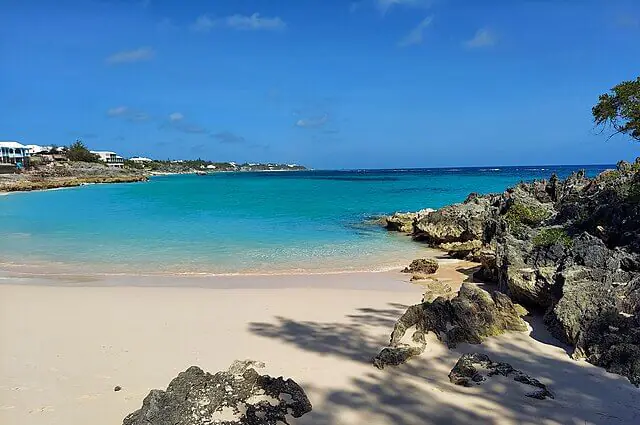
Overcoming Invasive Species, Habitat Loss and Climate Pressures
The snail’s dramatic decline was driven by habitat destruction, global heating and the introduction of invasive predators, including carnivorous flatworms and “wolf snails”, which decimated native populations. Its recovery is now being celebrated as part of IUCN’s “reverse the red day” — a global movement to restore biodiversity.
Dr Mark Outerbridge, an ecologist for the government of Bermuda, said: “It has been extremely gratifying to be involved with this reintroduction programme and to see these snails back in Bermuda’s ecosystem again. It is remarkable to think we only began with less than 200 snails and have now released over 100,000.”
Scientists say the return of this tiny species is about more than preventing extinction. According to Biolinx Environmental Research, rebuilding the snail population also helps to restore Bermuda’s damaged ecosystems.
“The snails function both as prey for larger animals and as consumers of live and decaying vegetation, so they are vital for turning over nutrients within their habitat,” she said.
Following this success, conservationists at Chester Zoo have begun work to save another critically rare species — the lesser Bermuda land snail (Poecilozonites circumfirmatus).
At Natural World Fund, the recovery of the greater Bermuda snail shows how targeted conservation, international collaboration and long-term species management can bring wildlife back from the brink. Restoring native invertebrates is essential for healthy ecosystems, yet island species remain highly vulnerable to habitat loss, climate change and invasive predators. By supporting science-led breeding programmes, habitat protection and strong biosecurity, we can help secure the future of unique species like Bermuda’s land snails while rebuilding resilience across the natural world.
Image sources
- Bermuda_-_Along_the_shore (1): Wikipedia Commons
- Poecilozonites_bermudensis_231278117 (1): Wikipedia Commons