

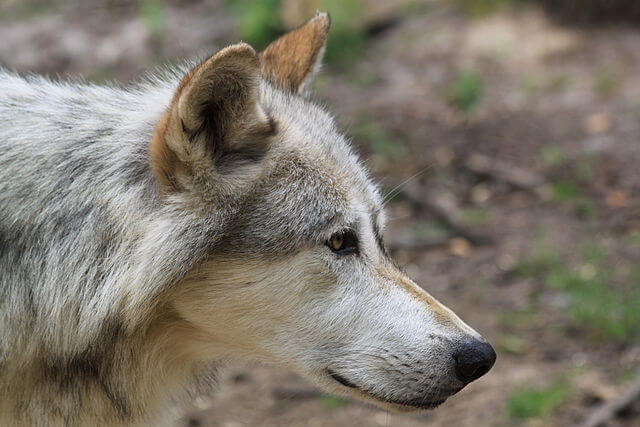
Gray Wolf Returns to Los Angeles County After More Than a Century
For the first time in over 100 years, a gray wolf has entered Los Angeles County — a milestone moment for wildlife conservation in California.
“This is the most southern verified record of a gray wolf in modern times,” Axel Hunnicutt, gray wolf coordinator for the California department of fish and wildlife, said.
The three-year-old female wolf, identified as BEY03F, crossed into the county at approximately 6am on 7 February. Her arrival marks a significant step in the ongoing recovery of gray wolves across the western United States.
“It’s possible she may continue to travel hundreds of miles in search of a mate or she may come across a male tomorrow.”
Tracking BEY03F: A Remarkable Journey Across California
Born in 2023 in Plumas County within the Beyem Seyo pack, BEY03F travelled nearly the entire range of the Sierra Nevada mountains. Wildlife experts believe she was likely searching for a mate — a common reason for young wolves to disperse long distances.
She was fitted with a GPS collar in May 2025 while moving through Tulare County, allowing the California Department of Fish and Wildlife to monitor her movements. Despite her presence in Los Angeles County, officials have received no confirmed public sightings.
By Tuesday, she had begun travelling north again, likely deterred by the busy Interstate 5 corridor. Vehicle collisions remain one of the leading causes of mortality for wolves in the United States.
The History of Gray Wolves in California
The Gray wolf once roamed widely across the continental United States, with thousands inhabiting diverse ecosystems. However, widespread hunting and trapping led to near-total eradication.
In California, the last known wild wolf was killed in 1924.
Protection came in 1973 under the Endangered Species Act, a landmark law aimed at preventing species extinction. In the 1990s, wolves were reintroduced to Yellowstone National Park, helping to restore ecosystems and gradually rebuild populations.
From there, wolves slowly dispersed across western states. The first confirmed wolf returned to California in 2011. By 2024, state estimates indicated at least 70 gray wolves in California — a significant rise from 44 the previous year.
“Just over 30 years ago, gray wolves were reintroduced into Yellowstone national park and central Idaho. The wolves in California are [descendants] of these animals and made their way to California because of wolves doing what BEY03F is doing now: being an explorer,” said Hunnicutt. “Each year, we see continued successful reproduction and expansion of packs into new areas. This is driven by this dispersal movement.”
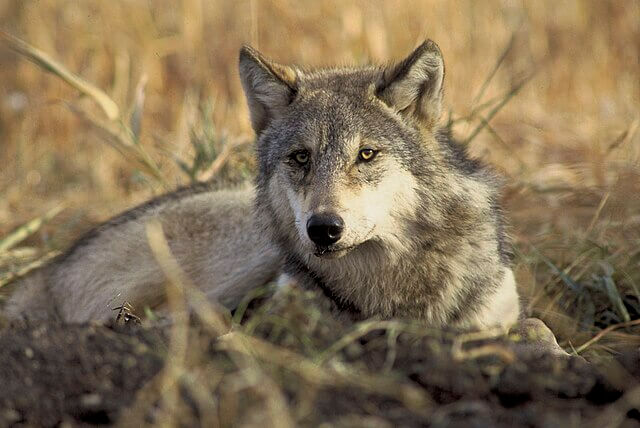
Why This Wolf’s Arrival Matters for Wildlife Recovery
Conservationists have celebrated BEY03F’s journey into Los Angeles County as a powerful symbol of ecological recovery. The return of apex predators such as gray wolves can help regulate prey populations and restore natural balance in ecosystems.
However, wolf recovery remains fragile and politically contested.
Legal Challenges and the Future of Gray Wolf Protection
On 10 February, the Center for Biological Diversity filed a lawsuit challenging the administration of Donald Trump over its refusal to develop a national gray wolf recovery plan.
In 2024, the U.S. Fish and Wildlife Service under the administration of Joe Biden announced plans to create a nationwide recovery strategy. However, in 2025, the agency reversed course, publishing a finding stating that an updated recovery plan was “no longer appropriate” under the Endangered Species Act.
This policy shift has reignited debate over the long-term protection of gray wolves in the United States.
Gray Wolf Conservation: A Global Perspective
The reappearance of wolves in areas where they were once eradicated demonstrates the potential for species recovery when legal protection, habitat connectivity, and public support align.
Yet the future of the gray wolf depends on continued conservation efforts, science-based management, and sustained legal safeguards. Without these, progress made over decades could quickly be undone.
At Natural World Fund, we recognise that apex predators play a crucial role in healthy ecosystems. The story of BEY03F highlights both the resilience of wildlife and the ongoing need to protect endangered species worldwide.
Image sources
- Endangered_gray_wolf_(Canis_lupus) (1): Wikipedia Commons
- Canis_lupus_Kopf: Wikipedia Commons