

Volunteer Toad Patrols Save Hundreds of Migrating Toads in Cornwall
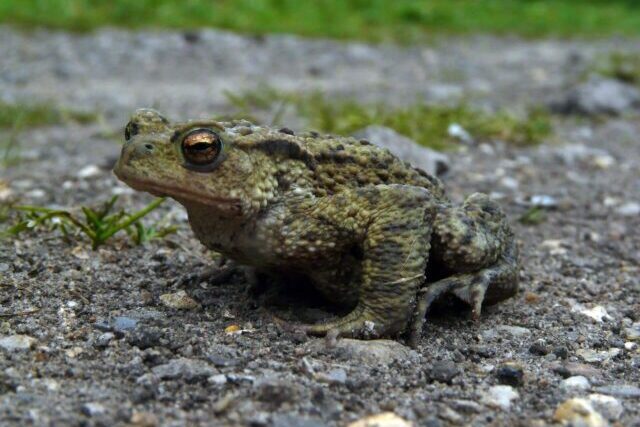
Hundreds of migrating toads have been rescued from dangerous roads in north Cornwall thanks to the work of dedicated volunteer patrols. Conservationists say the effort is helping protect declining amphibian populations while ensuring the animals reach their traditional breeding ponds safely.
Volunteer patrols organised by amphibian conservation charity Froglife have helped more than 379 common toads safely cross a busy road at Hawksland, near Wadebridge in Cornwall.
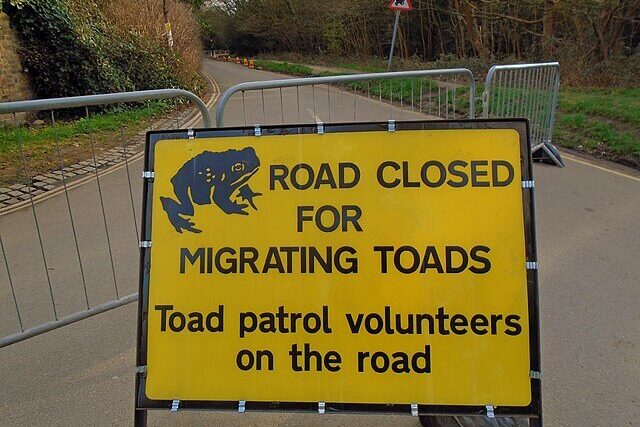
The toads were attempting to cross a road cut-through while travelling to their ancestral breeding ponds during the annual mating migration. Without assistance, many would have been at serious risk of being killed by passing traffic.
How Toad Patrol Volunteers Protect Migrating Amphibians
During the breeding season, trained volunteers carry out regular patrols along known migration routes. Wearing protective vinyl gloves, they carefully pick up toads attempting to cross the road and place them in buckets before safely releasing them on the other side so they can continue their journey.
These simple but effective interventions help prevent road deaths and support the survival of local amphibian populations.
According to Froglife project leader Andy Smart, the charity has been running toad patrol schemes since the 1970s. Today, around 280 volunteer patrol groups operate across the UK.
In 2025 alone, volunteers helped relocate approximately 150,000 toads, highlighting the scale of the conservation effort required to protect migrating amphibians.
Why Toad Patrols Are Needed
Toads instinctively follow historic migration routes to reach breeding ponds each spring. Unfortunately, many of these routes now intersect with modern roads.
At the Hawksland site, 17 toads had already been killed by traffic before the patrols began assisting them across the road.
Smart said: “They do tend to get squashed, unfortunately.
“Obviously, when they started out using the ponds, there were not so many roads around, [not] so much traffic, and so they were much safer.”
By recording migration data from early February onwards, conservationists can better understand when and where toads travel and identify the most dangerous crossing points.
Helping Protect the Declining Common Toad
Data collected by patrol volunteers plays an important role in monitoring the health of the common toad population, which has declined in many parts of the UK.
The information helps conservation groups develop better strategies to protect amphibians and safeguard their breeding habitats.
The annual toad migration is expected to continue for several more weeks. Conservationists are encouraging members of the public who are interested in wildlife protection to volunteer with a local toad patrol group.
Supporting these efforts can make a real difference in protecting vulnerable amphibians and preserving vital ecosystems across the UK.
Smart said: “There was a recent scientific publication that showed that common toads have declined by 41% over the last 40 years.
“The data that’s collected by our registered patrols is all coordinated and sent back to Froglife and then we share that with scientists who are working on common toads.
“So it’s a really important thing that people are doing.”
At Natural World Fund, we believe protecting native species like the common toad is vital to restoring healthy, balanced ecosystems. Seasonal migrations are a crucial part of amphibian life cycles, yet many are increasingly threatened by habitat loss and road traffic. By supporting conservation initiatives, community volunteers, and science-led monitoring, we can help safeguard these important species and ensure the UK’s wildlife continues to thrive for generations to come.
Image sources
- Church_Road,_Ham,_closed_to_protect_migrating_toads (1): Wikipedia Commons
- Toad_in_the_road_(4771441425) (1): Wikipedia Commons