

US Gas Power Boom Driven by AI Data Centres Threatens Global Climate Goals
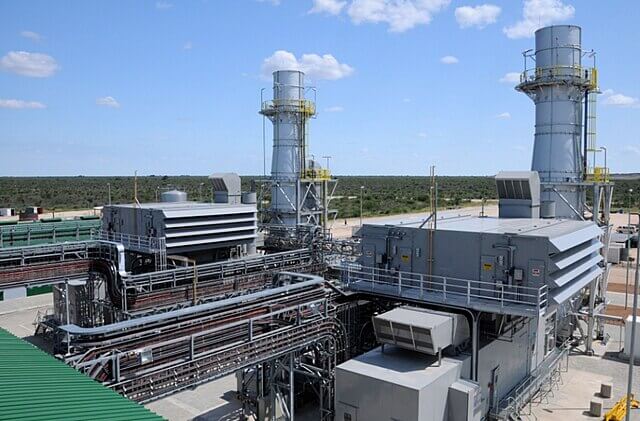
A massive expansion in gas-fired power generation – led by the United States – is set to trigger a sharp rise in global carbon emissions, according to new research from the Global Energy Monitor (GEM). The surge is being fuelled by the rapid growth of energy-intensive AI data centres, raising serious concerns about the future of the climate and the transition away from fossil fuels.
Record Growth in Global Gas-Fired Power Capacity
This year is on track to break the world record for new gas power installations. Projects currently in development could increase global gas power capacity by nearly 50%, locking in decades of additional emissions.
If completed, these plants would produce:
- 12.1 billion tonnes of CO₂ in the US alone over their lifetimes
- 53.2 billion tonnes globally
That is more than enough to accelerate heatwaves, droughts, floods, and other extreme climate impacts scientists have repeatedly warned about.
Artificial Intelligence Is Driving Fossil Fuel Demand
A key factor behind the boom is the explosive growth of AI infrastructure.
Around one-third of the 252 gigawatts of new gas power in development is planned for on-site use at data centres, which require vast amounts of electricity to operate.
As demand for AI computing rises, so does:
- Electricity consumption
- Greenhouse gas emissions
- Pressure on energy systems
This trend risks undermining progress toward net-zero climate targets.
The United States Leads the Global Expansion
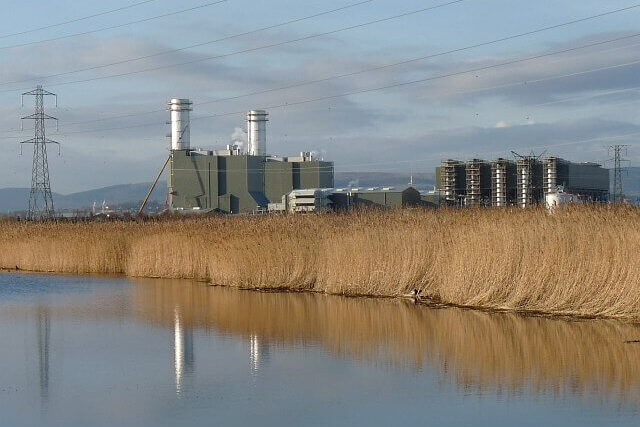
The US accounts for almost a quarter of all gas power in development worldwide, far ahead of other countries.
Major hotspots include:
- Texas – the centre of the boom
- Louisiana
- Pennsylvania
New US gas capacity in 2026 is expected to exceed the previous record set in 2002.
Other countries expanding gas power include:
- China
- Vietnam
- Iraq
- Brazil
China alone added 22.4GW of gas capacity in a single year, its highest ever.
Rising Energy Bills and Public Backlash
The rapid expansion of AI data centres is already having real-world impacts.
In the US it has:
- Increased electricity demand
- Pushed up household energy bills
- Raised concerns over water consumption
“Frenzied datacenter growth with little transparency or guardrails puts the public at risk of massive cost increases,” said Steve Clemmer, director of energy research at the Union of Concerned Scientists
The Union of Concerned Scientists predicts electricity demand in the US electricity demand could rise by up to 60% by 2050.
Communities are beginning to resist new developments due to:
- Higher living costs
- Environmental impacts
- Lack of transparency
Political Pressure and Big Tech’s Role
The growth of AI has received strong political backing, with promises to remove regulations that slow data centre construction.
However, there are increasing calls for technology companies to fund their own energy infrastructure, rather than passing the costs on to the public.
Trump recently promising that big tech companies will “pay their own way” for the new infrastructure
“I said, You can’t create this much energy,” Trump said at a speech in Davos, Switzerland. “We needed more than double the energy currently in the country just to take care of the AI plants, and I said we can’t do that.”
Despite this, major new projects are still moving forward, including:
- A $1.5 billion gas-powered data centre in Texas
- The conversion of a former coal plant in Pennsylvania into the largest gas-fired power station in the US
These developments are deeply dividing local communities.
“The coal plant was an environmental monstrosity, but it was a pillar of the local economy and some people are nostalgic for that,” Pike said.
“But no one wants to live next to a datacenter. The ammonia, and the smell of that, from gas will be worse than the coal plant, and the power generated will be used in service of private profit rather than keep households’ lights on.
“There’s no way it won’t impact power prices, either. There is tremendous public concern about this plan.”
Why This Matters for Climate Action
Scientists are clear: to avoid the worst impacts of climate change, the world must rapidly phase out fossil fuels.
The planned expansion of gas power:
- Locks in long-term emissions
- Slows the transition to renewable energy
- Increases the risk of climate breakdown
Without urgent policy changes and investment in clean, renewable energy, the AI boom could become a major driver of global heating.
The Need for a Renewable Energy Future
Instead of building new fossil fuel infrastructure, the focus must shift to:
- Renewable power
- Energy efficiency
- Smarter digital infrastructure
- Climate-safe technology growth
A truly sustainable future for AI and the global economy is only possible if it is powered by clean energy – not gas.
At Natural World Fund, we believe this surge in gas-powered energy for AI and data centres highlights the urgent need to accelerate the transition to renewable power in the UK and globally. Meeting the growing demand for digital infrastructure must not come at the cost of a liveable climate. That means investing in clean energy and efficient technologies, and ensuring that major tech companies are held accountable for the environmental impact of their operations. Protecting people, nature and future generations requires an energy system that is truly sustainable, resilient and aligned with our climate goals.