

New Technology Offers Hope in the Race to Protect Global Biodiversity
Artificial intelligence (AI) and digitisation could transform efforts to identify and conserve the world’s plants and fungi before they disappear, according to a major new report from the Royal Botanic Gardens, Kew.
Scientists say advances in technology are helping researchers discover new species, analyse centuries-old specimens and monitor how climate change is affecting ecosystems around the globe. The findings suggest these innovations could become powerful tools in the race to prevent biodiversity loss.
Millions of Plant Species Remain Unknown or at Risk
Plants and fungi are essential to life on Earth, providing food, medicines and vital ecosystem services such as carbon storage and climate regulation. Yet their future is increasingly uncertain.
Around 40% of the 70,000 assessed plant species are currently considered at risk of extinction, while approximately 330,000 more have yet to be evaluated. Scientists also estimate that another 100,000 plant species remain undiscovered and unnamed.
Although around 2,000 new plant species are described every year, researchers warn that this only scratches the surface of global biodiversity.
Prof Alexandre Antonelli, executive director of science at the Royal Botanic Gardens, Kew, said the current pace of discovery is insufficient to keep up with losses, meaning potential sources of medicines and climate-resilient crops could disappear before they are ever identified.
The outlook for fungi is even more challenging, with an estimated 90% of approximately two million species still unknown to science and fewer than 1% of known species having been assessed for extinction risk.
AI Improves Species Identification
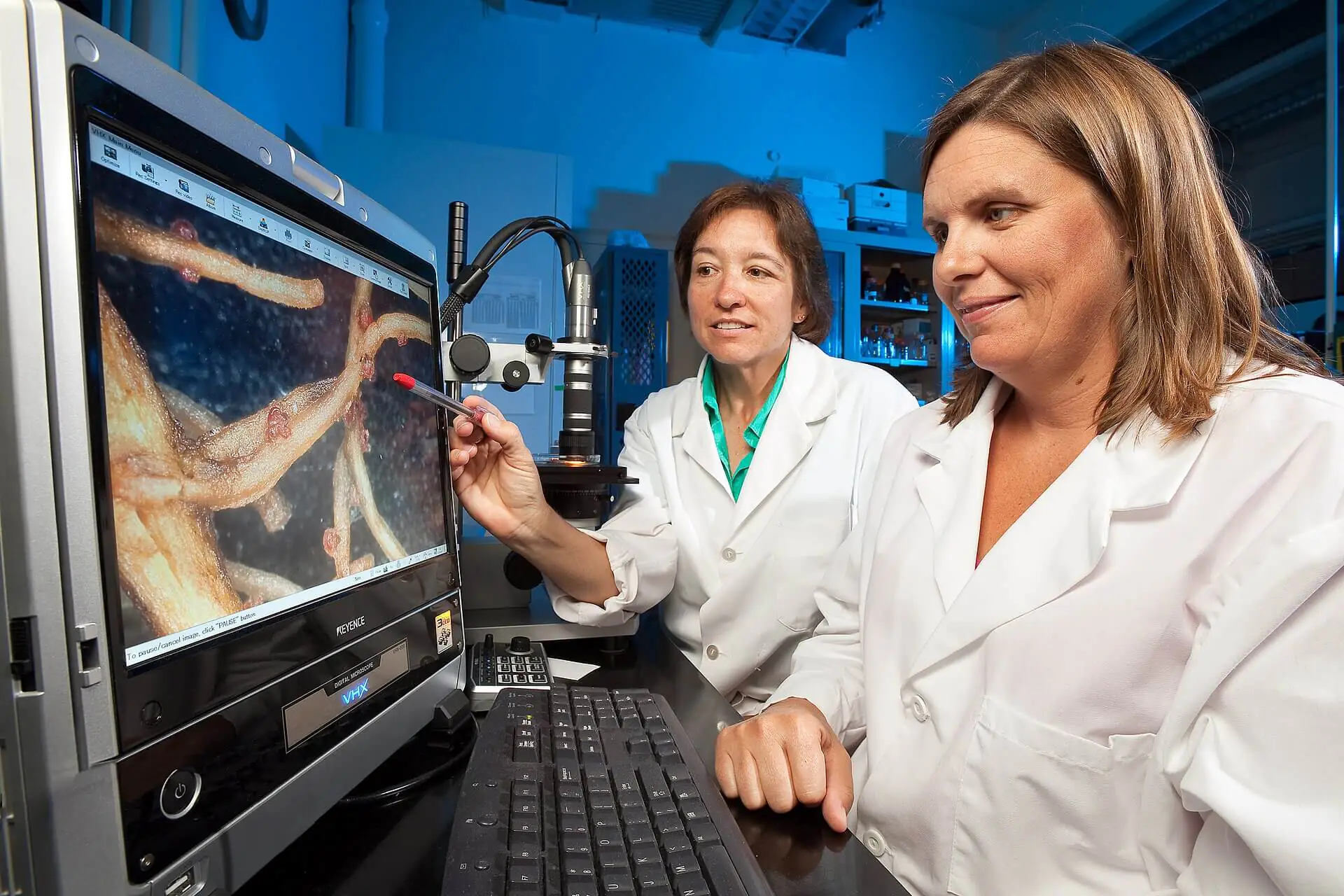
Researchers believe AI could dramatically speed up the identification of difficult-to-classify plants.
The technology is already being trained to recognise species such as sedges and peat mosses, whose distinguishing characteristics are often microscopic and challenging even for experts to identify.
“While documenting and protecting all life on Earth remain formidable challenges, digitisation and accompanying technologies make me increasingly hopeful that we’ll succeed,” said Antonelli.
He also highlighted the growing capabilities of machine learning.
“These AI models can sometimes now identify better than specialists – that’s incredibly exciting,” he said.
By accelerating species identification, AI could help scientists detect rare or threatened plants before they disappear.
Digitising Historic Collections Unlocks New Scientific Insights
Digitisation projects are making millions of preserved plant and fungal specimens available online for researchers worldwide.
Collections that were once accessible only through physical archives can now be studied remotely, improving collaboration and expanding access to biodiversity data, particularly in regions such as Madagascar.
Landy Rajaovelona, senior botanist at Kew Madagascar, explained the value of the initiative:
“Madagascar is one of the world’s most extraordinary biodiversity hotspots. By digitising [37,000 physical specimens], we’ve unlocked a treasure of knowledge spanning centuries, offering invaluable insights into today’s biodiversity.”
The Royal Botanic Gardens, Kew has now digitised all 7.4m of its specimens in its collection, including samples gathered by Charles Darwin. Worldwide, around 145m digital specimens are now available online, although this still represents less than 16% of all herbarium collections.
Climate Change Is Altering Flowering Times Worldwide
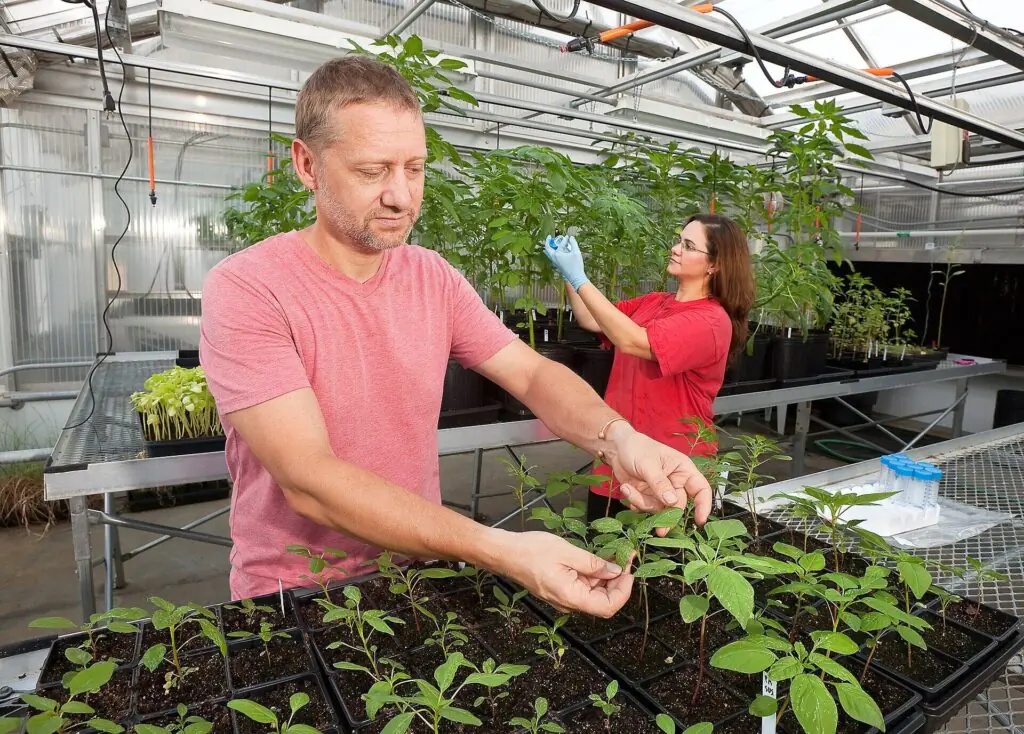
One study featured in the report used AI to analyse eight million digitised plant specimens and found that flowering times have shifted by an average of 2.5 days per decade over the past century.
Changes in rainfall patterns and rising global temperatures are causing some species to bloom earlier and others later than historically observed.
These shifts risk disrupting long-established ecological relationships between plants and the pollinators and wildlife that depend on seasonal timing. For example, research on kindal trees in India’s Western Ghats found synchronised flowering had fallen from 80% to less than half by the 1990s.
Historic Fungi Collections Could Become a “Genomic Goldmine”
Technological advances are also enabling scientists to recover valuable genetic information from extremely old fungal specimens.
Researchers can now generate high-quality genomes from samples collected up to 180 years ago, opening new opportunities to study disease evolution and discover future medicines.
The report describes these historic collections as a “genomic goldmine”, highlighting the enormous untapped scientific value of museum specimens. Fungi have already contributed to major medical breakthroughs, including the development of penicillin and statins.
Dr Esther Gaya, senior research leader at RBG Kew, warned that climate change may also be influencing fungal diseases.
“Fungi are very opportunistic and they love heat and humidity,” said Dr Esther Gaya, senior research leader at RGB Kew. “Some human pathogens seems to be spreading from warmer places as the hot season gets longer in temperate regions.”
AI Infrastructure Raises Environmental Concerns
Despite its scientific potential, AI also carries environmental costs.
The report notes growing concerns about the significant energy and water demands of large-scale AI systems and data centres. Recent reporting has shown that data centres account for an increasing share of electricity consumption in countries including the UK and the United States.
OpenAI chief executive Sam Altman previously commented:
“It also takes a lot of energy to train a human.”
Collaboration Needed to Maximise Conservation Benefits
The report, compiled by 400 scientists across 40 countries, concludes that AI and digitisation could significantly strengthen biodiversity conservation if supported by better data and international cooperation.
Researchers caution that these technologies could reinforce existing biases and inequalities if collections remain incomplete or geographically uneven. They call for greater investment in plant and fungi collections and stronger partnerships between governments, conservation organisations and technology companies to help safeguard Earth’s biodiversity before more species are lost forever.
Protecting Rare Butterflies and Their Habitats
At Natural World Fund, we recognise that safeguarding the world’s plants and fungi depends on a combination of habitat protection, scientific innovation and global collaboration. Advances in AI and digitisation are helping researchers identify species faster, unlock historic collections and better understand how climate change is reshaping ecosystems. By supporting science-led conservation and strengthening biodiversity data, we can help ensure that vital species are not lost before they are even discovered.
If you care about restoring native wildlife, support the work of Natural World Fund today.
Image sources
- Agriculture_Research_Service_(ARS)_(8412936988) by Stephen Ausmus. Cropped and resized from orignal: Wikipedia Commons
- Agriculture_Research_Service_(ARS)_(8411846933) by Stephen Ausmus. Cropped and resized from orignal: Wikipedia Commons