

Businesses and Biodiversity: Why Nature Protection Is Now a Business Imperative
Businesses risk extinction themselves unless they actively protect and restore the natural world. Scientists across the globe are warning that biodiversity loss is no longer just an environmental issue — it is a direct economic threat.
A major new global assessment outlines how companies can shift from nature-harming practices to nature-positive strategies that restore ecosystems, strengthen resilience, and secure long-term profitability. The findings come amid growing concern over accelerating nature loss in the UK and worldwide.
The IPBES Report: A Global Wake-Up Call for Business
The landmark assessment by Intergovernmental Science-Policy Platform on Biodiversity and Ecosystem Services (Ipbes) draws on contributions from leading scientists and has been approved by 150 governments.
According to co-author Matt Jones of the UN World Conservation Monitoring Centre, businesses can either lead the transition to nature-positive practices or “ultimately risk extinction… both of species in nature, but potentially also their own.”
The report makes one message clear: every business depends on nature — even those that appear disconnected from the environment. From clean water and fertile soil to pollination and climate regulation, nature provides essential services that underpin global supply chains and economic stability.
Biodiversity Loss: A Growing Financial and Operational Risk
Co-chair Professor Stephen Polasky warns that biodiversity loss is among the most serious threats facing business today. Yet paradoxically, current market systems often make it appear more profitable to degrade ecosystems than to protect them.
This “twisted reality” is driving unsustainable practices that threaten long-term growth, investment stability, and corporate resilience.
For UK businesses in particular, engagement with nature protection has shifted from a “nice-to-do” to a “must-do.” Investors, regulators, and customers increasingly expect measurable action on biodiversity and environmental impact.
Leigh Morris, International Director of The Wildlife Trusts, highlights the need for clear biodiversity metrics and practical toolkits so businesses can “get their own houses in order.”
Case Study: Steart Marshes, Somerset – Nature and Business Working Together
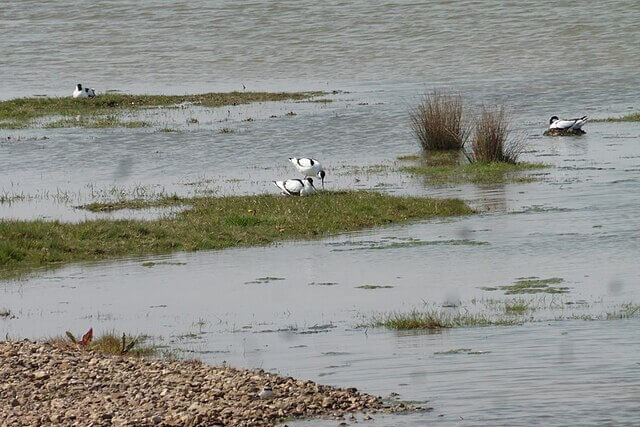
A powerful example of nature-positive action can be seen at Steart Marshes in Somerset.
Here, farmers and conservationists collaborate to manage land in ways that support both wildlife and agriculture:
- Cattle grazing helps create diverse habitats for birds, insects, and plant species.
- Wetland restoration enhances biodiversity while maintaining productive farmland.
- Engineered flood banks protect nearby villages from rising waters.
- Wetlands absorb carbon and reduce pollution, contributing to climate resilience.
Local farmer, Andy Darch, said the animals are helping in conservation.
“They are eating different types of grasses and trampling areas that are important for wildlife,” he said. “And because they are eating such a variety of plants, it produces a really high-quality beef at the end of the day.”
Managed by the Wildfowl and Wetlands Trust, the reserve demonstrates how farming and conservation can work hand-in-hand — delivering environmental, economic, and community benefits.
This model shows that restoring nature is not anti-business; it strengthens local economies, protects infrastructure, and builds long-term sustainability.
Alys Laver, from the Wildfowl and Wetlands Trust, which runs the nature reserve, said farming and conservation are working hand-in-hand.
“Not only are those flood banks an engineering marvel, they’re providing flood protection for the local villages,” she says.
“On the back of that we’re getting a product the farmers can utilise. So it’s not a loss of farming it’s just a change.”
What Is Driving Nature’s Decline?
The IPBES assessment identifies several systemic barriers preventing businesses from acting:
Harmful Subsidies
Large public subsidies continue to fund biodiversity-damaging activities, often reinforced by lobbying from businesses and trade associations.
Lack of Clear Measurement
There is widespread confusion around how companies measure their impacts and dependencies on nature. Without consistent biodiversity reporting standards, action remains fragmented.
Limited Corporate Disclosure
Currently, less than 1% of publicly reporting companies reference biodiversity impacts in their corporate disclosures — despite clear financial exposure to nature-related risks.
Why Nature Is a Boardroom Issue
Better stewardship of nature is not a distant environmental concern. It is a core governance issue for every boardroom.
Nature loss directly affects:
- Supply chain stability
- Food and water security
- Insurance and infrastructure risk
- Brand reputation and investor confidence
- Regulatory compliance
Businesses that embed biodiversity into strategy, reporting, and operations will be better positioned to manage risk, attract investment, and remain competitive in a rapidly changing regulatory and environmental landscape.
The Path Forward: From Nature-Risk to Nature-Positive
The transition to a nature-positive economy requires:
- Clear biodiversity metrics and science-based targets
- Transparent reporting and accountability
- Reform of harmful incentives and subsidies
- Collaboration between business, conservation organisations, and local communities
Protecting and restoring nature is not just an environmental responsibility — it is a business survival strategy.
At Natural World Fund, we believe that supporting nature restoration projects across the UK is essential for building resilient ecosystems, thriving communities, and sustainable businesses for generations to come.