

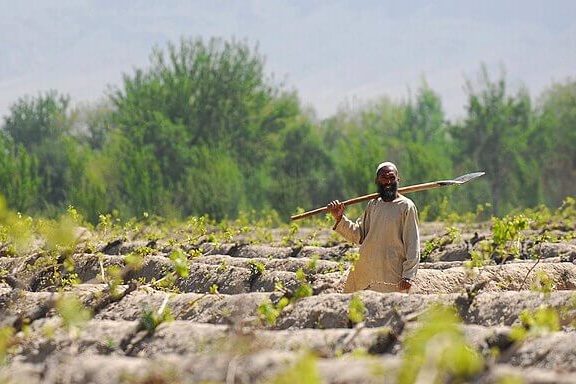
Global Heating Is Increasing the Risk of Hunger Worldwide
The climate crisis is set to place growing pressure on food systems across the world — but the impact will not be shared equally.
New research shows that the number of countries facing critical food insecurity could almost triple to 24 if global temperatures rise by 2°C above preindustrial levels.
The findings highlight how climate change and food insecurity are becoming increasingly linked, with the greatest risks falling on countries that have contributed least to global greenhouse gas emissions.
Climate Change Is Hitting Poorer Nations Hardest
The analysis, carried out by the International Institute for Environment and Development (IIED), found that low-income countries are likely to experience far more severe food system disruption than wealthier nations.
While global heating increases the risk of food insecurity everywhere, food systems in poorer countries are projected to deteriorate seven times faster than those in high-income nations.
This means the global food security gap between the most and least vulnerable countries is likely to widen as the climate crisis intensifies.
Ritu Bharadwaj, a researcher for the IIED and author of the study, said: “Countries already facing poverty, fragility and limited safety nets are projected to see the fastest deterioration in food systems, despite having contributed the least to global emissions.
“Today, nearly 59% of the world’s population already lives in countries with below average food security, and our projections show that climate change is likely to widen this gap.”
This can be prevented, Bharadwaj said, by “strengthening social protection systems that can respond quickly to climate shocks, investing in climate resilient agriculture and improving water and soil management”.
She added: “Food systems today are deeply interconnected. Climate shocks in one major producing region can ripple through global supply chains and trigger price volatility elsewhere. Even if high-income countries remain relatively food secure, they will not be insulated from the impacts of climate instability on global food markets.”
What the Food Security Index Reveals
To assess the scale of the threat, the IIED created a Food Security Index covering 162 countries.
The index measures the vulnerability of a country’s entire food system and estimates how it could be affected under three climate scenarios:
- 1.5°C of warming
- 2°C of warming
- 4°C of warming
The research provides a broader picture of how climate breakdown affects food systems, showing that hunger is not only about food production — it is also about access, health, affordability and long-term resilience.
The Four Pillars of Food Security Under Threat
The IIED’s analysis examined four key pillars of food security:
1. Food Availability
This refers to whether enough food is being produced or supplied.
2. Food Accessibility
This measures whether people can afford and physically access food.
3. Food Utilisation
This looks at whether people can safely and effectively use food for good nutrition, including access to clean water, sanitation and healthcare.
4. Food System Sustainability
This assesses whether food systems can continue functioning over time without being undermined by environmental damage.
The research found that utilisation and sustainability are the most climate-sensitive pillars, meaning they are likely to be affected first and most severely.
How Climate Change Damages Food Security
One of the most alarming findings is that climate change does not only reduce food production — it can also make people more vulnerable to malnutrition and hunger even when food is physically available.
As climate impacts worsen, countries are expected to face increasing strain on:
- water supplies
- sanitation systems
- public health infrastructure
- local food markets
- food affordability
This means climate breakdown can create a chain reaction across the entire food system, pushing up prices, disrupting supply and reducing people’s ability to access nutritious food.
Countries Most at Risk of Climate-Driven Hunger
Some of the countries projected to be most severely affected by climate-related food insecurity include:
- Somalia
- Democratic Republic of the Congo
- Afghanistan
- Haiti
- Mozambique
Under a 2°C warming scenario, food insecurity in these countries could rise by more than 30%, increasing the risk of acute hunger crises and famine.
By contrast, the projected increase in food insecurity across high-income countries is just 3% on average.
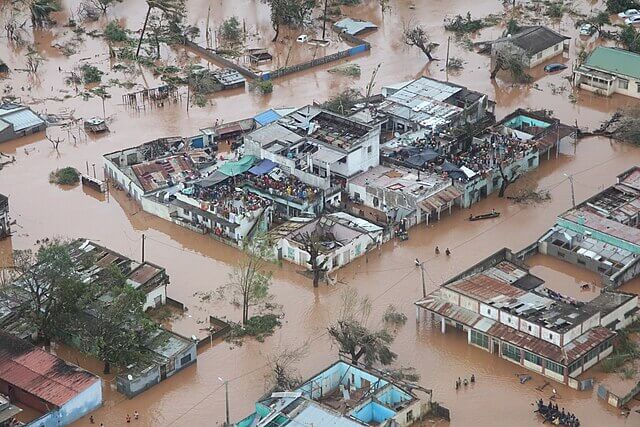
Low-Income Countries Face the Biggest Burden
Across low-income countries as a whole, the study projects that food insecurity could rise by an average of 22% under a 2°C global heating scenario.
This sharp contrast underlines one of the greatest injustices of the climate crisis: the countries facing the most serious consequences are often those least responsible for causing it.
Low-income nations account for just 1% of global emissions, while high-income and upper-middle-income countries are responsible for more than 80%.
“High-income countries will experience massive agricultural shocks, but they have the wealth to buy their way out of a domestic crop failure on the global market,” Bharadwaj said.
She also referenced a report by British intelligence chiefs about threats to the country’s national security from the climate crisis, saying: “If fragile and conflict-affected states face a systemic collapse, the result is massive global instability, state collapse, and forced migration. That is the national security threat the defence chiefs have warned about.”
Climate Justice and Global Food Security
The findings reinforce the urgent need to view food insecurity as both an environmental and social justice issue.
As temperatures rise, climate change is expected to place growing pressure on communities already facing poverty, conflict, water scarcity and fragile infrastructure.
Without stronger action to cut emissions, protect ecosystems and build more resilient food systems, millions more people could face worsening hunger in the years ahead.
Why This Matters for Nature and People
Food security depends on healthy natural systems.
Stable climates, fertile soils, reliable rainfall, pollinators, forests, rivers and oceans all play a vital role in supporting the world’s food supply. When ecosystems are degraded or destabilised by climate change, the consequences are felt directly by people.
Protecting nature is therefore not separate from tackling hunger — it is a key part of the solution.
A Growing Warning From the Climate Crisis
This research is a stark reminder that every fraction of a degree of warming matters.
At 1.5°C, the risks are already serious. At 2°C, they become far more dangerous. At 4°C, many food systems could face severe and lasting disruption.
The message is clear: the climate crisis is also a food crisis, and urgent action is needed now to protect both people and the natural systems we all depend on.
At Natural World Fund, we know that climate change is not only a threat to wildlife and ecosystems — it is also a growing threat to people’s ability to access safe, nutritious food. Protecting nature, restoring ecosystems and tackling the climate crisis are all essential to building a fairer, more resilient future for communities around the world.
If you care about restoring native wildlife in the UK, support the work of Natural World Fund today.
Image sources
- Flooding_aftermath_of_Cyclone_Idai,_Mozambique_(9410) (1): Wikipedia Commons
- A_Farmer_works_in_the_fields_in_Afghanistan (1): Wikipedia Commons