

Burning Wood for Energy May Be Worse Than Fossil Fuels, New Research Warns
New scientific research has revealed that burning wood for electricity generation could be even more damaging to the climate than burning fossil gas — even when carbon capture and storage (CCS) technology is used.
The findings raise serious concerns over government support for biomass energy projects linked to carbon capture, including plans in the UK to subsidise Bioenergy with Carbon Capture and Storage (BECCS) as part of net zero climate strategies.
What Is BECCS and Why Is It Controversial?
BECCS, or Bioenergy with Carbon Capture and Storage, is promoted as a low-carbon energy solution that burns wood or biomass to generate electricity while capturing the resulting carbon dioxide emissions underground.
Supporters claim the process can create “negative emissions” because newly planted forests absorb carbon dioxide from the atmosphere as they grow. Governments have presented BECCS as a replacement for coal and gas-fired power stations capable of providing reliable baseload electricity.
However, new research published in the journal Nature Sustainability challenges these claims and suggests the climate benefits may take far longer to materialise than previously believed.
Tim Searchinger, a senior research scholar at Princeton University, who led the study, said: “Governments should not subsidise burning wood from existing forests, with or without carbon capture and storage. Doing so will increase carbon emissions for decades, even compared with doing nothing, and greatly raise people’s energy prices.
“Governments should reform laws that declare the carbon emitted from smokestacks by burning wood somehow doesn’t count – in other words, does not add to global warming. It does.”
Research Finds Biomass Emissions Could Last for 150 Years
Scientists from the US, UK, and China used advanced climate and land-use modelling to assess the true carbon impact of wood-burning power stations fitted with carbon capture systems.
Their findings show that BECCS projects could take up to 150 years to become genuinely “carbon negative”.
A major reason is the slow regrowth of forests used for biomass fuel. Cutting down trees releases vast amounts of stored carbon immediately, while replacement forests can take decades — or even centuries — to absorb equivalent levels of carbon dioxide.
The study also highlighted the environmental damage caused when savannahs, pastureland, or agricultural land is converted into biomass plantations.
Burning Wood Produces High Carbon Emissions
Researchers found that most emissions linked to biomass electricity occur before the wood even reaches the power station. These emissions include:
- Tree harvesting
- Wood processing
- Transportation
- Land-use changes
- Forest destruction
Because these emissions happen upstream, they cannot be captured by carbon capture systems at the power plant.
The study further found that burning wood can emit up to twice as much carbon dioxide per unit of energy as fossil gas, while producing energy far less efficiently.
Old-Growth Forests and Biomass Plantations Both Raise Concerns
The research warned that sourcing wood from existing forests — especially old-growth forests — creates severe environmental and climate risks.
Even when scientists assumed that half the biomass came from forestry waste and the other half from fast-growing plantations, the models still showed that achieving negative emissions could take decades.
This challenges claims that biomass energy is automatically renewable or climate-friendly.
Douglas Parr, the chief scientist at Greenpeace UK, said: “Common sense tells you that cutting down trees to burn them and then burying the resulting carbon emissions is a bad idea. This scientific study confirms that. Removing trees from one country to balance our carbon budget in the UK leaves the whole world poorer.”
Pressure Mounts on UK Biomass Industry
Environmental campaigners say the findings strengthen the case for ending large-scale wood-burning power generation.
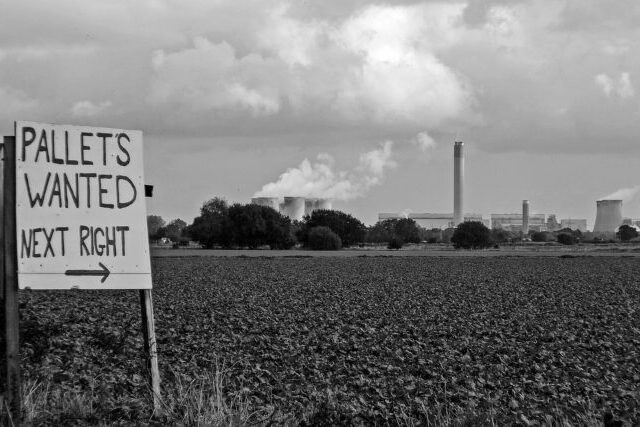
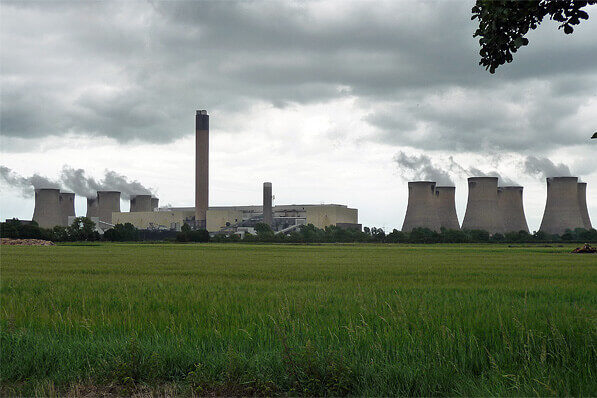
The UK’s largest biomass power station, Drax, has become a central focus of criticism. The plant is currently one of the UK’s single largest sources of carbon dioxide emissions.
Recent estimates suggest Drax received close to £1 billion in subsidies last year for burning imported wood pellets.
Matt Williams, senior forest advocate at the Natural Resources Defense Council, said the latest study reinforces earlier warnings about the climate impact of biomass energy.
“The UK is better off without BECCS,” he said. “We need to find other genuinely clean sources of power that do not rely on imported fuels.”
Drax Delays Investment in Carbon Capture Technology
Drax has reportedly paused investment in its planned BECCS projects due to uncertainty over future government subsidies and support mechanisms.
A Drax spokesperson said: “We agree that biomass for BECCS and bioenergy should not be sourced in the way described in the paper, which assumes all of the harvest is used for BECCS or bioenergy. We only source from well-managed, sustainable forests including sawmill residues, low-grade roundwood and forest residues.
“We also recognise the need for our biomass to deliver positive outcomes for climate and nature, which is why we monitor the forests we source from and invest in tools to enhance supply chain transparency, such as our biomass tracker.”
They added: “We are not aware of any managed forest areas where the type of harvesting described in the paper would be economically viable for land managers, much less the BECCS and bioenergy industry. Existing BECCS methodologies – including our own – have strict sustainability requirements in place which would not allow material harvested in the manner described to be used for the generation of verified carbon removal credits.”
Meanwhile, industry representatives argue that the UK’s pathway to achieving net zero emissions by 2050 still relies heavily on carbon capture technologies, including BECCS.
Trevor Hutchings, chief executive of the Renewable Energy Association, stated that carbon capture remains an important part of current government climate strategies.
“The paper highlights many of the complexities and risks around BECCS, yet it’s important to recognise that, without BECCS and other forms of negative emissions, we will not achieve our legally binding net zero targets,” Hutchings said.
He added: “It is clear that BECCS lifecycle emissions depend heavily on feedstock choice, with wastes, residues and other biogenic sources offering materially different outcomes. The focus should be on deploying BECCS sustainably within a wider renewable energy system that delivers emissions reductions, energy security and affordability.”
A spokesperson for the Department for Energy Security and Net Zero rejected the report’s findings. “We do not recognise these claims,” they said. “No final decisions around the deployment of large-scale bioenergy with carbon capture and storage projects have been made, and any support would need to provide value for money for taxpayers and meet our sustainability criteria.”
Is Biomass Energy Truly Renewable?
The growing debate around biomass electricity raises wider questions about whether burning forests for power can genuinely be considered sustainable or renewable.
Critics argue that protecting existing forests, restoring ecosystems, and investing in truly clean renewable energy sources such as wind and solar may provide faster and more effective climate solutions than relying on wood-burning power stations with uncertain carbon capture promises.
Support UK Rewilding Efforts
At Natural World Fund, we support evidence-based climate solutions that genuinely reduce emissions and protect natural ecosystems. Emerging research shows that large-scale biomass energy and forest destruction may carry significant hidden carbon costs, raising important questions about the long-term sustainability of wood-burning power generation. That’s why we advocate for stronger forest protection, investment in truly renewable energy sources, and nature-led climate action that safeguards biodiversity while accelerating the transition to a low-carbon future. By supporting environmental restoration and science-driven policy, we’re working to protect the natural world for generations to come.
If you care about restoring native wildlife in the UK, support the work of Natural World Fund today.
Image sources
- Power station, Drax (2) – geograph.org.uk – 2714432 by Stephen Richards. Cropped and resized from original.: Wikipedia Commons
- New source of fuel for Drax Power Station? by Tim Green. Cropped and resized from original: Wikipedia Commons