
Endangered Dunlin Found Breeding in Cumbrian Peat Bogs
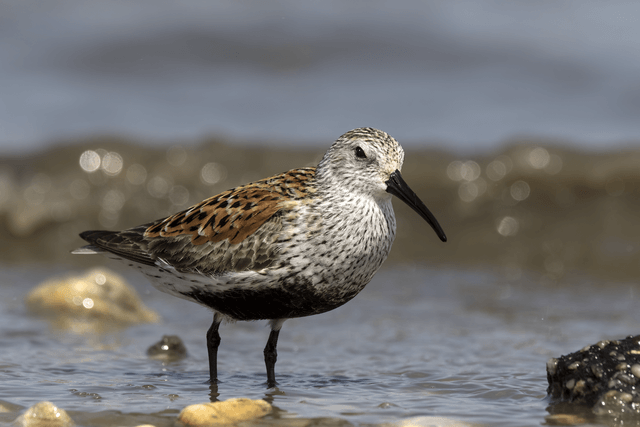
A rare and endangered wading bird has been successfully breeding in the peat bogs of the Cumbrian Pennines, according to a recent survey by the RSPB.
Researchers confirmed the presence of dunlin chicks at High Helbeck Estate near Brough, marking an important conservation milestone for one of the UK’s most threatened upland birds.
Why the Dunlin Is One of the UK’s Rarest Wading Birds
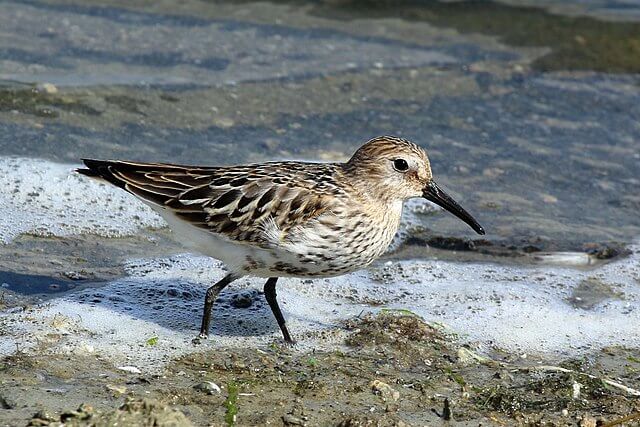
The dunlin, a small wader about the size of a starling, has seen a sharp population decline since the early 2000s. With only around 800 breeding pairs remaining in the UK, the species is now listed as Near Threatened on the International Union for Conservation of Nature Red List.
Its survival is closely tied to healthy peatland habitats, making upland restoration projects vital for its future.
High Helbeck Estate: A Conservation Success Story
The discovery is the result of years of habitat restoration work by landowners Nicolete and Ben Blackett-Ord, in partnership with RSPB conservation specialists.
Working alongside senior conservation officer Dr Elisabeth Charman, the estate has focused on improving peat bog condition and understanding the dunlin’s habitat needs.
Nicolete Blackett-Ord described the find as “particularly special”, saying the results of long-term conservation efforts were “extremely rewarding.”
How the Breeding Dunlin Were Discovered
To monitor this remote upland landscape, survey teams used a combination of:
- Traditional field surveys
- Motion-activated cameras
- Acoustic recording devices
- Drone mapping technology
Between May and July, 14 separate survey areas were studied. The team captured rare footage of dunlin chicks feeding in bog pools — clear evidence of successful breeding.
The Importance of the North Pennines for Wildlife
The North Pennines is one of the RSPB’s priority conservation landscapes. Its blanket bogs and upland habitats are crucial for many declining bird species.
This latest success highlights how targeted peatland restoration and collaborative land management can help reverse biodiversity loss.
Peatland Restoration and the Future of Upland Birds
Years of careful land management at High Helbeck have:
- Improved peatland health
- Created suitable breeding conditions
- Increased understanding of dunlin distribution
The project demonstrates how nature recovery on working land can deliver measurable results for endangered species.
A Positive Step for Nature Recovery in the UK
The return of breeding dunlin to the Cumbrian uplands offers real hope for the species and for wider peatland conservation efforts.
It also shows the power of long-term partnerships between conservation organisations and committed landowners to restore some of the UK’s most fragile habitats.
“Until now, there has been no large-scale coordinated survey of dunlin across this landscape, leaving major gaps in conservation knowledge,” the charity said.
It also said dunlin breeding in the North Pennines had “undertaken an astonishing annual migration, travelling thousands of miles to winter in West Africa”.
The decline in breeding numbers was “likely due to declines in habitat quality”, it added.
At Natural World Fund, the return of breeding dunlin to restored peatlands shows how targeted conservation and long-term habitat recovery can help reverse nature’s decline. Healthy bogs are vital for rare upland wildlife, carbon storage and water regulation, yet they remain fragile and under pressure. By investing in peatland restoration and working with land managers and conservation partners, we can secure a future for species like the dunlin while strengthening the resilience of the wider natural world.