

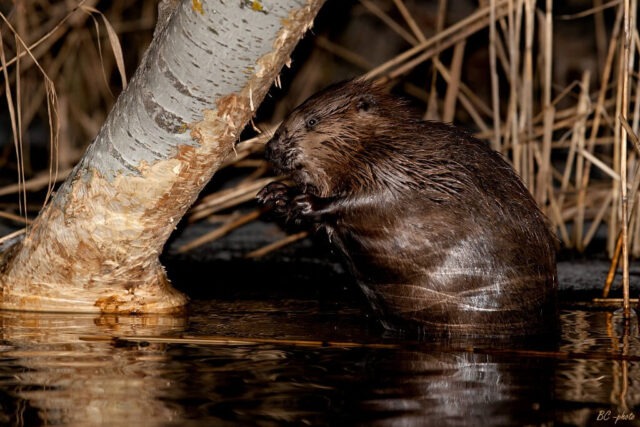
Ealing Beavers Help Prevent Flooding and Boost Biodiversity as New Kits Are Born
A thriving colony of reintroduced beavers in west London is not only transforming local wildlife habitats but also helping to reduce flooding, with Greenford railway station avoiding flood damage for three consecutive years.
The success of the Ealing Beaver Project highlights how beavers can restore natural ecosystems, improve flood resilience and increase biodiversity, while the recent arrival of new beaver kits marks another milestone in the species’ return to England.
Beavers Help Protect Greenford Station From Flooding
According to the Ealing Beaver Project, Greenford station has not experienced flooding since the beavers were reintroduced to Paradise Fields in 2023.
The colony slows the movement of water during periods of heavy rainfall by constructing dams and creating wetlands that naturally store water. This reduces the volume and speed of water flowing downstream, easing pressure on local drainage systems.
Sean McCormack, a veterinarian and conservationist with the project, explained how dramatically the landscape has changed.
“They’re slowing the flow when we have heavy rainfall events.
“They’re sinking the flow as well into the ground because the ground here is wetter, even surrounding the river itself, and they’re creating these complex wetlands that basically draw down that water and hold it for longer,”
He added:
“Now it takes hours for it to percolate through each dam and it’s worked. The second winter that they were here, there was no flooding downstream.
“Third winter which has just passed, no flooding has occurred in that targeted zone downstream.”
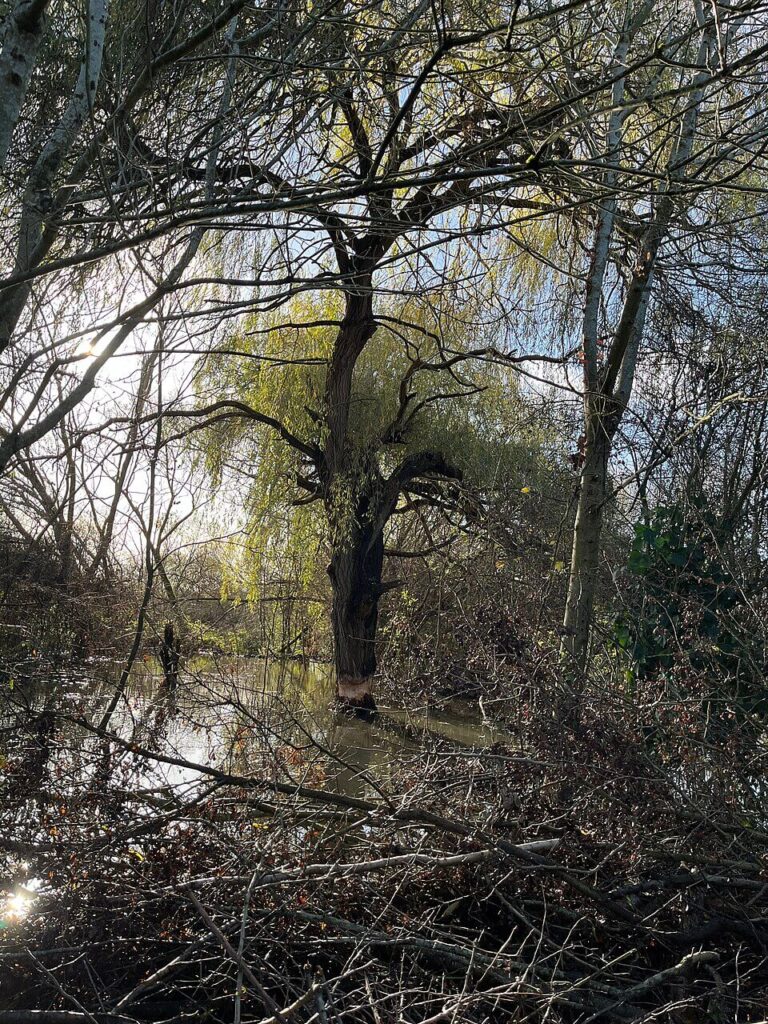
Nature’s Engineers Transforming the Landscape
Beavers were hunted to extinction in Britain centuries ago for their fur, meat and scent glands. Their return is increasingly being recognised as an important conservation success, with the animals often described as “nature’s engineers” because of the way they reshape rivers and wetlands.
The colony at Paradise Fields now numbers around eight beavers and continues to thrive, demonstrating how rewilding projects can deliver benefits for both people and wildlife.
By building dams, beavers create a network of ponds and wetlands that slow water flow, improve water quality, increase groundwater recharge and create valuable habitats for countless other species.
New Beaver Kits Delight Local Residents
The project is also celebrating the birth of at least two new beaver kits this year.
The young beavers have been emerging during the evening, attracting local residents to Paradise Fields, where many have gathered with cameras to watch the family after dark.
Speaking about the experience, Sean McCormack said:
“I’m a hardened scientist, but it’s even warmed the cockles of my heart.”
He continued:
“They are super, super cute. The first one came out last week and it was being rolled around by mum, and she was almost dunking it in the water to get it waterlogged, because they’re really fluffy and buoyant when they first come out.
“It was just amazing to see that interaction.”
Biodiversity Flourishes Around the Restored Wetland
The ecological benefits of the project extend well beyond the beavers themselves.
Nadya Mirochnitchenko, an ecologist working on the project, said wildlife around the brook has increased significantly since the animals returned.
She said:
“We have seen an explosion in terms of the invertebrates that are coming here.”
She added:
“We’re seeing more birds coming to the site, and we have recorded at least two new bat species.
“It’s been really great to watch this neglected site, that was being overshaded and choked out, starting to open up and get more biodiversity.”
The expanding wetlands are now providing habitat for insects, birds, bats and many other freshwater species, demonstrating the important role beavers play as a keystone species within healthy ecosystems.
Why Beaver Reintroductions Matter
As climate change increases the frequency of extreme rainfall and flooding, nature-based solutions are becoming an increasingly important part of flood management.
Beaver-created wetlands can naturally store water, reduce downstream flooding, improve water quality and restore habitats for wildlife, offering a sustainable complement to traditional flood defences.
Restoring Nature and Native Wildlife
At Natural World Fund, we support habitat restoration and rewilding projects that strengthen biodiversity while helping communities become more resilient to climate change. Protecting and restoring natural ecosystems benefits both wildlife and people for generations to come.
If you care about restoring native wildlife, support the work of Natural World Fund today.
Image sources
- Beaver_activity,_Paradise_Fields_-_geograph.org.uk_-_8200061 by Ajay Tegala. Cropped and resized from original: Wikipedia Commons
- Castor_fiber_1_(Bohuš_Číčel) by Bohuš Číčel. Cropped and resized from original: Wikipedia Commons