

Emperor Penguins Face Extinction Threat as Antarctic Ice Melts
The rapid loss of Antarctic sea ice is pushing emperor penguins towards extinction, with the International Union for Conservation of Nature (IUCN) now officially classifying the species as endangered. The decision follows repeated mass die-offs of chicks caused by collapsing ice habitats linked to the climate crisis.
Emperor penguins depend on stable “fast ice”—sea ice attached to the Antarctic coastline—for most of the year. This frozen platform is essential for breeding, raising chicks, and adult moulting cycles.
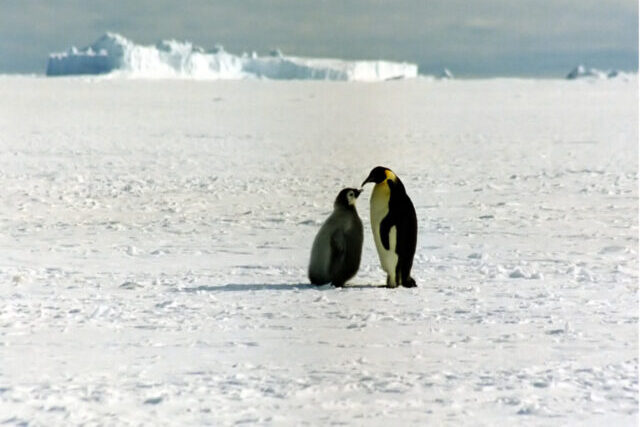
As global temperatures rise, Antarctic sea ice has reached record lows since 2016. When ice breaks apart too early, entire breeding colonies can be lost. Chicks, which have not yet developed waterproof feathers, fall into the ocean and drown or freeze—leading to devastating wildlife losses.
Colony Collapse and Population Decline
The impact of climate change on emperor penguins is already severe. In 2022, four out of five breeding colonies in the Bellingshausen Sea collapsed, resulting in the deaths of thousands of chicks. A similar event occurred in the Weddell Sea in 2016.
Scientists have described these catastrophes as “extraordinarily distressing,” highlighting the growing threat to Antarctic biodiversity. Current estimates place the global emperor penguin population at around 595,000 adults, already down by 10% between 2009 and 2018.
Projections suggest numbers could fall by more than 50% by the 2080s if sea ice loss continues unchecked.
Climate Change Driving Wider Antarctic Wildlife Decline
The crisis extends beyond penguins. The IUCN reports that Antarctic fur seals have also been pushed to endangered status, with populations halving since 2000. Rising ocean temperatures are forcing krill—the foundation of the Antarctic food chain—into deeper, colder waters, reducing food availability for marine wildlife.
At the same time, southern elephant seals are now listed as vulnerable following devastating bird flu outbreaks that have killed large numbers of pups across major colonies.
“The emperor penguin’s move to endangered is a stark warning: climate change is accelerating the extinction crisis before our eyes,” said Martin Harper, the chief executive of BirdLife International, which coordinated the IUCN assessment. “Governments must act now to urgently decarbonise our economies.”
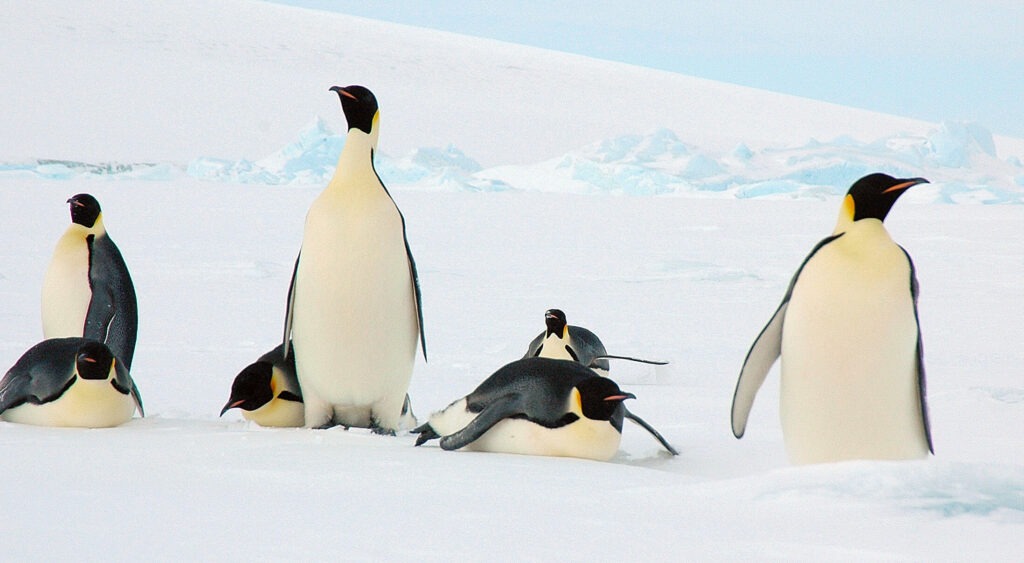
The marine ecologist Dr Philip Trathan, who worked on the emperor penguin red list analysis, said: “Human-induced climate change poses the most significant threat. Early sea ice breakup is already affecting colonies around the Antarctic, and further changes in sea ice will continue to affect their breeding, feeding and moulting habitat. Emperor penguins are a sentinel species that tell us about our changing world and how well we are controlling greenhouse gas emissions that lead to climate change.”
Dr Peter Fretwell, a scientist at the British Antarctic Survey, was part of the team that reported the colony collapses in the Bellingshausen Sea in 2022. “It’s a grim story,” he said then. “I was shocked. It’s very hard to think of these cute fluffy chicks dying in large numbers.”
Dr Barbara Wienecke, of the Australian Antarctic Division, said of the same colony collapses: “It’s horrendous and I find it extraordinarily distressing to think of this happening.”
Protecting Antarctic Ecosystems from Further Damage
Conservation groups, including World Wide Fund for Nature (WWF), are calling for stronger protections.
Rod Downie, chief advisor, polar and oceans at WWF-UK, said: “With the shocking decline in Antarctic sea ice we are currently witnessing, these icons on ice may well be heading down the slippery slope towards extinction by the end of this century – unless we act now. The fate of these magnificent birds is in our hands.”
Proposals include designating emperor penguins as a specially protected species under the Antarctic Treaty to limit additional pressures such as tourism and shipping.
However, experts agree that the most critical action is reducing global greenhouse gas emissions. Without urgent climate action, the loss of sea ice will continue to destabilise Antarctic ecosystems and threaten countless species.
A Critical Moment for Wildlife and the Climate
The plight of emperor penguins highlights the direct link between climate change and wildlife survival. As polar ecosystems rapidly transform, species that rely on stable ice conditions are among the most vulnerable.
Protecting these iconic animals means addressing the root causes of climate change while safeguarding the fragile habitats they depend on—before irreversible damage is done.
At Natural World Fund, we recognise that the survival of species like the emperor penguin depends on the protection of fragile ecosystems and urgent action on climate change. Antarctic wildlife is a powerful indicator of the planet’s health, and the loss of sea ice is a clear warning of the pressures facing nature worldwide. By supporting conservation efforts, advocating for stronger environmental protections, and addressing the root causes of climate change, we can help safeguard vulnerable species and preserve the delicate balance of life in some of the Earth’s most extreme environments.
If you care about restoring native wildlife in the UK, support the work of Natural World Fund today.
Image sources
- 2007 Snow-Hill-Island Luyten-De-Hauwere-Emperor-Penguin-48 by Denis Luyten. Cropped and resized from original: Wikipedia Commons
- Emperor(Aptenodytes forsteri) chick with parent edit by Brocken Inaglory. Resized from original.: Wikipedia Commons