


New Research Highlights the Environmental Cost of High Consumption
The world’s highest-consuming 10% of people are responsible for environmental damage worth as much as $5.7 trillion (£4.2 trillion) every year, according to new research. The figure is larger than the entire economies of every country except the United States and China, highlighting the enormous environmental cost of unsustainable consumption.
Researchers say the findings demonstrate how current economic systems continue to place immense pressure on the planet’s ecosystems while failing to account for the true cost of environmental degradation.
Global North Accounts for Most Environmental Damage
The study found that the majority of these high-consuming individuals live in wealthier nations, with more than half of the population in the United States and around 40–45% of people across the European Union falling into the global top 10% of consumers.
Researchers described the scale of the environmental damage as exceeding the global funding shortfalls needed to address both climate change and biodiversity loss, suggesting that economic priorities remain heavily weighted towards activities that damage the Earth’s natural systems.
Food and Energy Are the Biggest Drivers
The research identified two major sources of environmental damage:
- High levels of food consumption, particularly red meat, which is a leading driver of deforestation and habitat destruction.
- Energy use, including air travel, heating and cooling homes, much of which still depends on fossil fuels such as coal, oil and natural gas.
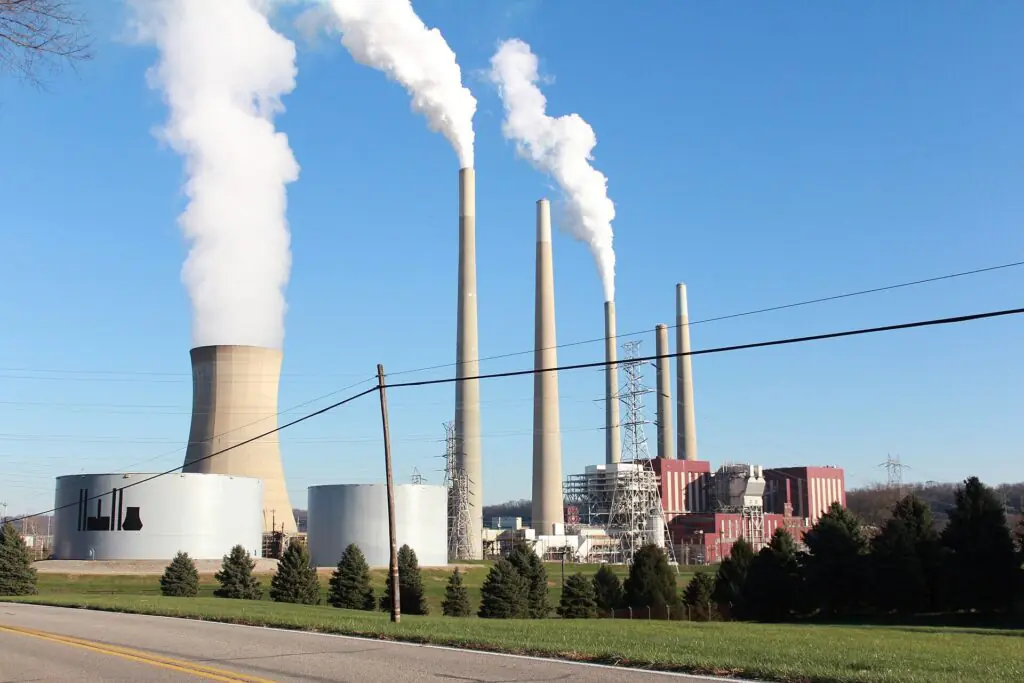
These activities contribute significantly to greenhouse gas emissions, biodiversity decline, freshwater depletion and pollution.
Biodiversity Loss Makes Up the Largest Share of the Damage
The research, carried out by scientists from the University of Oxford and the University of Leiden, estimated the financial costs associated with four major environmental pressures:
- Climate change
- Biodiversity loss
- Nutrient pollution
- Freshwater use
Biodiversity loss accounted for the largest proportion of the global environmental damage bill, representing 47–56% of the total. Climate change contributed a further 36–45%.
The researchers argue that these findings reinforce the need to tackle the climate and biodiversity crises together rather than treating them as separate environmental challenges.
Environmental Costs Rise Sharply for the Wealthiest
According to the study, the average annual environmental damage caused by someone in the global top 10% of consumers ranges between $2,300 and $7,500.
For individuals in the United States, however, the estimated annual damage rises dramatically to between $19,000 and $63,000 per person.
The report also notes that high-consuming households in emerging economies are rapidly increasing their environmental impact. In fact, the average environmental damage associated with China’s wealthiest 10% has now surpassed that of Germany’s top 10%.
Study Suggests the True Cost Is Even Higher
Published in Communications Sustainability, the study warns that the true environmental cost is likely to be significantly greater than current estimates.
The calculations only include four of the nine recognised planetary boundaries and measure direct consumer spending, excluding the environmental impacts associated with investments.
Paul Behrens, a British Academy global professor at the Oxford Martin school and co-author of the study, said:
“If anything, these numbers are conservative. The bill leaves out the emissions tied to wealthy people’s investments.”
He added:
“Research has shown that a large proportion of a rich person’s carbon footprint comes from what they own, not how they live; meaning their stocks, bonds and other assets.”
Investments Also Play a Major Role
The findings follow a recent Greenpeace study estimating that investments owned by the world’s richest 1% are linked to around a quarter of global greenhouse gas emissions, contributing almost $1 trillion in climate-related damage each year.
The researchers argue that investment portfolios, alongside personal consumption, should play a greater role in discussions about environmental responsibility.
Polluter-Pays Taxes Could Help Fund Climate Action
The report concludes that governments could reduce emissions and environmental damage by applying the polluter-pays principle to high-consuming households.
Potential measures include taxes on:
- Luxury goods
- Wealth
- Carbon emissions
The researchers suggest these policies could generate significant revenue to support the transition towards more sustainable economies while also helping reduce inequality.
The authors said:
“The scale of the damage bill illustrates the potential revenue if polluter-pays principles were applied to high-consuming groups.”
Behrens added:
“The top 10% are important not only because they cause the most damage but also because they hold the most leverage to reduce it.
“They often have outsized agency, not only individually as consumers but also as investors, employers, trend makers, and market shapers. Their power to cut emissions is even larger than their share of them.
“The people in the top 10% should be braver and more courageous in making sure we have a future we can … thrive in.”
Why This Research Matters
The study highlights the growing importance of addressing excessive consumption alongside climate action. While individual lifestyle changes remain important, the findings suggest that targeting the highest-consuming households could deliver disproportionately large environmental benefits.
With biodiversity loss and climate change closely interconnected, experts say policies that reduce emissions, protect ecosystems and encourage more sustainable patterns of consumption will be essential to safeguarding the planet for future generations.
Supporting Climate and Nature Recovery
At Natural World Fund, we recognise that tackling climate change and biodiversity loss requires action at every level of society. Scientific research continues to show that protecting habitats, reducing emissions and promoting more sustainable lifestyles are essential for the health of people and nature alike.
By supporting conservation projects, environmental education and practical sustainability initiatives, we can help restore ecosystems, protect wildlife and build a more resilient future. Every positive action, from reducing waste to supporting habitat restoration, contributes to safeguarding the natural world for generations to come.
Supporting Climate and Nature Recovery
At Natural World Fund, we recognise that tackling climate change and biodiversity loss requires action at every level of society. Scientific research continues to show that protecting habitats, reducing emissions and promoting more sustainable lifestyles are essential for the health of people and nature alike. By supporting conservation projects, environmental education and practical sustainability initiatives, we can help restore ecosystems, protect wildlife and build a more resilient future. Every positive action, from reducing waste to supporting habitat restoration, contributes to safeguarding the natural world for generations to come.
If you care about restoring native wildlife, support the work of Natural World Fund today.
Image sources
- Miami_Fort_Power_Station by FunksBrother. Cropped and resized from original.: Wikipedia Commons
- Taxiing_aeroplane_at_London_City_Airport_-_2026-04-12 by Matt Brown. Cropped and resized from original: Wikipedia Commons