

How to Help the Gatekeeper Butterfly Thrive in UK Gardens
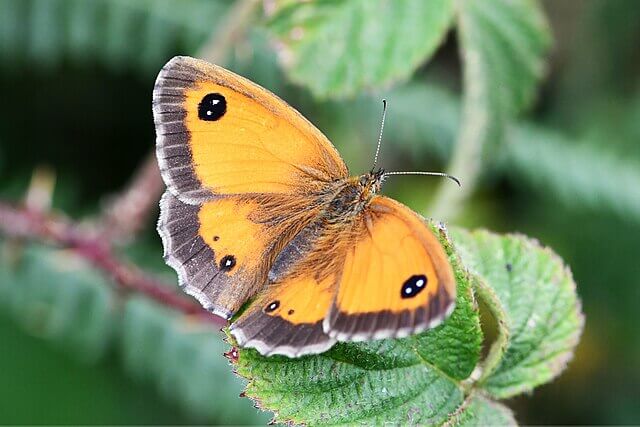
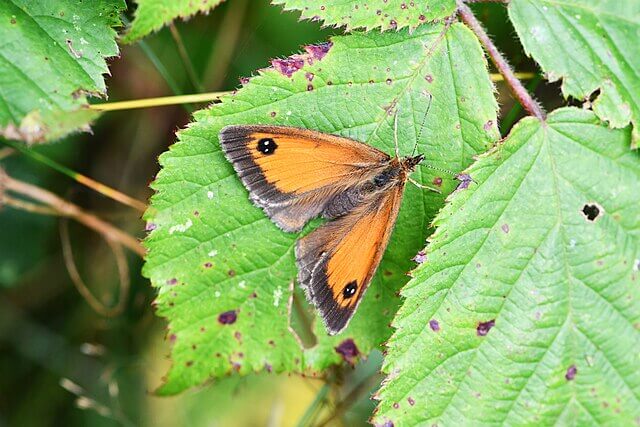
The gatekeeper butterfly is one of the UK’s charming yet declining species. Often overlooked, this small butterfly is easy to spot in hedge margins, garden edges, and suburban green spaces. Naturalist Matthew Oates calls it “a charming meditation of soft oranges and browns,” and its relaxed, polite behaviour makes it a favourite for butterfly watchers.
Gatekeepers prefer scrub edges, grassland borders, and the base of shrubs. They are not fast flyers, so you can watch them bask in the sun, flopping gently over long grass or garden patches. Unlike many butterflies, male gatekeepers are non-territorial, adding to their gentle charm.
Why the Gatekeeper Needs Our Help
While not as endangered as species like the small tortoiseshell—which has declined by 82% since 1976—the gatekeeper has seen a 38% population drop in the UK over the same period. The exact causes remain unclear.
Unlike some species, climate change is unlikely to be the main factor, as gatekeepers tolerate a range of temperatures. More probable culprits include increased soil nitrogen, pesticide use, and changing plant communities.
How You Can Help Gatekeepers
1. Leave Some Grass Long
Long grass is crucial for caterpillar survival. Adult butterflies are generalists, but gatekeeper larvae feed exclusively on grass. Even a narrow strip of rougher, mixed grasses along hedges and shrubs can make a significant difference.
- Avoid mowing during peak egg and caterpillar season (June)
- If mowing is necessary, lift the blade to leave some long grass intact
- “No Mow May” is helpful but should be combined with other measures
Long grass benefits not just gatekeepers, but many other UK butterfly species. Studies show that gardens with even small areas of long grass attract more species and greater numbers of butterflies throughout the year.
2. Provide Nectar-Rich Feeding Stations
Even small gardens, balconies, or window boxes can act as “motorway service stations” for butterflies. Gatekeepers especially enjoy flowering herbs like oregano and thyme, as well as nectar-rich plants like buddleia, verbena, and lavender.
Plant strategically to ensure continuous nectar availability from spring to autumn, helping butterflies feed throughout their active months.
3. Advocate for Butterfly-Friendly Public Spaces
Support long grass in parks, school grounds, graveyards, and road verges. Explain to others that leaving rough grass and nettle patches helps declining butterfly populations. Encouraging local authorities to adopt these practices can also benefit species like the small tortoiseshell, whose caterpillars feed exclusively on nettles.
4. Participate in Citizen Science
The Big Butterfly Count runs from 17 July to 9 August. Just spend 15 minutes observing butterflies in your garden or nearby green space and log your sightings. A free app is available for Android and iPhone, making it easy for anyone to contribute to nationwide butterfly monitoring.
For year-round monitoring, the iRecord Butterflies app allows you to record sightings of butterflies, eggs, caterpillars, or pupae any day of the year. This helps conservationists track long-term population trends and shifts in butterfly distribution.
5. Enjoy Watching Butterflies
Finally, taking the time to appreciate garden butterflies fosters awareness and advocacy. Warm, dry summers often lead to bumper butterfly seasons, so be sure to enjoy the vivid orange and brown gatekeepers fluttering in your garden and nearby green spaces.
At Natural World Fund, the decline of species like the gatekeeper butterfly is a reminder that nature cannot thrive without our care. Habitats lost to intensive gardening, pesticide use, and urban development do not recover overnight—many butterflies and other pollinators depend on long grass, nectar-rich plants, and safe breeding grounds to survive. Protecting and restoring these spaces is essential for UK wildlife, biodiversity, and future generations.
If you care about restoring native wildlife in the UK, support the work of Natural World Fund today.