

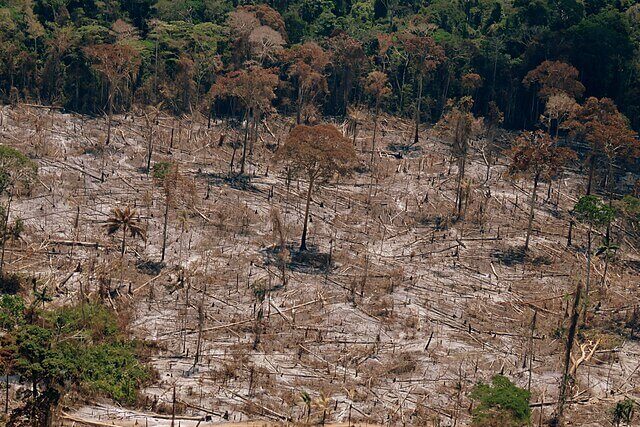
Global Nature Loss Poses Growing Risk to UK Security and Food Supplies
The accelerating decline of nature worldwide is now a direct threat to the UK’s security and prosperity, according to a long-awaited report from the UK’s intelligence community.
The assessment warns that the continued degradation of vital global ecosystems could trigger cascading risks, including conflict, displacement, rising food prices and increased competition for natural resources — all of which have serious implications for the UK.
Ecosystem Collapse Could Drive Conflict, Migration and Economic Instability
The report highlights how the loss of nature can destabilise regions already under pressure, increasing the likelihood of geopolitical conflict, forced migration and economic insecurity.
It warns that the UK is heavily dependent on ecosystems that are already on a pathway to collapse, leaving the country exposed to environmental shocks far beyond its borders.
UK Food Security at Risk From Nature Loss
One of the most urgent concerns raised in the report is the risk to UK food security.
The UK relies heavily on global food and fertiliser markets, many of which depend on ecosystems that are rapidly degrading. If major food-producing regions are affected, the report warns that food shortages and rising global prices could follow, reducing choice and affordability for UK consumers.
The assessment also concludes that the UK is currently unable to be food self-sufficient under existing diets and price structures, and that achieving full self-sufficiency would require substantial increases in food prices.
Critical Ecosystems Identified as Essential to UK National Security
Drawing on scientific research and expert judgement, the report identifies six ecosystem regions deemed critical to UK national security, based on both their vulnerability and the consequences of their collapse.
These include:
- The Amazon rainforest
- The Congo Basin rainforests
- Boreal forests in Russia and Canada
- Coral reefs and mangroves in South East Asia
- The Himalayan region
If current rates of biodiversity loss continue, these ecosystems are at risk of collapse — although the exact timing remains uncertain.
Climate Change and Nature Loss Already Affecting Food Production
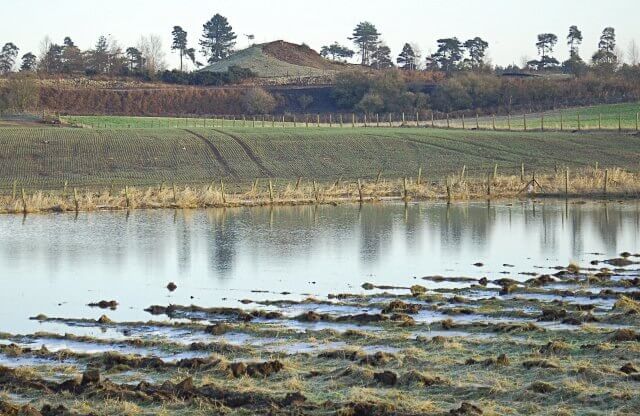
Experts warn that these risks are not hypothetical. Climate-driven weather extremes are already disrupting food production in parts of the world, with knock-on effects for global supply chains.
The report notes that emerging solutions such as regenerative agriculture and alternative proteins, including lab-grown food, could help strengthen resilience — but only with sustained research and investment.
“This is a cost-of-living crisis, driving up food prices on supermarket shelves for UK households,” he said.
In response to the new report, a Defra spokesperson said: “The UK has a resilient food system and remains one of the most food-secure nations in the world.
“We have access through international trade to food products that cannot be produced here, which supplements domestic production and ensures that any disruption from risks such as adverse weather or disease do not affect the UK’s overall security of supply.”
Intelligence Report Delayed Amid Political Sensitivity
Although officially published by the Department for Environment, Food and Rural Affairs (Defra), the report was prepared by the Joint Intelligence Committee, which oversees the UK’s security services and coordinates intelligence across government.
The document was expected to be released months earlier but was reportedly delayed due to concerns within government that its findings were too negative.
UK Accused of Weakening Commitments to Nature Protection
The government has faced growing criticism from environmental organisations that it is retreating from its commitments to protect nature.
At the COP30 climate summit in Brazil, the UK declined to commit public funding to the Tropical Forests Forever Facility, a major international initiative aimed at protecting rainforests. Ministers cited economic pressures, while saying they hope to contribute in the future and encourage private investment.
The government has also been accused of loosening environmental protections to accelerate housebuilding, raising concerns about further habitat loss.
Global Biodiversity Decline Continues at Unprecedented Speed
Despite international conservation efforts, global biodiversity loss is accelerating, driven by habitat destruction, climate change, pollution and invasive species.
A landmark UN report previously warned that changes to nature since 1970 are unprecedented in human history, estimating that up to one million species face the risk of extinction.
At Natural World Fund, we recognise that protecting nature is not only an environmental issue but a matter of national security and food resilience. The collapse of vital ecosystems around the world threatens biodiversity, global food supplies and the stability the UK depends on. Safeguarding nature — from forests and wetlands to the systems that support sustainable food production — is essential for a secure and resilient future.