

Sightings of Rare UK Insect Triple in the New Forest
Sightings of one of the UK’s rarest insects — the Green Forest Hoverfly — have more than tripled in recent years, highlighting the importance of protecting ancient woodland habitats.
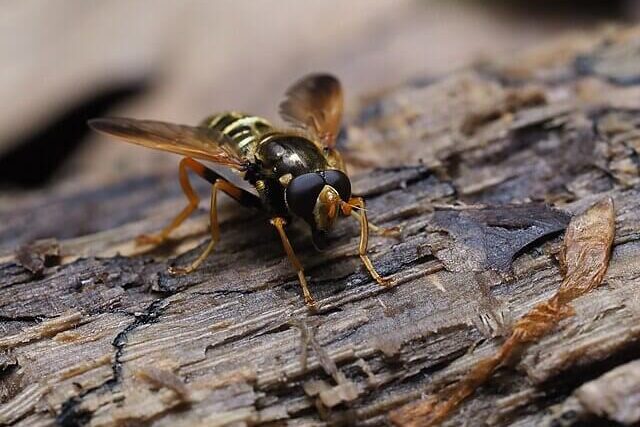
Recognisable for its metallic green and gold body, bright orange wings, and distinctive legs, the striking hoverfly has been recorded in numbers far exceeding previous records.
New Forest Becomes a Stronghold for the Green Forest Hoverfly
A four-year study supported by Forestry England documented over 450 sightings in the New Forest, making the Hampshire national park one of only two known locations in the UK where the insect lives.
The only other known population exists in Windsor Great Park in Berkshire.
This discovery reinforces the New Forest’s status as one of the UK’s most important landscapes for rare insects and ancient woodland biodiversity.
Why the Green Forest Hoverfly Is So Rare
The hoverfly, scientifically known as Caliprobola speciosa, appears for just a few weeks each spring.
Its survival depends on very specific woodland conditions, including:
- Decaying tree stumps
- Ancient beech trees
- Undisturbed woodland habitats
The insect lays its eggs in rotting beech stumps, where larvae develop inside the decaying wood — making the protection of ancient woodland ecosystems essential for the species’ survival.
Volunteers Help Reveal Dramatic Population Increase
Before 2022, only around 150 sightings of the green forest hoverfly had ever been recorded.
However, more than 2,700 hours of volunteer-led data collection have transformed understanding of the species.
In 2025 alone, over 200 hoverflies were recorded, showing a dramatic increase in confirmed sightings.
Andy Murdock, a member of the Green Hoverfly Hunt team, explained that citizen science and volunteer research have played a crucial role in helping conservationists learn more about the species.
He said: “Over the last four years the volunteers who have supported this survey work have greatly improved our understanding of one of Britain’s rarest and most enigmatic hoverflies.
“The project has shown that the green forest hoverfly is much more widespread in the New Forest than previously thought and that with the right habitat it can continue to thrive.”
While tracking the hoverfly, volunteers also discovered a wide range of nationally rare and scarce insects.
These findings underline the ecological importance of the New Forest’s ancient woodland habitats, which provide vital shelter for species that cannot survive in modern managed forests.
Conservation Efforts Supporting Rare Wildlife
Using the data gathered by volunteers, Forestry England has been able to improve habitat management in the New Forest.
Conservation actions include cutting back dense holly growth surrounding ancient beech tree stumps, ensuring the hoverflies have access to the decaying wood they depend on.
Leanne Sargeant, senior ecologist at Forestry England, described the New Forest as a “haven for nature”, emphasising the importance of continued conservation work to protect rare species and their habitats.
“The New Forest is home to some of the UK’s oldest and most biodiverse woodlands and these areas are a haven for nature,” she said.
“It’s really positive that the green forest hoverfly is widespread here, especially as this is one of only two places in the whole UK where this species is found.”
At Natural World Fund, we believe protecting rare species is key to maintaining healthy ecosystems. The growing number of sightings of the Green Forest Hoverfly shows how conservation, habitat management and volunteer research can make a real difference. By safeguarding ancient woodlands like those in the New Forest and working with organisations such as Forestry England, we can help ensure these fragile habitats — and the wildlife that depends on them — continue to thrive.