

High Brown Fritillary Butterfly: How Conservation Is Bringing a Rare Species Back
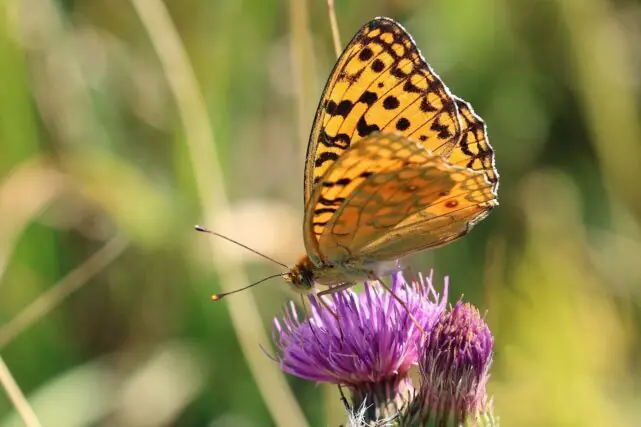
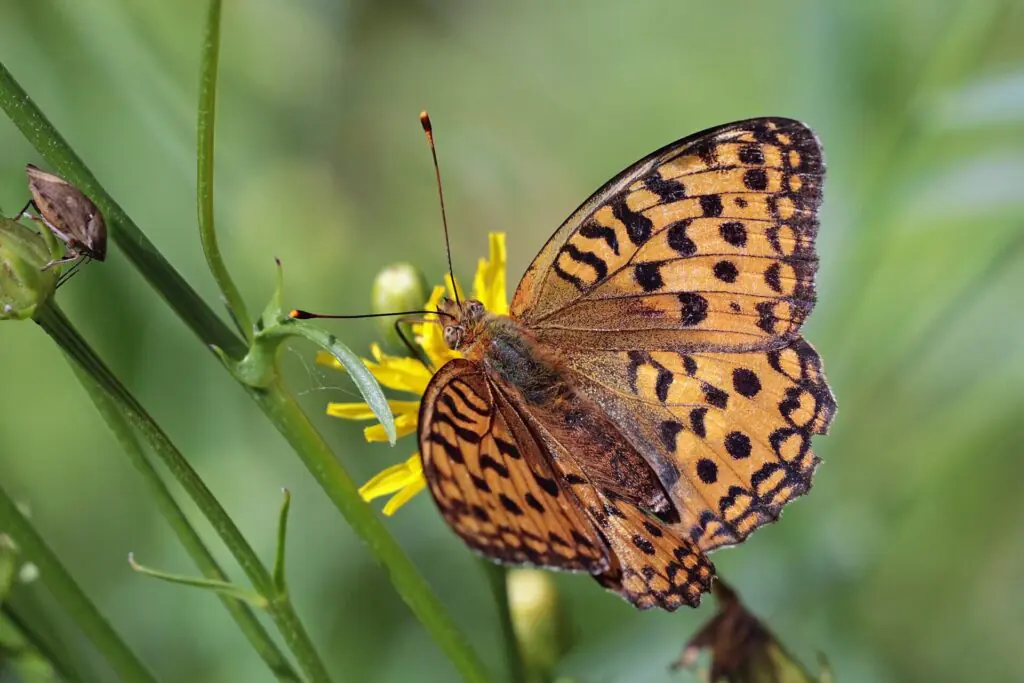
The high brown fritillary butterfly was once widespread across Wales and England. With its striking orange wings and distinctive black markings, it was once a familiar sight across Britain’s countryside.
Today, however, the high brown fritillary is one of the rarest butterflies in Britain. Its numbers have declined by 62% since 1970, making habitat restoration and targeted conservation increasingly important for the species.
In the Alun Valley at Old Castle Down, in the Vale of Glamorgan, a dedicated group of volunteers is working to reverse that decline – with an unlikely ally helping them along the way: cattle.
Why is the high brown fritillary so rare?
One of the biggest challenges facing the high brown fritillary is its highly specific habitat requirements.
“They are the pickiest,” says Paul Dunn, who for more than 30 years has been working hard among the bracken of the Alun Valley at Old Castle Down, in the Vale of Glamorgan, to revive the butterfly’s fortunes.
The high brown fritillary needs a delicate combination of bracken and common dog violet to complete its life cycle.
The caterpillars feed on common dog violet, but the relationship between the butterfly and bracken is more complicated. Too much bracken can prevent dog violets from growing, while the bracken itself provides an essential part of the butterfly’s habitat.
Managing bracken to protect butterflies
For decades, changes in land management have contributed to the decline of habitats suitable for the high brown fritillary.
“Traditionally bracken was used as animal bedding, but less and less people use it now they can get straw,” says Richard Smith, who has been with Paul since the start, in 1993.
Without regular management, bracken can become too dense, preventing the common dog violet from thriving.
But cutting the bracken is not simply about creating space for the violet. The dead bracken leaves create a layer of litter on the ground, helping to produce the warm conditions that the high brown fritillary caterpillar needs.
“It hasn’t been able to adapt its life cycle away from this need from a certain temperature on the ground. The cutting of the bracken is essential.”
When the coarse fern is cut, its dead leaves form a layer of “litter” across the ground. This creates a warmer microclimate underneath – an essential part of the habitat required by the high brown fritillary caterpillar.
Coppicing creates vital butterfly habitat
The volunteers have spent years carefully managing the landscape around Old Castle Down. This includes coppicing, or hard pruning, overgrown hedges and managing vegetation across the common land.
The aim is to create and maintain the very specific ecosystem that the high brown fritillary needs to survive.
Their work demonstrates an important principle of butterfly conservation: protecting rare species often means actively managing habitats rather than simply leaving nature to take its course.
How cattle grazing is helping the high brown fritillary
For the first time in more than half a century, the volunteers have spent the past three years encouraging members of the local commoners’ association to graze their cows on the site.
The cattle are helping maintain the open, varied habitat that the high brown fritillary depends on.
“Cattle are great because they trample bracken without eliminating it and create an uneven ground structure which is also good as it creates little niches then where the temperatures can be higher than the surrounding area,” Smith said.
This type of conservation grazing can help prevent vegetation from becoming too dense while creating a varied structure across the landscape.
For the high brown fritillary, those small differences in vegetation and ground conditions can make a significant difference.
Using technology for conservation grazing
There is an additional challenge because Old Castle Down is common land and does not have conventional fencing.
As part of National Lottery grant funding, the team has secured solar-panelled collars for the cows. These collars create a “no-fence grazing” perimeter, helping keep the cattle within the areas where they are needed.
The approach combines traditional land management with modern technology to support habitat restoration and butterfly conservation.
High brown fritillary numbers are increasing
Weather patterns from year to year can have a significant effect on high brown fritillary populations. Despite these natural fluctuations, the long-term picture at Old Castle Down is encouraging.
The butterfly’s numbers have increased thanks to the sustained conservation efforts of the team – and their furry recruits.
What began as an operation led by Richard and Paul has grown considerably over the years. The team has expanded from two people to more than 40 volunteers.
Conservation creates a community
For the past 11 years, Dot Williams has become another integral part of the group.
“After my husband died I needed to get out and do something and I got involved with the Wildlife Trust, met Richard and Paul, and the Butterfly Conservation.
“We’re a social group – as well as the whole benefit of saving nature and working outdoors”.
The group’s activities extend beyond practical habitat management. The same evening the team gathers for conservation work, they are also holding their monthly curry club. With the weather dry, they feast on jalfrezi and poppadoms among the trees.
“It’s the butterflies that brought them together, but it’s grown into much more than that, it’s a community,” she says.
Protecting more than one butterfly species
The benefits of this habitat management extend beyond the high brown fritillary.
Over the past 10 years, this small part of Wales has recorded more than 37 species of butterflies, including the high brown fritillary – and the rare species is finally back on the rise.
The work at Old Castle Down shows how targeted habitat management, conservation grazing and long-term volunteer commitment can make a real difference to threatened wildlife.
It also highlights the importance of community-led conservation. Protecting biodiversity is not always about large reserves or major projects. Sometimes, it depends on a small group of people returning year after year to manage a landscape in exactly the right way.
A beautiful obsession
Richard and Paul began their work more than three decades ago. Since then, their efforts have grown into a community of more than 40 people, helping protect one of Britain’s rarest butterflies and the wider ecosystem around it.
After 33 years of volunteering throughout the year, has it all been worth it for Paul?
“Fantastic, yes it’s become a beautiful obsession to be honest.”
Restoring Nature and Protecting Wildlife in the UK
At Natural World Fund, we support habitat restoration and conservation projects that help threatened species and ecosystems recover across the UK. By restoring habitats, strengthening biodiversity and supporting communities to take action for nature, we can help create a future where wildlife such as the high brown fritillary has space to thrive.
Image sources
- High_brown_fritillary_(Argynnis_adippe)_female_Hungary by Charles J. Sharp. Cropped and resized from original: Wikipedia Commons
- High_brown_fritillary_(Argynnis_adippe)_form_cleodoxa_Macedonia by Charles J. Sharp. Cropped and resized from original: Wikipedia Commons