
Historic Thames Barges Create New Island Habitat in the Blackwater Estuary
In a pioneering UK conservation project, historic Thames barges have been transformed into a brand-new island habitat designed to protect vulnerable bird species and reduce coastal erosion.
Believed by the National Trust to be the first project of its kind in the UK, this innovative approach combines marine engineering with nature-based solutions to support biodiversity in the Blackwater Estuary, Essex.
The trust said it was one of a number of “innovative, nature-based solutions to protect Northey Island against rising sea levels and the rapid loss of saltmarsh”.
From Industrial Barges to Nature-Based Solutions
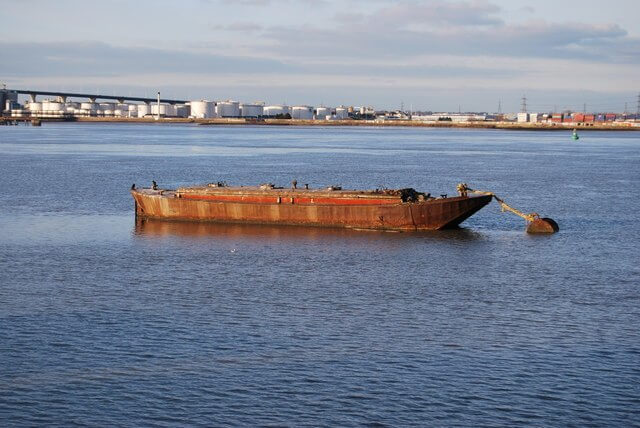
Three decommissioned Thames lighters — flat-bottomed barges once used to transport coal, building materials and food from the Port of London — have been carefully repurposed and sunk between Maldon and West Mersea.
After spending more than 30 years moored in Essex, the barges have now been given a second life, supporting wildlife and climate resilience rather than industry.
Creating a Safe Haven for Endangered Birds
The barges were strategically placed on intertidal mudflats near Northey Island and filled with sediment to form a stable new land mass. Once complete, the island will provide 0.55 hectares (1.4 acres) of new habitat — almost the size of a football pitch.
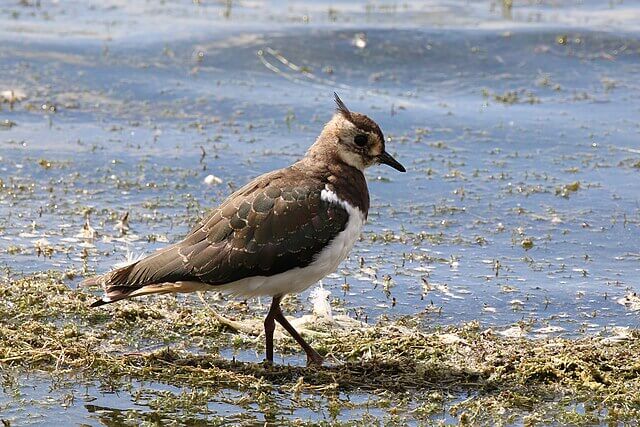
This new island is expected to support threatened and red-listed UK bird species, including:
- Dunlin
- Curlew
- Ringed plover
- Lapwing
By creating elevated nesting and resting areas, the project helps secure the future of seabirds facing habitat loss across the UK.
Protecting Saltmarsh and Reducing Coastal Erosion
As sea levels rise, saltmarsh habitats like those at Northey Island are increasingly at risk. The new island acts as a natural buffer, reducing wave energy and slowing erosion of neighbouring saltmarsh — a vital ecosystem for wildlife and carbon storage.
The National Trust has described the initiative as “a bold marine engineering feat”, showcasing how innovative conservation can tackle climate change impacts.
Katy Gilchrist, coastal project manager for the trust, said: “This is the ultimate act of marine recycling – transforming retired industrial vessels into a sanctuary for wildlife.
“We’re basically turning history into habitat, and as far as we know, no-one has attempted anything quite like this before.”
Engineering Innovation Meets Environmental Restoration
The barges, measuring between 20 and 32 metres in length, underwent extensive preparation before deployment. Each vessel was cleaned, made seaworthy, and towed into position. Engineers then cut holes in the hulls to allow controlled sinking before filling them with mud and sediment to secure them in place.
“Once the island is fully established with gravel on top, it will sit safely above the highest tides to offer a safe refuge for some of our bird species which are in decline,” Gilchrist said.
This careful process ensures long-term stability while allowing the island to naturally integrate with the surrounding estuary environment.
A Collaborative Conservation Effort
The project brings together a wide range of conservation, engineering and marine expertise. Partners include:
- National Trust
- Environment Agency
- Natural England
- Maldon Harbour Improvement Commissioners
- Royal HaskoningDHV (environmental and engineering consultants)
- Landbreach Ltd (specialist marine contractors)
Matt Wilson, countryside manager for the National Trust, said: “The new island, located just off the eastern shore of Northey will provide a refuge for birds above the highest tides and away from disturbance on shore, acting as a lifeline for birds that are running out of safe spaces to nest and rest.
“As well as creating a new habitat for birds, the island will also help to reduce erosion of the existing saltmarsh at Northey Island,” he added.
Together, they demonstrate how collaboration can deliver large-scale, nature-positive solutions for the UK’s most threatened habitats.
At Natural World Fund, we recognise that climate change and rising sea levels are accelerating the loss of vital coastal habitats across the UK. Projects like the creation of new island habitats in the Blackwater Estuary show how innovative, nature-based solutions can protect biodiversity while strengthening natural defences against erosion and flooding. Restoring and safeguarding ecosystems such as saltmarshes and wetlands is essential for the survival of threatened wildlife, the resilience of coastal communities, and a stable climate future for people and nature alike.