

How to Help Hedgehogs in the UK: Simple Ways to Protect a Declining Species
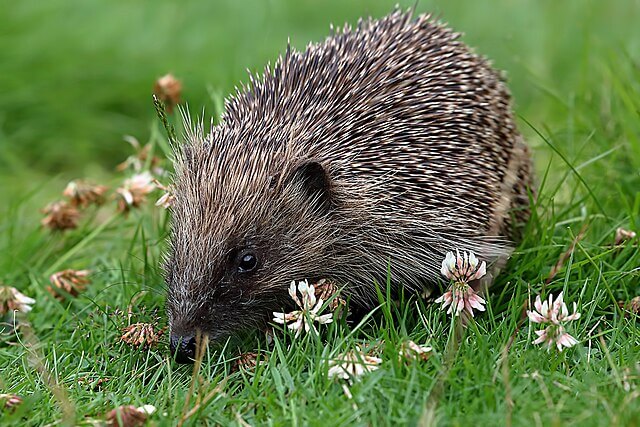
With their stumpy legs, twitching snouts and coat of sharp spines, hedgehogs are one of Britain’s most loved wild animals. They feel almost mythical — like tiny creatures from a medieval storybook — and yet they are very real, and very much in need of our help.
Often called the UK’s favourite wild mammal, hedgehogs regularly top public polls and wildlife popularity lists. But despite their iconic status, hedgehog numbers in Britain have fallen dramatically, especially in the countryside.
If you’re wondering why hedgehogs are declining and how to help hedgehogs in your garden or community, there are many practical things you can do.
Why Are Hedgehogs in Decline in the UK?
Hedgehogs are facing a range of pressures across the UK. Since 2000, the UK has lost between 30% and 75% of its rural hedgehogs, making them one of the country’s most concerning wildlife declines.
Main threats to hedgehogs include:
- Habitat loss caused by intensive agriculture and development
- Pesticides and agrochemicals, which reduce the insects and worms hedgehogs rely on for food
- Road traffic, which kills an estimated 167,000-335,000 annually.
- Garden machinery, including strimmers and mowers
- Climate change, which may disrupt hibernation patterns
Warmer, wetter winters may be causing hedgehogs to wake from hibernation more often, which can affect their ability to survive and thrive.
There is some encouraging news: urban and suburban hedgehog populations are showing early signs of recovery. But they still need safe spaces, food, shelter and connected habitats to survive.
How to Help Hedgehogs: 8 Practical Ways to Make a Difference
Whether you have a large garden, a small outdoor space, or no garden at all, there are many ways to support hedgehogs in the UK.
1. Take Part in Hedgehog Citizen Science
One of the easiest ways to help hedgehogs is by supporting wildlife monitoring projects.
You can contribute to conservation research from home by helping identify hedgehogs and other mammals in camera trap footage through the National Hedgehog Monitoring Programme (NHMP).
How to get involved:
- Register for a MammalWeb account
- Select the NHMP project
- Help identify animals in short clips
- Use online guidance to improve your spotting skills
This kind of citizen science for hedgehogs helps conservationists understand where hedgehogs are surviving — and where they need more support.
2. Create a Hedgehog Highway in Your Garden
Hedgehogs need to roam between gardens to find food, mates, nesting sites and shelter. But fences and walls often block their routes.
A simple way to help is by creating a hedgehog highway.
What is a hedgehog highway?
A hedgehog highway is a 13cm x 13cm gap in or under a fence or wall, allowing hedgehogs to move freely between gardens.
Why it matters:
A connected network of gardens can provide everything a hedgehog needs, such as:
- Compost heaps
- Log piles
- Wildlife ponds
- Dense planting
- Safe nesting spaces
Even if one garden doesn’t offer everything, several connected gardens together can create ideal habitat.
Top tip:
Speak to neighbours about making connected access points and consider adding a sign so the gap doesn’t get accidentally blocked.
3. Turn Your Garden Into a Hedgehog-Friendly Feeding Ground
If you want to attract hedgehogs naturally, focus on creating a wildlife-friendly garden full of insects and shelter.
Hedgehogs eat a wide variety of invertebrates, including:
- Beetles
- Caterpillars
- Earwigs
- Worms
- Other garden bugs
How to make your garden hedgehog-friendly:
- Plant wildflowers
- Grow dense shrubs
- Add ornamental grasses
- Leave patches of bare soil
- Build log piles and leaf piles
- Let parts of your garden stay a little wild
A more natural garden supports the “creepy-crawly” prey hedgehogs need to survive.
4. Avoid Pesticides and Harmful Chemicals
One of the best things you can do for hedgehogs is to avoid using pesticides in your garden.
Chemical weedkillers and pesticides can reduce the worms, insects and beetles that hedgehogs rely on for food. Some chemicals may also affect wider garden biodiversity and soil health.
Better alternatives include:
- Hand weeding
- Mulching
- Wildlife-friendly gardening methods
- Encouraging natural pest control through biodiversity
If you want to help hedgehogs, healthy insect populations are essential.
5. Feed Hedgehogs Carefully and Responsibly
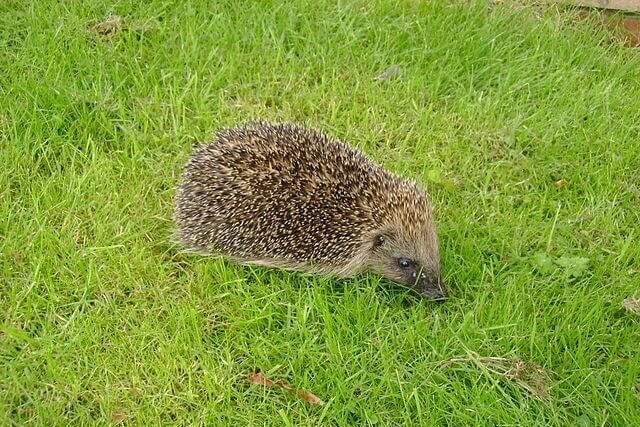
While the best long-term solution is to improve natural habitat and food sources, supplementary feeding can help hedgehogs, especially when natural food is scarce.
What to feed hedgehogs:
A commonly recommended option is:
- Meaty kitten biscuits or cat biscuits
These provide a reliable protein source and are often safer than unsuitable “hedgehog treats”.
What to avoid:
Do not leave out:
- Bread
- Milk
- Sugary foods
- Highly processed leftovers
Feeding safely:
- Put food in a hedgehog feeding station or covered box
- Clean bowls regularly
- Move feeding stations occasionally to encourage natural foraging
- Ensure cats, foxes or other animals can’t easily access the food
Important note:
Because hedgehogs are naturally solitary, feeding stations can sometimes bring them together too closely, increasing:
- Stress
- Fighting
- Disease transmission
- Dependency on artificial food
So if you feed hedgehogs, do so carefully and in moderation.
6. Provide Shelter With Hedgehog Houses and Wild Corners
Hedgehogs need safe places to rest, hide, nest and hibernate — not just places to eat.
How to create hedgehog shelter:
- Leave quiet, shady corners undisturbed
- Plant low, dense shrubs
- Keep leaf piles and twigs for nesting material
- Install a hedgehog house in a sheltered location
A good hedgehog shelter should be:
- Dry
- Quiet
- Hidden from disturbance
- Away from busy paths or pets
These safe spaces are especially important during breeding season and hibernation.
7. Know When a Hedgehog Needs Help
Not every hedgehog needs rescuing — but some definitely do.
Because hedgehogs are nocturnal, seeing one active in the daytime can sometimes be a warning sign.
A hedgehog may need help if it is:
- Out in the day looking wobbly, weak or listless
- “Sunbathing” and not moving much
- Covered in flies
- Clearly injured
- Very small and alone in cold weather
When daytime activity may be normal:
A hedgehog seen carrying leaves or twigs in spring or summer may simply be a female building a nest.
In winter, however, a hedgehog out in daylight may suggest:
- A disturbed nest
- Failed hibernation
- Illness or injury
What to do if you find a hedgehog:
If you are unsure, always contact a local hedgehog rescue or the British Hedgehog Preservation Society for advice.
If you are told to secure the hedgehog:
- Wear thick gardening gloves
- Place it in a high-sided cardboard box
- Add an old towel, hay or straw
- Provide gentle warmth using a wrapped warm water bottle or similar
- Keep the box quiet, dark and calm
Avoid unnecessary handling, as stress can be harmful.
8. Protect Hedgehogs When Gardening
Gardens can be a lifeline for hedgehogs — but they can also be dangerous if we’re not careful.
Before gardening, always check:
- Under shrubs
- In long grass
- Inside compost heaps
- Beneath leaf piles
- Around sheds and decking
This is especially important before using:
- Strimmers
- Lawnmowers
- Spades or forks
- Bonfires or burn piles
Hedgehog safety tip:
If you have a pile of garden waste or logs, move it carefully before burning or clearing it, especially in spring and autumn when hedgehogs may be nesting or hibernating.
Leaving some areas of your garden wild and undisturbed can make a huge difference.
Why You Should Never Disturb a Healthy Hedgehog
Hedgehogs can seem calm and approachable, but they are still wild animals.
Because they often don’t run away quickly, people can get surprisingly close to them — but that doesn’t mean they should be handled.
Avoid:
- Picking up visiting hedgehogs unnecessarily
- Weighing them regularly for curiosity
- Moving them unless advised by a rescue
- Disturbing nests or hibernation sites
If a hedgehog appears healthy and active at night, the best thing to do is simply watch from a distance and let it be.
You Don’t Need a Garden to Help Hedgehogs
Even if you don’t have outdoor space, you can still support hedgehog conservation.
Other ways to help hedgehogs:
- Write to your local council about wildlife-friendly green spaces
- Encourage hedgehog highways in parks and housing developments
- Ask for less intensive mowing and strimming in public spaces
- Share information about hedgehogs on social media
- Talk to neighbours, friends and community groups
Public awareness matters. The more people understand how to help hedgehogs, the more safe habitats we can create across the UK.
Help Protect Hedgehogs for the Future
Hedgehogs are one of the UK’s most beloved wild animals — but they cannot survive on affection alone.
By creating safer gardens, reducing pesticide use, supporting conservation research and speaking up for wildlife-friendly spaces, we can all help reverse hedgehog decline.
At Natural World Fund, we believe that small actions for nature can lead to meaningful change. Supporting hedgehogs is one simple, powerful way to make a difference for British wildlife.
FAQ: Helping Hedgehogs in the UK
What is the best thing to do for hedgehogs in your garden?
Create access with a hedgehog highway, provide natural shelter, avoid pesticides, and support insect-rich habitat.
What should you feed a hedgehog?
If you choose to feed hedgehogs, offer meaty kitten or cat biscuits and fresh water. Avoid bread and milk.
When do hedgehogs hibernate in the UK?
Hedgehogs usually hibernate during the colder winter months, although timing can vary depending on weather and food availability.
Should I rescue a hedgehog I see during the day?
Not always. A female gathering nesting material may be fine, but a hedgehog that looks weak, injured, fly-covered or distressed may need urgent help.
How big should a hedgehog hole be?
A 13cm x 13cm gap is the recommended size for a hedgehog highway.
At Natural World Fund, we believe protecting British wildlife starts close to home. From creating hedgehog-friendly gardens to restoring connected habitats, small actions can make a big difference for nature. By supporting the species we share our spaces with, we can help build a healthier, more resilient future for wildlife and people alike.