

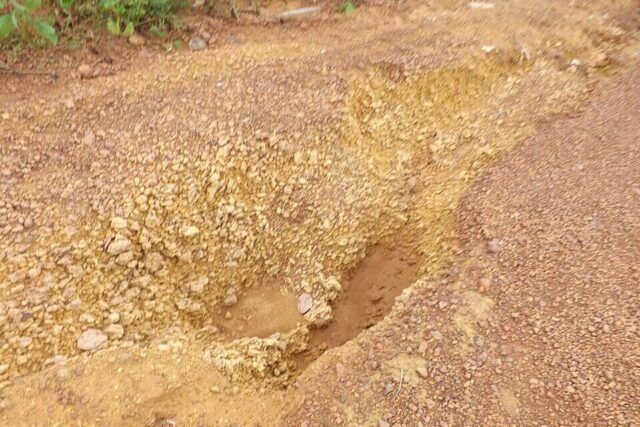
Illegal Gold Mining Devastates Brazil’s Sararé Indigenous Territory
Illegal gold mining is devastating the Sararé Indigenous Territory in Brazil, destroying forests, polluting rivers and threatening the Nambiquara people who have lived in the region for generations.
Brazilian security forces have launched repeated operations to remove illegal miners from the territory. But Indigenous leaders fear the destruction could return once government forces leave.
Illegal Gold Mining Has Devastated Sararé
At the foot of Vila Cururu, an illegal gold-mining settlement in the Sararé Indigenous Territory, the signs of destruction are stark.
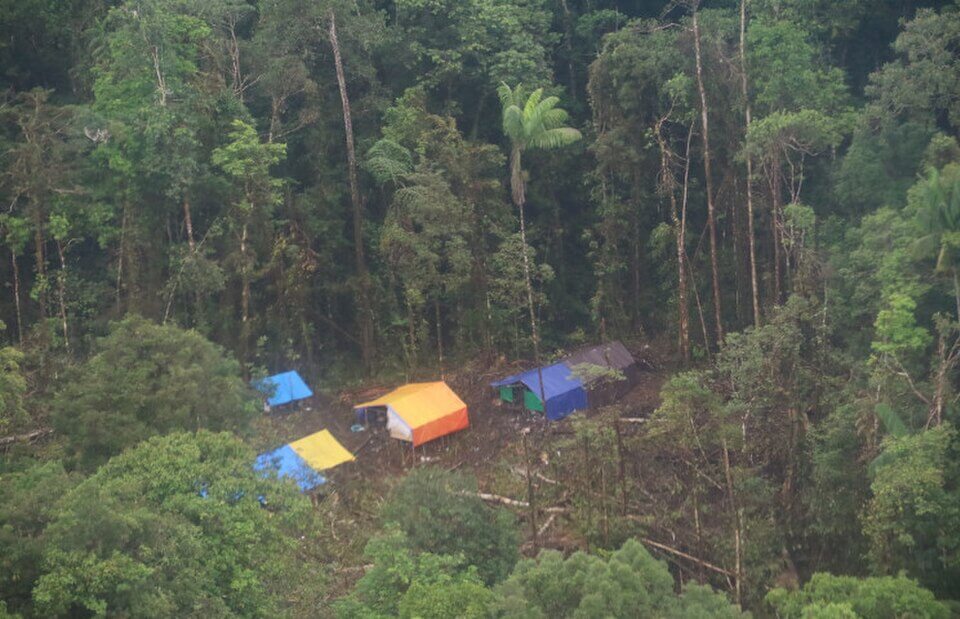
Until recently, the settlement was filled with miners and makeshift buildings serving the illegal mining industry. Prospectors gathered in bars and brothels while miners used pickaxes, explosives and heavy machinery to search the surrounding hills and savanna for gold.
“They wiped out everything. They destroyed nature,” said Jackson Katitãurlu, an Indigenous leader from the Nambiquara people.
Sararé is a large area of savanna and woodland near Brazil’s border with Bolivia. It has suffered particularly intense damage from illegal mining.
Around 17.3 sq miles (44.8 sq km) of land have been destroyed since the latest gold rush began, losing about 4% of its forests between January 2024 and August 2025. The area is almost half the size of Manhattan.
“It’s total devastation,” said Nilton Tubino, who is leading Brazil’s efforts to remove illegal miners from Indigenous territories.
Forests Destroyed by Gold Mining
The scale of the destruction is particularly clear from the air.
Huge brown scars cut across the once-green landscape. Pools of stagnant, bronze-coloured water are scattered across the damaged forests, while enormous piles of mining waste have replaced trees and vegetation.
Above Vila Cururu, a helicopter pilot was shocked by the scale of the illegal mining settlement.
“It’s like a favela. It’s like Rio de Janeiro,” he said as the aircraft flew over demolished structures made from tarpaulins and wooden planks.
Nearby, excavators had carved a huge mine into the forest. Security forces had destroyed the machinery, leaving behind vast piles of grey and copper-coloured rubble.
“It’s a complete desert. I was born and raised here and when I saw it I just couldn’t believe it,” said Katitãurlu.
He described how mining had poisoned rivers and driven wildlife away. The constant noise from machinery, music and explosions had also transformed the territory.
Mercury Pollution Threatens Rivers and Wildlife
Illegal gold mining causes damage far beyond the land directly excavated by miners.
Mercury is used during gold processing and can contaminate waterways and surrounding ecosystems. For the Nambiquara people, polluted rivers threaten both wildlife and traditional ways of life.
The destruction of forests also removes habitat for animals and fragments the wider ecosystem.
Red macaws still fly over parts of the damaged landscape, but the scale of mining has dramatically altered their surroundings.
The Sararé crisis demonstrates how illegal gold mining can turn thriving natural habitats into polluted and barren landscapes in a matter of years.
The Nambiquara People Face a Long History of Destruction
The current gold rush is not the first major threat faced by the Nambiquara people.
Anthropologist David Price documented their history in his 1989 book Before the Bulldozer. Outsiders first arrived in the region in the 1730s after gold was discovered in the surrounding hills.
“The heavy work of digging and washing the gravel was done by slaves, first Indians, and then Africans,” Price wrote.
Further disruption followed in the early 20th century when explorer Cândido Rondon entered the region while building a telegraph line.
That contact brought diseases to Indigenous communities with little protection against them.
Price wrote that the mission “brought new and dreadful diseases to which the Indians had no defence. There were epidemics of flu in the 1920s that decimated large groups in a matter of days. An epidemic of measles at the beginning of 1946 was so devastating that survivors could not bury the dead,”
The Nambiquara later faced further violence and displacement when Brazil’s military dictatorship built a major highway through their lands in the late 1970s.
Price described how the Nambiquara went from being “a free and proud people” to having been “overwhelmed by western society”.
Their population had fallen from perhaps 10,000 people at the beginning of the 20th century to around 600.
Brazil Cracks Down on Illegal Mining
Brazilian President Luiz Inácio Lula da Silva has made tackling illegal mining in Indigenous territories a major priority.
The campaign followed years of increased mining activity during the presidency of Jair Bolsonaro.
After security forces began a major operation in the Yanomami Indigenous Territory, some miners moved south to Sararé in search of new areas to exploit.
The rising price of gold has also encouraged illegal mining.
“The price of gold, this crazy global context, Trump, these things … [have a direct impact] all across the Amazon,” said Tubino.
The combination of high gold prices, global instability and sophisticated mining equipment has made illegal mining an increasingly serious threat to Amazon ecosystems.
Organised Crime Raises New Concerns
There are also growing concerns about organised crime becoming involved in illegal mining across the Amazon.
Drug factions from Rio de Janeiro and São Paulo have expanded their presence in the region. Reports have alleged that the Red Command had taken control of Vila Cururu and other Sararé mines.
Tubino said there was not yet hard evidence that the group controlled the mines.
However, violence in the region has increased.
During an environmental operation in 2024, five heavily armed men were killed in a gunfight. Days earlier, four people had been murdered during what appeared to be a dispute over control of a gold mine.
Indigenous leaders have also reported seeing miners carrying automatic rifles, shotguns and pistols.
The growing violence makes protecting Indigenous communities even more difficult.
Indigenous Leaders Fear Miners Will Return
Brazil’s latest crackdown appears to have removed many illegal miners from Sararé. But Indigenous leaders fear that they could return when security forces eventually leave.
“Good question,” Jackson answered. “If the operation is suspended, I think they’ll come back. 100% they will come back.”
Some miners may already remain inside the territory.
During a recent operation, security forces discovered a tunnel approximately 100 metres long that had been drilled into an escarpment. Tools inside suggested miners could still be working in the area.
Troops also discovered sacks containing 300kg of ammonium nitrate explosives near a deactivated mine.
“It’s painstaking work,” Tubino said.
“Someone’s walked through here in the past few days,” he added after troops found fresh footprints.
The discovery shows how difficult it is to completely remove illegal mining operations from such a vast and remote landscape.
Protecting the Amazon From Illegal Gold Mining
Illegal gold mining is one of the many pressures threatening the Amazon’s forests, rivers and wildlife.
For the Nambiquara people, protecting Sararé is also about protecting their homes, culture and future.
Brazil’s security forces have shown that large-scale operations can disrupt illegal mining. But long-term protection will require continued enforcement and support for Indigenous communities.
The destruction already visible across Sararé shows what can happen when illegal mining is allowed to expand unchecked.
“It’s total devastation,” Tubino said.
The challenge now is to ensure that the devastation does not continue — and that forests, rivers, wildlife and Indigenous communities have the protection they need to recover.
Taking Practical Action to Protect Wildlife
At Natural World Fund, we believe nature recovery requires practical action to restore habitats, protect wildlife and create healthier ecosystems for the future.
Image sources
- Illegal_Gold_Camp by Government of Papua. Cropped and resized from original: Wikipedia Commons
- VISITA_À_VILA_DO_PITINGA-_THE_BIG_MINE_IN_AMAZON_RAINFOREST_-_panoramio_(14) by James Martins. Cropped and resized from original: Wikipedia Commons