

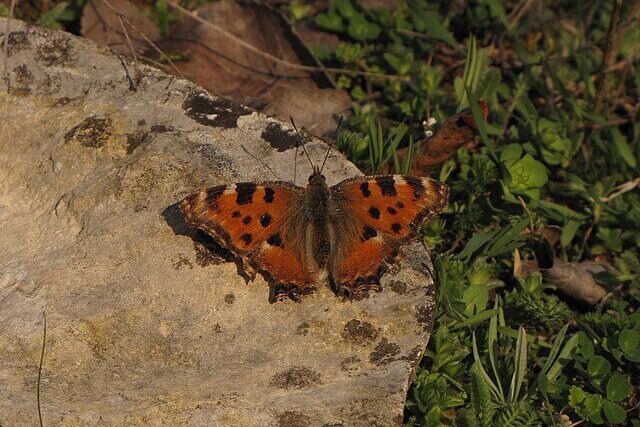
Large Tortoiseshell Butterfly Returns to the UK: A Conservation Success Story
A butterfly once officially declared extinct in the UK is making a remarkable comeback. The large tortoiseshell butterfly has recently been spotted across multiple locations in southern England, marking a significant moment for conservation efforts.
In recent weeks, there has been a surge in sightings of the large tortoiseshell butterfly in counties including Kent, Sussex, Hampshire, the Isle of Wight, Dorset, and Cornwall. These widespread appearances suggest the species is no longer just an occasional visitor but is beginning to re-establish itself.
According to conservation experts, this pattern of sightings indicates a shift in the butterfly’s status—from a rare migrant to a resident breeding species in the UK once again.
From Extinction to Re-Establishment
The large tortoiseshell was once commonly found throughout England and Wales. However, it was last recorded as a breeding species in the UK during the 1980s, after which it was considered locally extinct.
Its decline has been strongly linked to the devastating spread of Dutch elm disease across Europe in the 20th century. Since the butterfly lays its eggs on elm trees, the widespread loss of these trees severely impacted its ability to reproduce and survive.
Why Are Large Tortoiseshell Butterflies Returning?
While sightings have remained rare over the years, recent reports suggest a positive trend. Around 20 sightings have been recorded in just the past few days alone—an encouraging sign for conservationists.
Prof Richard Fox, head of science at Butterfly Conservation, said: “We don’t know why the butterfly was lost from Britain, so it’s difficult to know why it has come back as well, but it’s likely to be the climate that is pushing those increased numbers across its European range and we are benefitting.”
The reasons behind this resurgence may include improved habitat conditions, conservation efforts, and possible natural recolonisation from continental Europe.
A Memorable Encounter in Kent
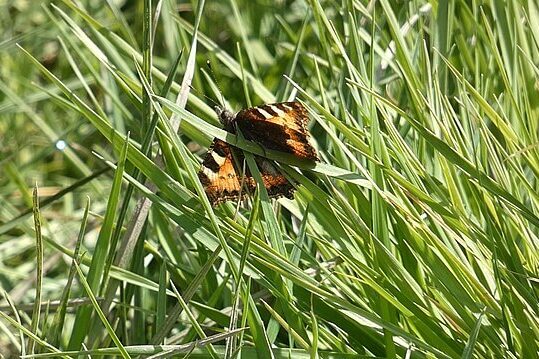
One notable sighting took place near Ashford, Kent, where conservation enthusiast Trevor Collett travelled over 90 minutes from Surrey for the chance to see the butterfly.
After five hours of trekking he said “I was about to give up and then walked down another path and found it.”
Describing the moment, he spoke of a “degree of elation” as he watched the large tortoiseshell for around 15 minutes before it flew off—an experience that highlights the emotional impact of wildlife recovery.
Supporting Butterfly Conservation in the UK
The return of the large tortoiseshell butterfly comes at a time when many butterfly species in the UK are facing serious declines. Conservation organisations see this development as a rare piece of good news and a reminder that species can recover with the right conditions.
The reappearance of the large tortoiseshell underlines the importance of protecting habitats, restoring native trees like elm, and supporting conservation initiatives.
At Natural World Fund, we are committed to protecting biodiversity and helping endangered species thrive once again. Stories like this show that with continued effort, nature can recover—even after decades of absence.