
Lord Howe Island’s Invertebrates Make a Remarkable Recovery After Rat Eradication
A stunning conservation success story is unfolding on Australia’s remote Lord Howe Island, where native insects and other invertebrates are thriving following the removal of invasive rats and mice.
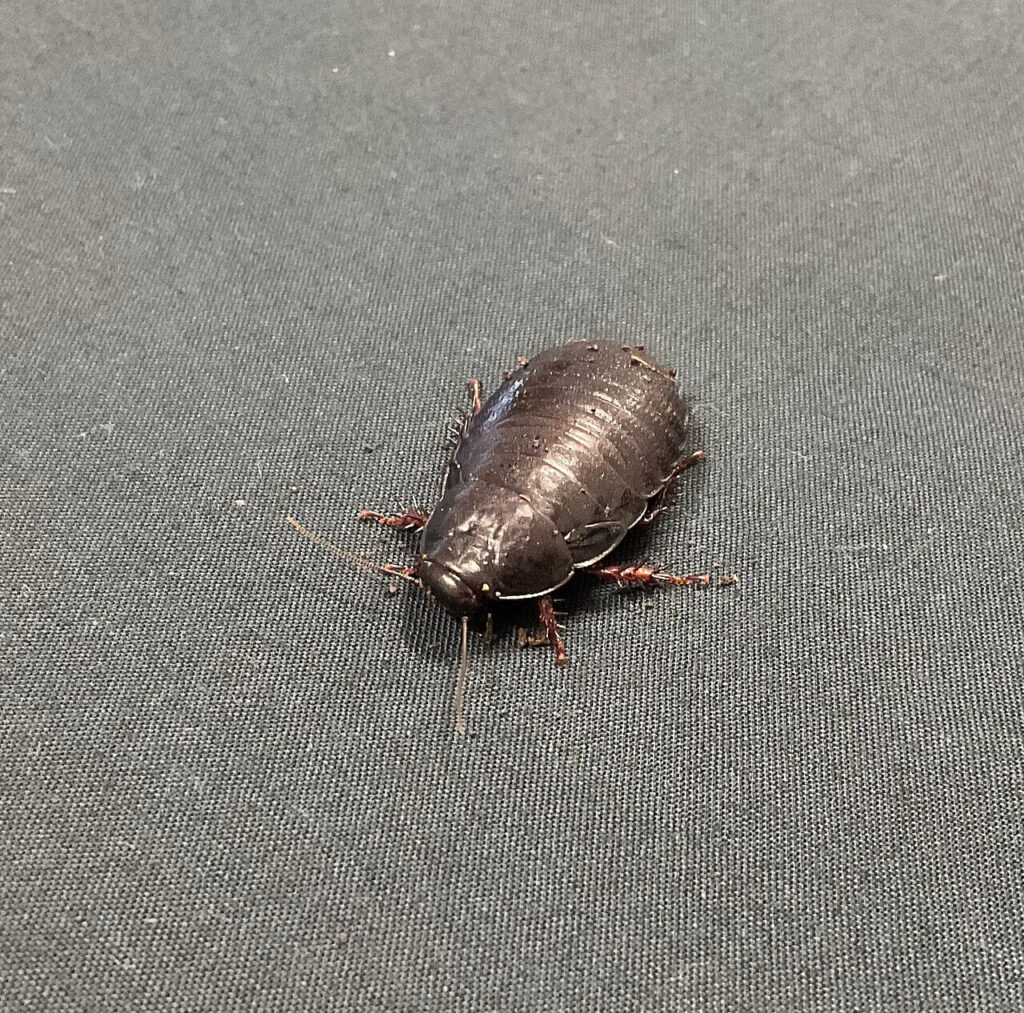
New research has revealed a dramatic increase in beetles, weevils, bush cockroaches and other invertebrates since a major rodent eradication programme was completed in 2019. Scientists say the recovery highlights the far-reaching benefits of removing invasive species from fragile island ecosystems.
A Unique Island Ecosystem
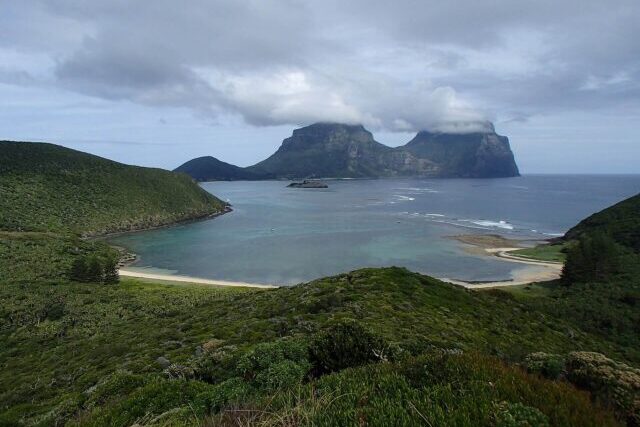
Located approximately 600km off Australia’s east coast, Lord Howe Island is a UNESCO World Heritage-listed island formed from the remnants of a volcano that erupted around seven million years ago.
Despite covering just 15 square kilometres, the island supports an extraordinary range of wildlife found nowhere else on Earth. Its subtropical forests, rugged mountains and isolated location have allowed many unique species to evolve over thousands of years.
Among its most striking inhabitants is the Lord Howe Island stag beetle, whose iridescent green wing cases shimmer in the sunlight as adults search the forest canopy for mates during the summer months.
Naturalist and nature guide Ian Hutton has witnessed significant changes in the island’s wildlife over recent years.
“That’s really something wonderful,” said Ian Hutton, a naturalist and nature guide on the world heritage-listed island.
“I would have struggled to have seen any of them 10 years ago.”
How Invasive Rats and Mice Damaged Native Wildlife
The island’s ecological problems began in the mid-19th century when mice first arrived. Conditions worsened dramatically in 1918 when a supply ship ran aground and black rats escaped onto the island.
The invasive rodents rapidly spread through Lord Howe Island, feeding on seeds, insects, birds and native plants. Over time, they contributed to the extinction of five bird species, two plant species and at least 13 invertebrate species.
Because Lord Howe Island evolved without native mammals, many local species had few defences against predation by rats and mice. The rodents disrupted ecological relationships throughout the island and altered the balance of the entire ecosystem.
Major Conservation Effort Removes 300,000 Rodents
In 2019, conservationists launched an ambitious programme to eradicate approximately 300,000 invasive rats and mice from the island.
Fortunately, scientists had already begun monitoring insect populations before the project started. This provided a valuable baseline that allowed researchers to measure how wildlife responded once the invasive predators were removed.
Researchers from the University of Sydney, working alongside the New South Wales government, collected more than 24,000 invertebrate specimens from 20 sites across the island’s subtropical forests.
The team used a combination of insect traps and specially designed “cockroach hotels” – layers of cardboard that mimic the bark habitats favoured by many invertebrates.
Invertebrate Numbers Increase by 60%
The results, published in the journal Biological Invasions, revealed a remarkable resurgence in insect populations.
According to lead researcher Maxim Adams, total invertebrate numbers increased by around 60% across surveyed sites.
“Across our sites we found a 60% increase in the total numbers of invertebrates,” said Maxim Adams, a researcher at the University of Sydney.
“I think that’s pretty extraordinary but it’s something we had a feeling for. Walking around Lord Howe now … all of us are blown away by what we’re seeing.”
The findings suggest that many native species are rapidly recovering now that rodent predation pressure has been removed.
An Island Rich in Endemic Species
Lord Howe Island is home to more than 1,600 known invertebrate species, with roughly half found nowhere else in the world.
For scientists, the island remains an extraordinary place of discovery.
“The place feels ancient. It’s at this confluence of tropical currents from Queensland and the cooler temperate New South Wales. It’s a weird, otherworldly place and it feels like Jurassic Park.”
Adams explained that every survey reveals something unexpected.
“You turn over a rock and everything is different,” Adams said.
This incredible biodiversity makes Lord Howe Island one of Australia’s most important conservation areas.
Ecosystem Recovery Extends Beyond Insects
The increase in insects is expected to benefit many other species across the island.
Before eradication, rodents consumed a wide range of prey, including larger invertebrates.
“The rodents will have been eating anything they could get and really anything above 1cm they will eat pretty indiscriminately,” Adams said.
With insect populations increasing, birds, reptiles and other native wildlife now have greater access to food resources.
Professor Nathan Lo from the University of Sydney said the recovery demonstrates how invasive species can affect entire ecosystems.
“Rodents didn’t just affect a few iconic species, they reshaped ecological relationships across the island.
“What we’re seeing now is evidence of an ecosystem beginning to reorganise itself after that pressure was removed.”
Researchers believe the full benefits of the eradication programme may take decades to emerge as ecological processes continue to stabilise.
“Seeing these changes after only five years is especially promising,” he said.
“Almost every part of the ecosystem is going to benefit. We expect to see more birds, more geckos, more skinks and improved plant and soil health.”
Native Birds and Forests Are Also Recovering
The recovery is already being seen beyond the insect world.
Populations of the island’s unique ground-nesting woodhen are increasing, along with many other bird species. At the same time, native vegetation is regenerating as seeds are no longer being consumed by rodents.
Hutton has observed these changes first-hand.
“The forest understorey is re-growing – the rats and mice had been eating all the seeds.
“The understorey was gone but now we see hundreds of seedlings coming up. With more invertebrates, that’s all food for the geckos and birds.”
The return of native plants creates additional habitat and food sources, further strengthening the island’s ecological recovery.
Rediscovering Species Once Thought Extinct
Perhaps one of the most exciting signs of recovery came when Hutton discovered a weevil species during a night-time survey that had not been recorded for more than a century.
The insect had previously been presumed extinct.
“It had survived and now it’s breeding again and being rediscovered,” he said.
The discovery highlights the resilience of nature when given the opportunity to recover from human-caused pressures.
Hutton continues to share the island’s remarkable wildlife with visitors.
“I go out with tourists on walks at night and we find these really striking beetles and snails. Wonderful.”
What Lord Howe Island’s Recovery Means for Conservation
The recovery of Lord Howe Island’s insects demonstrates how targeted conservation action can deliver rapid and far-reaching benefits for biodiversity. By removing invasive species, conservationists have helped restore natural ecological processes, allowing native wildlife, forests and habitats to begin recovering.
As researchers continue monitoring the island, Lord Howe Island is becoming an important example of how ecosystem restoration can help reverse biodiversity loss and protect some of the world’s most unique species.
Support Environmental Conservation Efforts
At Natural World Fund, we support conservation projects that help restore ecosystems and protect vulnerable wildlife from the impacts of invasive species. The recovery seen on Lord Howe Island demonstrates how effective habitat management and species protection measures can allow nature to rebound. Supporting biodiversity conservation, habitat restoration and invasive species control can help safeguard unique ecosystems and the wildlife that depends on them.
If you care about restoring native wildlife, support the work of Natural World Fund today.
Image sources
- Lord_Howe_Island_cockroach_(Panesthia_lata) by Friendbuddypalchamp. Cropped and resized from original: Wikipedia Commons
- Lord_Howe_Island_from_Mount_Eliza by EmGer7. Cropped and resized from original: Wikipedia Commons