

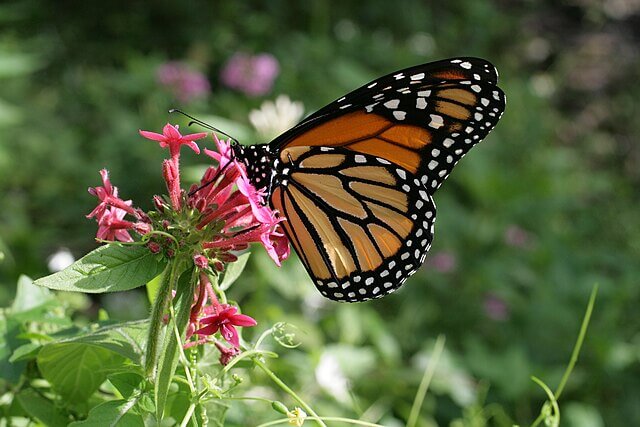
Monarch Butterfly Population in Mexico Rises by 64%: A Sign of Hope for a Threatened Species
The population of monarch butterflies in Mexico has increased by 64% this winter, compared with the same period in 2025. While this is encouraging news for one of the world’s most recognisable pollinators, conservationists warn that monarch butterflies remain under serious threat.
According to figures released by WWF Mexico, monarch butterflies occupied 2.93 hectares (7.24 acres) of forest this winter, up from 1.79 hectares (4.42 acres) the year before. This marks the largest monarch butterfly forest coverage since 2018.
“The monarch butterfly is the symbol of the trilateral relationship between Mexico, the United States and Canada,” Mexican environment minister Alicia Bárcena Ibarra said at a news conference on Tuesday. “Its conservation is a collective commitment we must maintain for the future.”
Why Monarch Butterflies Migrate to Mexico Each Year
Every autumn, tens of millions of the butterflies begin one of the most extraordinary migrations in the natural world. Travelling nearly 3,000 miles, they move from Canada, through the United States, and finally to the forests of western Mexico.
These overwintering sites are a breathtaking spectacle, with bright orange butterflies clustering across entire trees and filling the forest air. This annual migration is one of the most remarkable examples of wildlife movement and survival on Earth.
Why Monarch Butterflies Are Still at Risk of Extinction
Despite this year’s increase, monarch butterfly numbers have fallen dramatically over the past three decades. Scientists and conservationists point to several major threats:
- Deforestation and habitat destruction
- Climate change and extreme weather
- Herbicide use across North America
- Loss of milkweed plants, essential for monarch caterpillars
These pressures continue to place the species at risk, which is why monarch butterflies are widely considered vulnerable to extinction.
The Decline of Milkweed in the United States
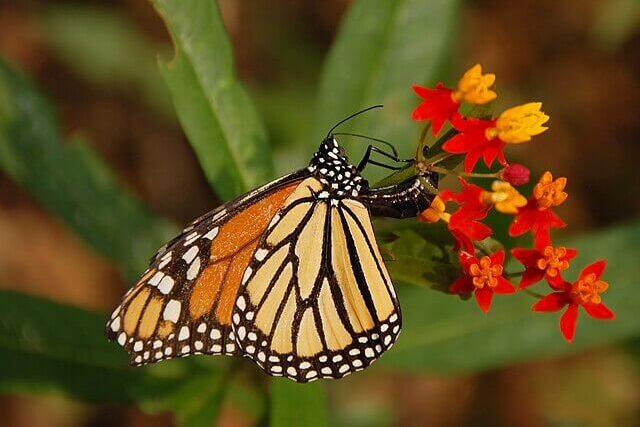
One of the biggest reasons for the decline of monarch butterflies in North America is the disappearance of milkweed – the only plant monarch caterpillars can eat.
In the United States, the widespread use of herbicides such as glyphosate and dicamba has significantly reduced milkweed across farmland and open landscapes. As milkweed disappears, monarch butterflies lose critical breeding habitat, leading to a sharp drop in their population.
Protecting and restoring milkweed is now considered one of the most important actions for monarch butterfly conservation.
Political Delays in Monarch Butterfly Protection
Due to their long-term decline, the Biden administration proposed listing the monarch butterfly as threatened under the Endangered Species Act at the end of 2024.
However, the decision has since been delayed indefinitely by Trump officials, leaving the species without stronger federal protection in the United States. In February, two environmental groups filed a lawsuit to push the administration to set a clear date for action.
“It would be unforgivable for [the monarch’s] epic migrations to collapse because of political cowardice on enacting range-wide protections for them,” said Tierra Curry, endangered species co-director at the Center for Biological Diversity, one of the groups behind the lawsuit in a statement. “Even the Trump administration has to think twice about letting these iconic butterflies collapse toward oblivion.”
This delay highlights the growing urgency around legal protections for monarch butterflies and their habitats.
Illegal Logging and Avocado Farming Threaten Monarch Habitat in Mexico
In Mexico, monarch butterflies face a different but equally serious threat: forest loss in Michoacán, one of their most important overwintering regions.
The rapid spread of avocado farming has contributed to widespread deforestation, with parts of the forest being cleared through illegal logging. Reports suggest that organised crime groups have infiltrated the lucrative avocado trade, driving further destruction of critical butterfly habitat.
This means that even as monarch populations show short-term recovery, the forests they rely on remain under pressure.
Monarch Butterfly Numbers Are Still Far Below Safe Levels
Although the latest figures are positive, monarch butterfly numbers remain well below historical levels.
- Peak winter coverage in 1995: 18.21 hectares (45 acres)
- Current winter coverage: 2.93 hectares (7.24 acres)
- Estimated minimum needed for survival: 6.07 hectares (15 acres)
This means the current monarch butterfly population in Mexico is still only a fraction of what scientists believe is needed for the species’ long-term survival.
The Human Cost of Protecting Monarch Butterfly Forests
The fight to protect monarch butterfly habitat in Mexico has, at times, come at a devastating human cost.
In 2020, Homero Gómez González, one of the country’s most prominent monarch butterfly conservationists, was found dead. His family believed he was targeted by organised crime groups linked to efforts to clear protected forest land.
His death became a stark reminder of the dangers faced by environmental defenders working to protect some of the world’s most valuable ecosystems.
Conservation Efforts Are Making a Difference
Despite ongoing threats, there is evidence that conservation efforts are helping to reduce forest loss.
Illegal logging in monarch butterfly habitat has dropped significantly in recent years. From a peak of nearly 500 hectares (1,235 acres) of forest lost in 2003–2004, just 2.55 hectares (6.3 acres) were affected between February 2024 and February 2025.
This suggests that stronger monitoring, conservation work and local protection measures are having a measurable impact.
“One of the greatest achievements of this work is that illegal logging in the core zone of the Monarch Butterfly Biosphere Reserve has been virtually eradicated since 2008,” María José Villanueva, WWF Mexico’s director, told reporters. “This means that the forests that represent the fundamental habitat for the monarch butterfly’s hibernation are being protected and conserved.”
A Fragile but Important Win for Monarch Butterflies
The 64% rise in monarch butterflies in Mexico is a welcome and hopeful development, but it should not be mistaken for a full recovery.
Monarch butterflies still face serious threats from climate change, habitat loss, herbicides and illegal deforestation. Their future depends on sustained action across Canada, the United States and Mexico to protect breeding grounds, migration routes and overwintering forests.
For now, this winter’s increase offers a rare piece of good news – and a reminder that conservation works when nature is given a chance.
At Natural World Fund, we believe the monarch butterfly’s fragile recovery is a powerful reminder that nature can bounce back; but only if it is properly protected. Habitat loss, climate change and deforestation continue to threaten this iconic species, showing how quickly progress can be undone. If we are serious about protecting wildlife and biodiversity for future generations, urgent action to restore and defend natural habitats must remain a priority.
If you care about restoring native wildlife in the UK, support the work of Natural World Fund today.