
Help Save Scotland’s Endangered Natterjack Toads on the Solway Coast
A growing conservation appeal is calling on the public to help protect Scotland’s last remaining natterjack toad populations by simply listening for their unmistakable call.
Along the Solway Coast, this rare amphibian is fighting for survival—and local communities can play a crucial role in securing its future.
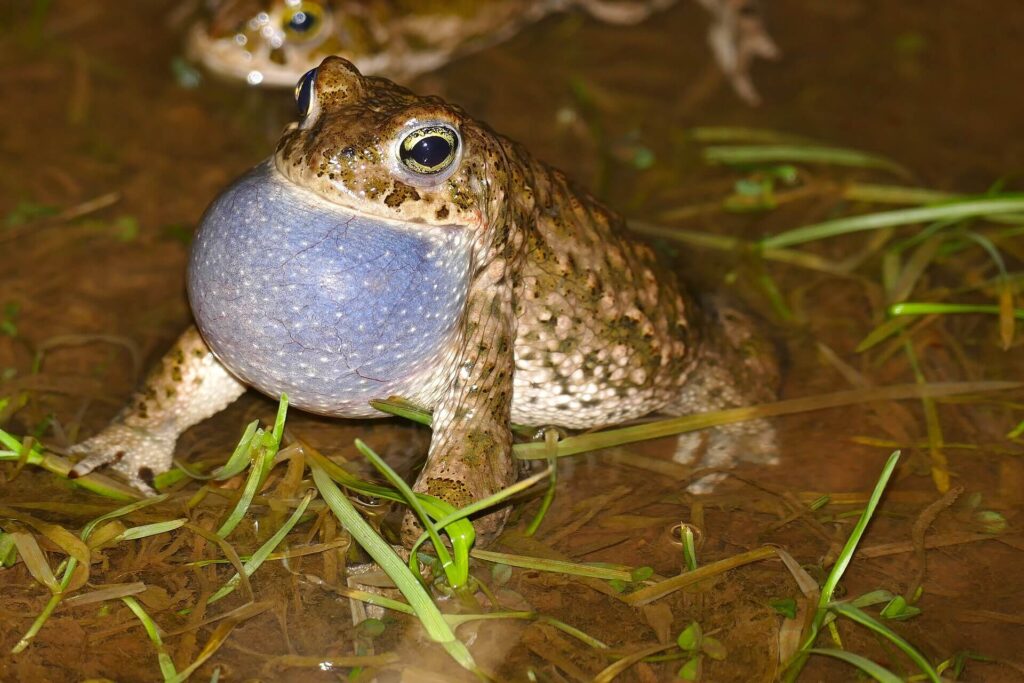
The natterjack toad is not only the rarest amphibian in the UK, but also the loudest. Unlike other native amphibians, it produces a powerful, rasping call that can travel up to one kilometre across coastal landscapes.
This distinctive sound plays a vital role during the breeding season, when males call to attract females. The breeding period typically runs from April through to July, with peak activity on warm evenings following heavy rainfall—making these the best times for people to listen out.
Why Natterjack Toads Are Under Threat in Scotland
Scotland’s natterjack toads are now confined to just a few fragile locations along the Solway Coast. Their dramatic decline in recent years has been driven by a combination of environmental pressures, including:
- Coastal erosion and rising sea levels
- Agricultural intensification and land-use changes
- Urban development and infrastructure expansion
- Commercial forestry practices
- Increasingly severe weather linked to climate change
Their breeding habitats—shallow, temporary pools—are particularly vulnerable. Prolonged droughts can dry them out before tadpoles mature, while storms and flooding can destroy them entirely.
How Citizen Science Is Helping Protect Amphibians
Wildlife organisations are increasingly turning to citizen science to monitor rare species like the natterjack toad. Amphibian and Reptile Conservation (ARC) is encouraging residents and visitors to become active participants in conservation by reporting toad calls.
By collecting simple data—such as when and where calls are heard—conservationists can better understand population trends, identify key breeding sites, and take targeted action to protect them.
Audio recordings are especially valuable, providing confirmation of presence and helping researchers assess population health.
Where to Find Natterjack Toads in Scotland
Natterjack toads are only found in a handful of sites in Scotland, all located along the Solway Coast. One of the most important habitats is the RSPB Mersehead Reserve near Southerness, where conservation efforts are focused on maintaining suitable breeding conditions.
These coastal dune systems and saltmarshes provide the unique environment the species depends on—but they are also among the most vulnerable landscapes in the face of climate change.
Conservation in Action: The Species on the Edge Programme
Efforts to reverse the decline of the natterjack toad are being led through the Species on the Edge programme. This ambitious partnership brings together NatureScot and seven conservation charities to protect Scotland’s most vulnerable coastal and island species.
The programme focuses on habitat restoration, species monitoring, and community engagement—ensuring that local people are directly involved in protecting their natural heritage.
According to project officer Liam Templeton, the natterjack toad is a true “species on the edge,” both geographically and in terms of survival—making urgent conservation action essential.
How to Report a Natterjack Toad Sighting
If you hear the distinctive rasping call of a natterjack toad, you can contribute to its conservation. Simply record the:
- Date and time
- Location
- Audio recording (if possible)
and send the information to sote@arc-trust.org.
Every report helps build a clearer picture of how the species is faring and supports efforts to protect and restore its habitat.
Why Your Involvement Matters
Protecting endangered species like the natterjack toad depends not only on conservation organisations, but also on public awareness and participation. By taking a moment to listen and report, you can directly support one of the UK’s most urgent wildlife conservation efforts.
Small actions—like recognising a call in the night—can have a lasting impact on the future of Scotland’s biodiversity.
Support UK Rewilding Efforts
At Natural World Fund, we support science-led conservation to protect the UK’s most vulnerable species and the fragile ecosystems they depend on. From restoring coastal habitats to tackling the impacts of climate change, our work helps safeguard wildlife like the natterjack toad on the Solway Coast. By promoting sustainable land use, supporting biodiversity recovery, and empowering communities to take action, we can help secure a future where rare species don’t just survive—but thrive.
If you care about restoring native wildlife in the UK, support the work of Natural World Fund today.
Image sources
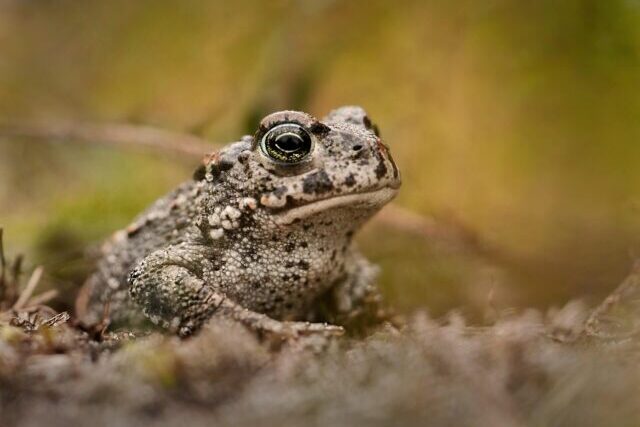
- Natterjack Toad (Epidalea calamita) male calling (16184496963) by Bernard Dupont. Resized from original: Wikipedia Commons
- Natterjack_toad_(Epidalea_calamita),_Schiermonnikoog,_Netherlands_(9536396115) by Frank Vassen. Cropped and resized from original: Wikipedia Commons