

Farming for Nature on the Pevensey Levels: Why Sustainable Farming Support Matters
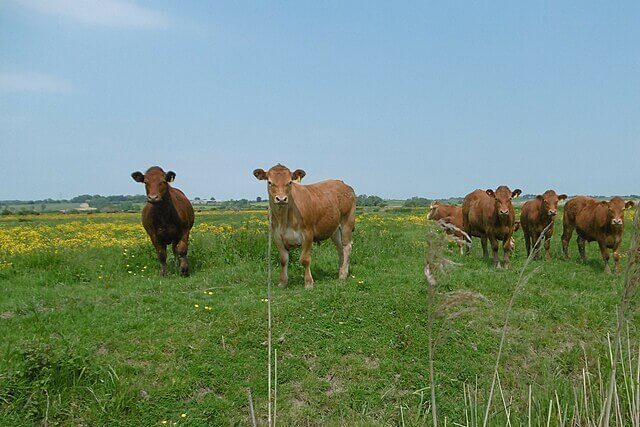
Livestock farmer Martin Hole manages 280 hectares of grazing land on the Pevensey Levels, one of the most biodiverse wetland landscapes in the UK.
His organic farm supports both wildlife and food production. Hedgerows are intentionally left uncut and dense, creating natural shelter and providing berries that help sustain bird populations throughout the seasons.
Hole’s herd of Sussex cattle are well suited to the challenging marshland terrain. They graze on a wide range of grasses including rushes and hardy barley grasses that thrive in the wetland environment but are unsuitable for most livestock. By grazing these tougher plants, the cattle help maintain the diverse grasslands that support insects, birds and other wildlife.
Sustainable Farming and the Impact of Policy Uncertainty
Hole has adopted a range of sustainable farming methods to protect biodiversity and maintain healthy soils. Some of these initiatives were supported by the government’s Sustainable Farming Incentive (SFI), designed to reward farmers for environmentally beneficial land management.
However, when the scheme was paused last year after reaching its budget limit, many farmers were left uncertain about the future of environmental farming support.
“When you’ve changed your breed of livestock, the very nature of your landscape, when you’ve changed your hydrological systems, your perfectly productive pastures into herbage meadows, you need to know that that’s for a lifetime,” he said.
According to the Department for Environment, Food & Rural Affairs (Defra), more than half of UK farmers are currently enrolled in environmental land management schemes, including around 44,000 multi-year SFI agreements.
While the government has said a revised scheme will open in June, farmers say they still lack details about how the new system will work.
Farmers Call for Clarity on the Future of Environmental Schemes
Transitioning to nature-friendly farming often requires significant investment. Hole explains that changing farming practices to support biodiversity has been financially demanding, particularly without long-term certainty around government support.
He compares the relationship between farmers and government to “a marriage”, explaining that uncertainty can create a bruising effect and erode trust.
“When you make the promises at the very beginning, you want the partner to stand by you,” he said.
“You don’t want them to hop in and hop out.”
Without clarity, he says farmers risk losing confidence in the long-term financial sustainability of environmental commitments.
Nature-Friendly Farming on Romney Marsh
Further east, farmer Alan Clifton-Holt manages around 1,500 hectares on the productive arable landscape of the Romney Marsh.
While much of his land grows winter wheat, he has dedicated parts of the farm to nature restoration projects supported by the Sustainable Farming Incentive.
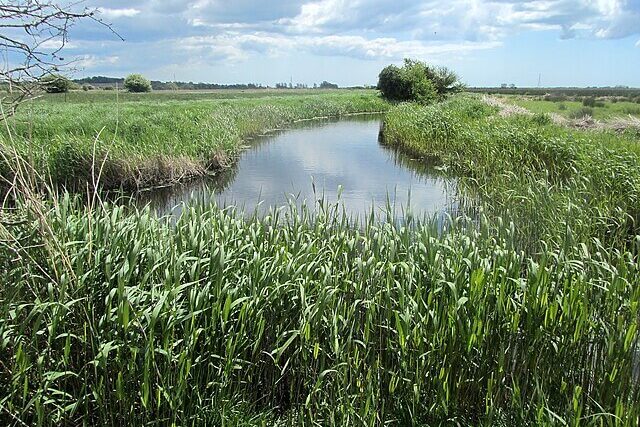
SFI funding helped him establish wetland habitats within the farm, creating ponds and marshy areas among the crops.
The results have been striking: increased sightings of warblers, reed buntings and ducks have returned to the farmland ecosystem.
Clifton-Holt said: “If I was just running this as a business I wouldn’t worry about the nature.”
Clifton-Holt describes himself as passionate about supporting wildlife alongside agriculture.
“We live, breathe and sleep here and that’s why farmers want to be involved in the nature,” he said.
Long-Term Support Is Key for Nature Recovery
Farmers say meaningful environmental change requires time. Creating healthy wetlands or restoring biodiversity cannot happen overnight.
Clifton-Holt believes farmers need at least five to ten years of predictable support to deliver real ecological benefits from nature-friendly farming.
“It takes me a year to establish a grass margin,” he said. “If the scheme’s short it doesn’t work.”
Defra has stated that British farmers remain central to the UK’s food security, rural economy and countryside stewardship. The department says the upcoming version of the Sustainable Farming Incentive will be designed to be simpler and fairer for farmers.
At Natural World Fund, we believe supporting farmers who work with nature is essential to protecting wildlife and restoring healthy ecosystems. Landscapes such as the Pevensey Levels and Romney Marsh show how nature-friendly farming can boost biodiversity while sustaining rural communities. With the right long-term support, farmers can continue to produce food while helping the natural world thrive.