

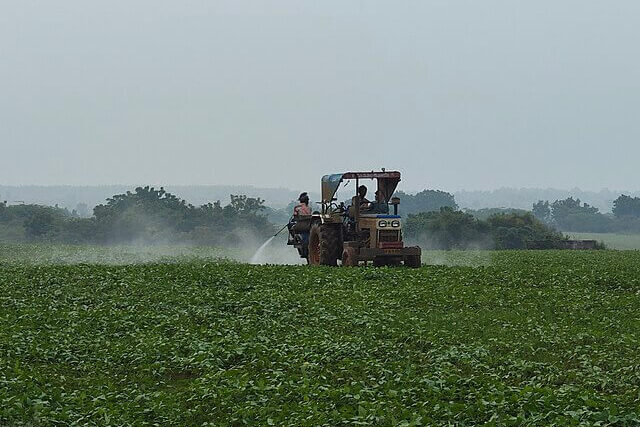
Global Pesticide Use Is Increasing Ecological Damage
The ecological harm caused by pesticides is rising worldwide, with new study showing growing risks for insects, pollinators, fish, soil organisms and wild plants. The increase in the overall toxicity of agricultural chemicals is weakening ecosystems that food production and wildlife both depend on.
Between 2013 and 2019, insects experienced the sharpest rise in harm, with applied toxicity increasing by 42.9%. Soil organisms followed with a 30.8% increase, signalling a serious threat to the living systems that maintain fertile land and healthy crops.
A New Way to Measure the Impact on Nature
To assess global progress on biodiversity targets, researchers used a framework known as Total Applied Toxicity (TAT). This approach measures the real impact of hundreds of pesticides by factoring in how dangerous each chemical is to different species.
Jakob Wolfram, an ecotoxicologist at RPTU University Kaiserslautern-Landau and lead author of the study, said he was “highly concerned” by the trend
“It should be a stark warning that applied toxicities are still increasing in many regions, particularly for species groups that serve vital ecological functions,” he said.
The method supports the international pledge made at the 2022 UN biodiversity summit to halve pesticide risk by 2030. By analysing 625 pesticides across 65 countries – representing almost 80% of the world’s farmland – the study provides the clearest global picture to date.
Regional Progress Is Uneven
Some regions are showing that change is possible. In Europe, the phase-out of neonicotinoids has helped reduce overall toxicity, while China’s zero-growth pesticide policy has also led to measurable declines.
However, the trend is moving in the opposite direction across much of Africa, India, the United States, Brazil and Russia, where pesticide impacts are increasing significantly. At present, Chile is the only country on track to meet the global target of cutting pesticide risk by half this decade.
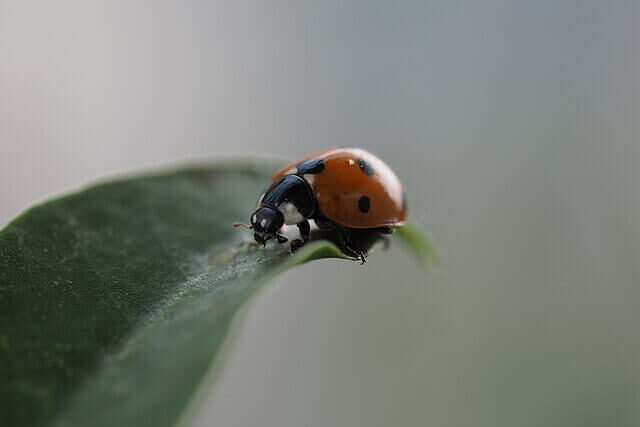
The Hidden Effects on Wildlife and Ecosystems
Although pesticides are designed to kill specific pests, their effects rarely stop there. Many species experience sub-lethal impacts that are harder to detect but equally damaging. These include reduced fertility, behavioural changes and weakened immune systems, all of which can destabilise populations over time.
Mónica Martínez Haro, a wildlife toxicologist at Spain’s National Research Council, who was not involved in the study, described the research as “highly relevant and high-quality” but said the results may be partly underestimated given limitations in the data.
Martínez Haro said: “This is a key study that highlights the urgent need for substantial measures at a global level – such as agricultural diversification, less intensive soil management, greater conversion to organic farming, and the switch to less toxic pesticides – if the United Nations’ goal of safeguarding biodiversity is to be achieved.”
Scientists also warn that current figures may underestimate the real scale of harm because pesticide use data is still incomplete in many parts of the world.
Why Pesticide Use Continues to Rise
Farmers now apply around four million tonnes of pesticides each year – nearly double the volume used in the 1990s. These chemicals have helped increase food production, but they have also degraded soils, polluted freshwater and contributed to the global decline in biodiversity.
As pesticide use grows, ecosystems are becoming increasingly impaired, reducing their ability to recover from climate change and other environmental pressures.
Wolfram said “[This] directly counteracts the risk reduction target set out by the UN’s Global Biodiversity Framework.”
Wolfram added, the pesticide application data needed was sparsely available for most countries, and often of insufficient quality. “One central call from our study is that long-term, high-quality data is needed globally to assess the current status and trends of applied toxicities.”
Protecting Nature Means Reducing Chemical Dependence
Cutting pesticide risk is essential for restoring biodiversity, safeguarding pollinators and maintaining productive land for future generations. Healthy ecosystems provide the foundation for food security, clean water and climate resilience.
At Natural World Fund, we support nature-based solutions that reduce reliance on harmful chemicals and promote sustainable land management. Protecting the natural world means transforming the way we work with nature, not against it.