

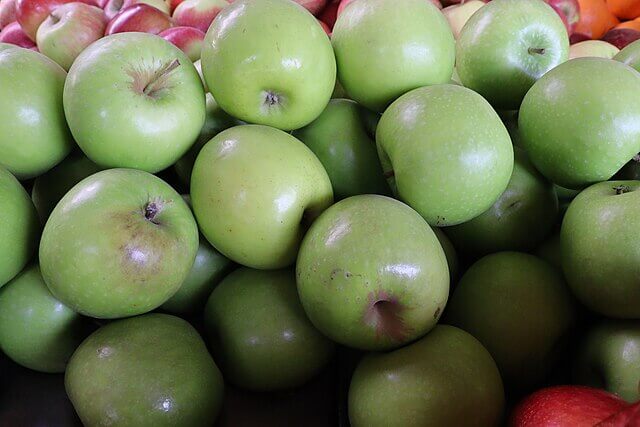
Toxic “Pesticide Cocktails” Found in Apples Sold Across Europe
Environmental groups are raising serious concerns after laboratory tests revealed toxic “pesticide cocktails” in apples sold across Europe. The findings highlight growing worries about food safety, chemical exposure, and the long-term impact of pesticides on human health and the environment.
A coalition of NGOs, Pan Europe, purchased around 60 apples from 13 European countries – including France, Spain, Italy and Poland – and analysed them for chemical residues.
The results raise urgent questions about pesticide regulation in the European Union and the cumulative risks of multiple chemical exposures in everyday foods.
85% of Apples Contained Multiple Pesticide Residues
According to PAN Europe’s analysis:
- 85% of apple samples contained several pesticide residues
- Some apples showed traces of up to seven different chemicals
- 71% of samples contained pesticides classified among the most hazardous in the EU
These hazardous substances are known as “candidates for substitution” — chemicals that EU regulators aim to phase out and replace with safer alternatives.
While individual pesticide residues may fall within legal limits, campaigners warn of the “cocktail effect” — where consumers are exposed to multiple chemicals simultaneously in a single product. Current EU assessments typically evaluate pesticides individually, rather than examining the combined impact of multiple exposures.
‘Forever Chemicals’ (PFAS) Detected in 64% of Samples
The analysis also found that:
- 64% of apples contained at least one per- and polyfluoroalkyl substance (PFAS)
Often referred to as “forever chemicals”, PFAS persist in the environment and accumulate in water, soil, wildlife, and human bodies. They are associated with long-term environmental contamination and potential health risks.
The presence of PFAS residues in such a widely consumed fruit adds to growing public concern about chemical pollution across Europe.¡
Martin Dermine, a senior official at the coalition, criticised the European Food Safety Authority for assessing pesticides individually rather than the risk from “multiple exposure” to several substances.
“In this report, we show that 85% of the apples have multiple residues, and we don’t know if they are safe for consumption or not,” he said, acknowledging possible links to cancer and infertility.
Stricter Rules for Baby Food Would Ban Most Samples
PAN Europe noted that if the same apples were sold as processed baby food, 93% of the samples would exceed legal pesticide limits.
EU regulations impose stricter residue thresholds for foods intended for children under three years old, recognising their vulnerability during early development. The findings suggest that apples deemed acceptable for the general population may not meet safety standards designed to protect infants.
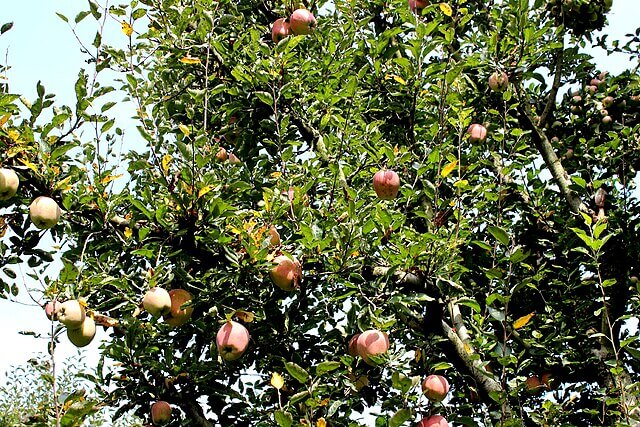
Why Are Apples So Heavily Treated?
Apples are among Europe’s most popular fruits and the most widely grown across the EU — particularly in Poland, Italy and France. However, they are also among the most heavily treated crops.
Orchards frequently apply pesticides to combat apple scab, a fungal disease that threatens yields and fruit quality. On average, apples can receive around 35 pesticide treatments per year, with more than half targeting this disease alone.
This intensive chemical use raises important questions about:
- Sustainable farming practices
- Environmental protection
- Consumer health
- The transition to safer agricultural systems
What Can Consumers Do?
PAN Europe advises consumers to:
- Choose organic apples, which prohibit most synthetic pesticide use
- Peel conventionally grown apples before eating
- Support policies that reduce reliance on hazardous pesticides
Protecting biodiversity, soil health and public wellbeing requires urgent action to reduce toxic chemical use in agriculture. Sustainable farming methods and stronger regulatory safeguards are essential to safeguarding both people and the planet.
Protecting Nature and Public Health
The findings underline the need for:
- Stronger pesticide regulation
- Better assessment of cumulative chemical exposure
- Greater investment in agroecology and organic farming
- Increased transparency for consumers
Reducing reliance on harmful pesticides is not only a public health issue — it is critical for restoring ecosystems, protecting pollinators, and building a truly sustainable food system for future generations.
At Natural World Fund, we believe these findings expose the urgent need to reduce pesticide dependency and transform the way food is produced across Europe and here in the UK. Protecting public health and restoring nature means tackling agricultural chemical use at its source, strengthening regulation around hazardous substances, and accelerating the transition to safer, sustainable farming systems.
Reducing exposure to harmful pesticide mixtures cannot be achieved through piecemeal reforms or voluntary measures alone. It requires science-led regulation, meaningful support for farmers to adopt agroecological and organic practices, and clear political leadership to phase out the most dangerous chemicals. Safeguarding soil health, pollinators, water quality and consumer wellbeing must be central to future agricultural policy.
A healthy food system depends on healthy ecosystems. By cutting reliance on toxic pesticides and investing in nature-friendly farming, we can protect biodiversity, rebuild public trust in food safety, and create a more resilient agricultural system for future generations.