

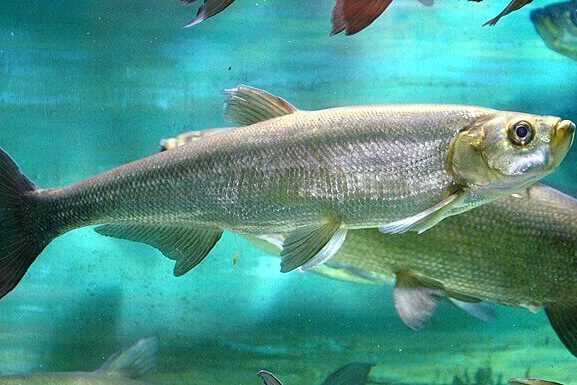
Pesticides Linked to Shortened Fish Lifespans, Study Finds
New research has found that pesticides can dramatically reduce the lifespan of fish, even when present at low levels commonly found in freshwater environments. The findings raise serious concerns about the long-term impacts of agricultural chemicals on aquatic ecosystems and biodiversity.
Low-Dose Chemical Exposure Accelerates Ageing in Fish
The study, led by biologist Jason Rohr from the University of Notre Dame and published in Science, shows that chronic exposure to low concentrations of pesticides accelerates biological ageing in fish. Signs of ageing appeared even at doses far below those known to cause immediate harm.
Current Chemical Safety Standards May Miss Long-Term Risks
Most chemical safety regulations focus on short-term exposure to high doses of pesticides. However, low-level contamination is widespread in rivers and lakes, meaning aquatic species are often exposed continuously over long periods.
Researchers warn that these long-term effects are poorly understood and largely overlooked in current regulatory frameworks.

Field and Laboratory Research Reveal Hidden Impacts
Researcher Kai Huang combined field data from more than 20,000 lake skygazer fish across multiple lakes in China with laboratory experiments. The team exposed fish to persistent low levels of chlorpyrifos, a widely used agricultural pesticide.
Fish living in pesticide-contaminated lakes showed shortened telomeres — protective caps on chromosomes that act as a biological marker of ageing. Shortened telomeres indicate reduced regenerative capacity and accelerated cellular decline.
“Given the conserved mechanisms of telomere biology across vertebrates, chronic low-dose exposure to these chemicals may pose similar ageing-related risks in humans, potentially contributing to age-associated diseases,” the researchers write.
Rohr said: “When we examined telomere length and deposition of lipofuscin in the livers of the fish – well-established biological markers of ageing – we found that fish of the same chronological age were ageing faster in the contaminated than clean lakes.”
Chlorpyrifos Identified as a Key Driver of Fish Ageing
Chemical analysis revealed that chlorpyrifos was the only compound consistently linked to ageing effects in fish tissues. These effects included telomere shortening and lipofuscin accumulation, a build-up of cellular waste often associated with ageing.
Chlorpyrifos is banned in the UK and EU but remains in use in countries such as the United States and China.
Ageing Effects Found Below Safety Thresholds
Crucially, the ageing effects were detected at concentrations below current US freshwater safety standards. While short-term exposure to high doses caused acute toxicity and death, it did not trigger the same ageing processes.
He said: “Our results challenge the assumption that chemicals are safe if they do not cause immediate harm. Low-level exposures can silently accumulate damage over time by accelerating biological ageing, highlighting that chemical safety assessments must move beyond short-term toxicity tests to adequately protect environmental and human health.”
The researchers concluded that long-term, low-dose exposure poses a distinct and underestimated threat to fish health.
Shortened Fish Lifespans Threaten Ecosystem Stability
Reduced lifespan has serious consequences for aquatic ecosystems. Older fish play a vital role in reproduction, genetic diversity and population stability, meaning pesticide-driven ageing could weaken entire freshwater systems over time.
The findings highlight the urgent need to reassess how pesticides are regulated and to better protect freshwater biodiversity from chronic chemical pollution.
At Natural World Fund, we support efforts to protect freshwater ecosystems and the wildlife they sustain. Reducing chemical pollution in rivers and lakes is essential for safeguarding aquatic biodiversity and ensuring healthy ecosystems for future generations.