

UK to Increase Testing for “Forever Chemicals” (PFAS) Amid Health and Environmental Concerns
A National Plan to Tackle PFAS Pollution
The UK government has announced a new strategy to expand testing for PFAS — commonly known as “forever chemicals” — as concern grows about their impact on nature, drinking water and human health. These substances are used in a wide range of everyday products because they repel water and oil and are inexpensive to manufacture. However, their strong chemical structure means they do not break down in the environment and can build up over time.
Environment Minister Emma Hardy described PFAS as one of the most pressing chemical challenges of our time, highlighting the need for better evidence, reduced use and closer collaboration with industry to find safer alternatives.
“It’s crucial that we protect both public health and the environment for future generations. Through our PFAS Plan, we will act decisively to reduce their harmful effects while transitioning to safer alternatives,” she said.
Why Forever Chemicals Are a Long-Term Threat
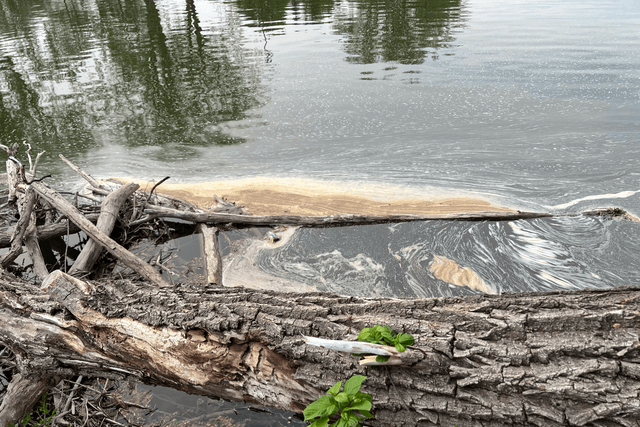
PFAS are now found across the environment, from rivers and soils to wildlife and food chains. They are released during manufacturing, through the washing of treated clothing and from waste sludge spread on farmland. Many common household items — including non-stick cookware, cosmetics and waterproof textiles — can also contribute to this pollution.
But Dr Liz Chadwick, senior lecturer in biosciences at Cardiff University, said the chemicals leak out into the environment from manufacturing, washing our clothes or products with PFAS, as well as from the spread of waste sludge from water treatment works onto agricultural fields.
“PFAS are very persistent in the environment, they are also bioaccumulative and they are also known to be toxic, those three things together gives our rise for concern about chemicals in the environment,” said
Scientists are particularly concerned because some PFAS are toxic and remain in the environment for decades. Earlier this year, the World Health Organization raised significant concerns about PFAS. It classified PFOA as carcinogenic and PFOS as possibly carcinogenic, linking exposure to increased risks of thyroid, kidney and testicular cancers. Both substances are already banned in the UK, but many others remain in use.
More Environmental Monitoring Across the UK
As part of the new plan, testing for PFAS will increase significantly. Water monitoring in Scotland and Wales will rise by 50%, while wildlife in coastal areas of England and soils in priority locations will be analysed to identify pollution hotspots. The government also intends to improve public access to information by launching a dedicated PFAS website.
This expanded monitoring is designed to build a clearer picture of where the most harmful chemicals are accumulating and how people and nature are being exposed.

Pressure for Faster Regulation
Although the strategy has been broadly welcomed by scientists and environmental organisations, many believe the pace of change is too slow. New chemical regulations can take around five years to implement, and there is currently no firm commitment to a full ban.
The UK has said it will align more closely with EU rules by the end of 2028. The EU is moving towards prohibiting all non-essential uses of PFAS, a step that could accelerate future restrictions in the UK.
Water companies, which must remove PFAS from drinking water when levels are too high, argue that the financial burden should not fall on them and are calling for a complete phase-out of the chemicals.
The Challenge for Industry
Forever chemicals are “one of the most pressing chemical challenges of our time,” Environment Minister Emma Hardy said as she launched the plan.
“It’s crucial that we protect both public health and the environment for future generations. Through our PFAS Plan, we will act decisively to reduce their harmful effects while transitioning to safer alternatives,” she said.
Some sectors say alternatives are not yet available for essential technologies such as hydrogen production, and switching to PFAS-free materials can be costly. However, a growing number of manufacturers are already making the transition, demonstrating that innovation can reduce reliance on toxic chemicals.
A Precautionary Approach to Protect Nature and Health
Many experts believe the government should adopt a precautionary principle, restricting PFAS where there is evidence of potential harm rather than waiting for definitive proof. With these chemicals now present across the natural world, early action is seen as critical to preventing further contamination.
For organisations like Natural World Fund, tackling PFAS pollution is essential to protecting wildlife, safeguarding ecosystems and ensuring clean water for future generations.
At Natural World Fund, we see the growing presence of PFAS in our water, soil and wildlife as a warning that chemical pollution has exceeded the limits nature can safely absorb. These substances do not simply disappear — they accumulate over time, threatening ecosystems, contaminating drinking water and placing long-term pressure on public health. Stronger regulation, faster phase-outs of non-essential uses and investment in safer alternatives are essential if we are to reduce this invisible burden on the natural world. By working with science and supporting solutions that prevent pollution at its source, we can protect both people and wildlife and move towards a cleaner, more resilient future.