

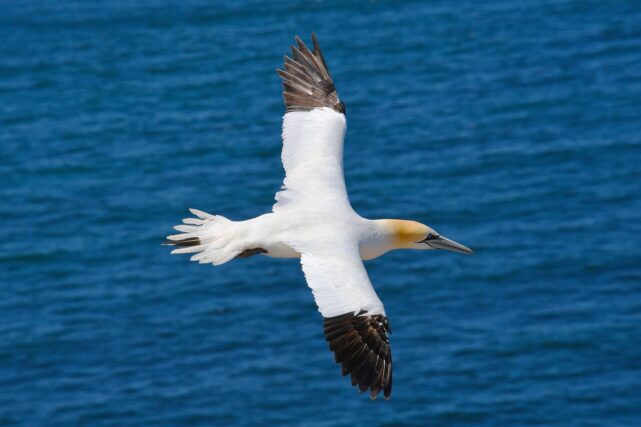
Dangerous PFAS Chemicals Fall in Canadian Seabird Eggs as Regulations Show Positive Impact
Levels of some of the world’s most harmful PFAS “forever chemicals” have fallen significantly in Canadian seabird eggs, according to a new peer-reviewed study. Researchers say the findings provide encouraging evidence that environmental regulations and restrictions on toxic chemicals can reduce pollution and benefit wildlife.
The research tracked PFAS contamination in northern gannet eggs over more than five decades and found that concentrations rose sharply during the peak years of chemical use before dropping substantially after regulatory action was introduced.
Long-Term Study Reveals Rise and Fall of PFAS Pollution
Scientists examined PFAS levels in eggs collected from northern gannets in the St Lawrence Seaway basin over a 55-year period.
During the rapid expansion of PFAS use between the 1960s and late 1990s, contamination levels increased dramatically. PFAS chemicals became widely used because of their resistance to water, heat and stains, appearing in products ranging from firefighting foam and stain-resistant coatings to industrial manufacturing applications.
After reaching peak concentrations in the late 1990s and early 2000s, levels of some of the most concerning compounds began to decline.
This reduction coincided with increasing regulatory pressure on chemical manufacturers. Major producer 3M started moving away from PFOS, one of the most widely used and toxic PFAS compounds, and by 2015 leading chemical companies had agreed with the US Environmental Protection Agency to phase out PFOS and PFOA.
Scientists Say Regulations Are Delivering Results
Raphael Lavoie, co-author of the study and ecotoxicologist with Environment and Climate Change Canada, described the findings as encouraging.
“We see this incredible rise to a peak where concentrations seem to be higher than toxicological threshold for those birds, then it really decreases in a nice way,” Lavoie said. “The regulations are having a good effect.”
The study highlights how coordinated environmental policies can influence pollution levels over time and reduce risks to wildlife populations.
What Are PFAS “Forever Chemicals”?
PFAS are a group of at least 16,000 synthetic chemicals used globally in consumer and industrial products.
They are often referred to as “forever chemicals” because they do not naturally degrade in the environment and can remain in soil, water and living organisms for extremely long periods.
Growing evidence has linked PFAS exposure to a range of health concerns, including:
- Cancer
- Thyroid disease
- Kidney problems
- Reduced immune function
Because these chemicals persist and accumulate, they can spread through ecosystems and enter food chains, creating long-term environmental impacts.
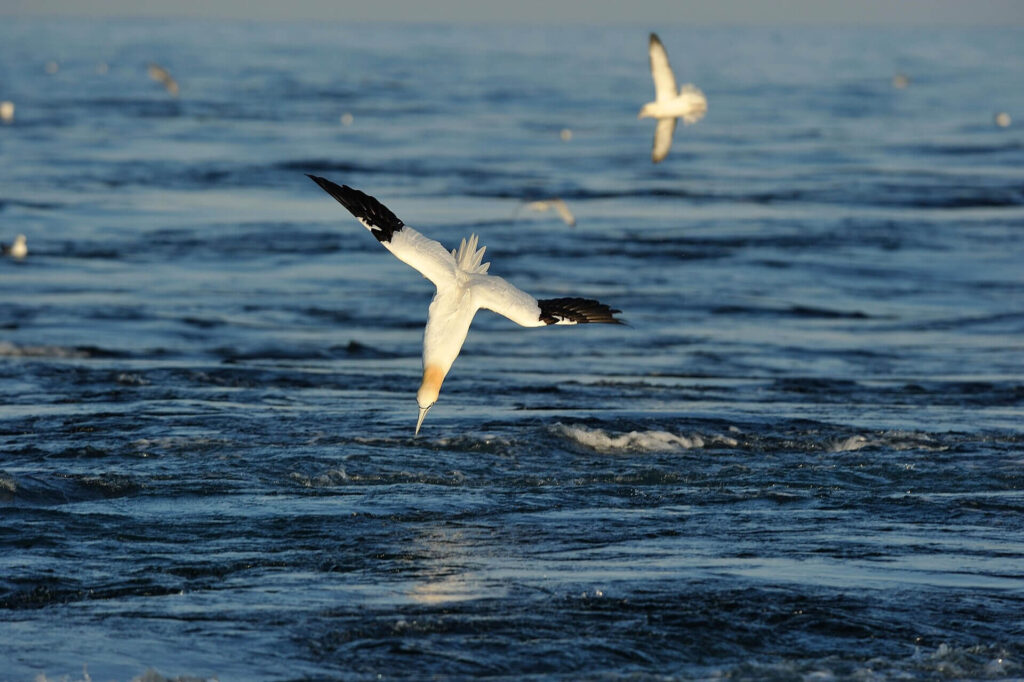
Northern Gannet Eggs Show Major Reductions in Toxic Compounds
The eggs used in the study were collected from remote Bonaventure Island, home to North America’s largest northern gannet colony.
Researchers recorded substantial declines in several toxic PFAS compounds:
- PFOS levels dropped from a peak of 100 parts per billion (ppb) to 26ppb by 2024 — a reduction of around 74%
- PFOA levels fell by approximately 40%, although recent data showed a slight increase
- PFHxS concentrations dropped from 0.69ppb to 0.19ppb — roughly a 72% decrease
The findings suggest that restrictions on major PFAS chemicals have contributed to meaningful reductions in environmental contamination.
Industrial Pollution Created Serious Risks for Wildlife
The study explains that PFAS production increased rapidly between 1969 and the mid-1990s due to growing industrial and commercial demand.
At the time, there was little regulatory oversight, allowing these chemicals to accumulate across ecosystems.
Northern gannets were particularly vulnerable because the St Lawrence system received polluted water flowing from heavily industrialised regions around the Great Lakes and upper Midwest manufacturing areas.
According to researchers, PFAS levels reached concentrations in bird eggs that posed potential ecotoxicological risks to wildlife populations.
New PFAS Compounds Continue to Raise Concerns
While the reduction in older PFAS compounds represents progress, researchers caution that newer generations of PFAS chemicals may create future environmental challenges.
As restrictions increased on PFOS and PFOA, manufacturers shifted toward smaller replacement compounds that may still carry environmental risks.
Researchers believe these newer substances may be increasing in the environment, although they are more difficult to detect because they do not accumulate in bird tissues as readily.
The study identified signs of this transition but noted that more monitoring will be needed to understand the long-term impacts.
Scientific Monitoring Remains Essential
Although contamination levels have fallen, PFAS pollution remains a continuing issue because many of these compounds can persist in ecosystems and animal tissues for decades.
Researchers warned that existing contamination will likely remain present for many years.
The study authors wrote that this reality “emphasizes the importance of maintaining scientific and regulatory vigilance”.
The findings provide evidence that environmental action can reduce pollution, while also demonstrating the need for continued monitoring and stronger efforts to address emerging chemical threats.
Support Environmental Conservation Efforts
At Natural World Fund, we support action to reduce pollution and protect ecosystems from long-lasting environmental threats. Persistent chemicals such as PFAS can harm wildlife, contaminate habitats and affect the health of natural systems for generations. Supporting stronger environmental protections, scientific research and sustainable solutions is essential for safeguarding biodiversity and creating a healthier, more resilient future for both people and nature.
If you care about restoring native wildlife, support the work of Natural World Fund today.
Image sources
- Plongeon_de_fou_de_Bassan_(Morus_bassanus)_(Ifremer_00759-87132_-_45694) (3) by Ol. Resized from originalivier Dugornay: Wikipedia Commons
- Northern_gannet_in_flight,_Lummenfelsen,_Heligoland,_Germany by Carsten Steger. Resized from original: Wikipedia Commons