

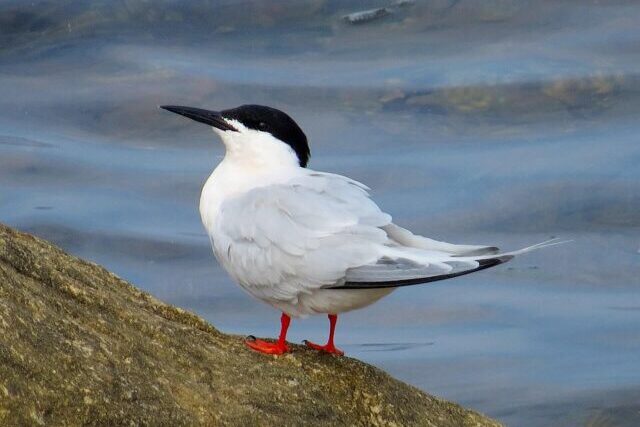
Record Number of Rare Roseate Terns Nest on Coquet Island
A record number of rare roseate terns have nested on Coquet Island, a protected offshore wildlife sanctuary in Northumberland.
The RSPB recorded 155 pairs of roseate terns on the island during the latest breeding season. It is the highest number recorded there in more than 50 years.
The news offers hope for one of England’s rarest breeding seabirds. However, conservationists warn that seabirds across the island still face serious threats.
Roseate tern numbers reach a 50-year high
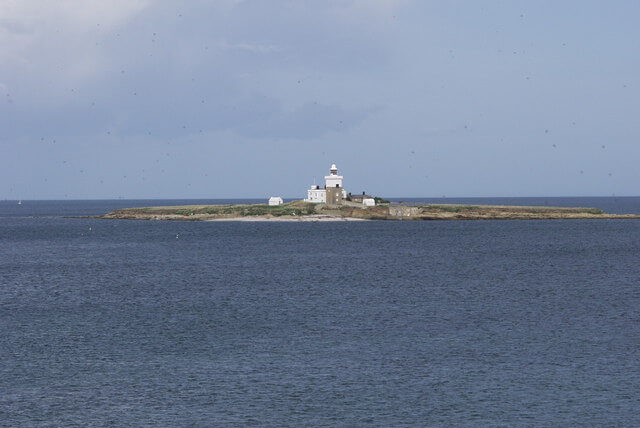
Coquet Island lies around a mile off Amble in Northumberland. It is home to the UK’s only breeding colony of roseate terns.
The RSPB said around 45,000 seabirds breed on the island each year. The island is protected under UK and international law and is managed by a small team of RSPB wardens and volunteers.
Coquet Island is closed to the public. This helps protect its important breeding seabirds from human disturbance.
RSPB reserve manager Sarah Dalrymple said: “When you’re talking about England’s rarest breeding seabird, every pair really matters.”
She described the latest figures as “incredibly special” and “a real cause for celebration”.
Roseate tern fledglings also show promise
The number of young roseate terns, known as fledglings, also appears encouraging this year.
Around 150 fledglings have already been counted, with more expected to be recorded in the coming weeks.
The number of breeding pairs had previously reached 154 in 2022. However, the population fell after an outbreak of bird flu affected the island.
The latest recovery is particularly significant when compared with the long-term history of roseate terns on Coquet Island.
The island recorded its highest number in 1967, when 230 pairs were counted. Across England, there were 355 pairs in 1970.
By 1985, however, the number on Coquet Island had fallen to just 34 pairs.
Why did roseate tern numbers decline?
The decline was linked to several threats, including human disturbance, a loss of suitable nesting sites and shortages of food caused by unsustainable fishing.
These pressures show why protecting breeding habitats is so important for rare seabirds.
Conservation work on Coquet Island has helped create safer conditions for roseate terns. The latest population increase suggests these efforts are making a difference.
RSPB warden Rebekah Goodwill lives on Coquet Island during the summer. She helps coordinate bird counts with the charity’s volunteers.
Rather than counting individual birds, the team counts nests. This provides a more accurate way to measure the island’s breeding population.
Puffin numbers also increase
Roseate terns are not the only seabirds doing well on Coquet Island.
The RSPB recorded 27,170 pairs of puffins in breeding burrows this year. That represents a 45% increase compared with last year’s count.
The strong puffin numbers are another positive sign for the island’s seabird population.
However, not every species is experiencing the same recovery.
Other seabirds face growing pressures
The RSPB warned that the threats facing seabirds have not disappeared.
Some other species on Coquet Island, including sandwich terns, eiders and fulmars, have declined in number.
The charity said these birds face some of the same pressures that affected roseate terns in the 1980s.
Disease, predation and climate change are also creating additional challenges for seabirds.
Changing environmental conditions can affect the availability of food and the places where seabirds can successfully breed.
Life on a protected seabird island
For Rebekah Goodwill, spending the summer on Coquet Island means living alongside thousands of breeding seabirds.
As the only permanent inhabitant apart from reserve manager Sarah Dalrymple, she said island life was “noisy”.
“In the height of the the season, we’ve got thousands of birds all around us and outside our bedroom windows, but it’s one of those sounds you really enjoy hearing,” she said.
The work also provides a close view of the recovery of one of Britain’s rarest seabirds.
Goodwill described the increasing roseate tern population as “rewarding”. She hopes the recovery could eventually allow the birds to establish breeding colonies in other parts of the UK.
“To see them bounce back so well has been just great, it’s been such a success story for the island,” she said.
Protecting the future of Britain’s seabirds
The record number of roseate tern pairs on Coquet Island is an important conservation success.
It shows what can happen when rare seabirds are given protection from disturbance and suitable places to breed.
Yet the decline of other seabird species highlights the continuing challenges facing Britain’s coastal wildlife.
Protecting habitats, maintaining healthy marine ecosystems and tackling threats such as climate change will remain essential to securing a future for the UK’s seabirds.
Protecting seabirds and restoring nature
At Natural World Fund, we believe protecting wildlife means restoring healthy ecosystems and giving nature the space it needs to recover. From protecting habitats to supporting nature recovery, action can help create a safer future for seabirds and the wider marine environment.
Image sources
- Coquet_Island_-_geograph.org.uk_-_1487666 by Ian Cardinal. Cropped and resized from original: Wikipedia Commons
- 2021-07-10_Sterna_dougallii,_St_Marys_Island,_Northumberland_02 by MPF. Cropped and resized from original: Wikipedia Commons