

From Hospital Waste to Sustainable Innovation: A Seaweed Alternative to Single-Use Plastic
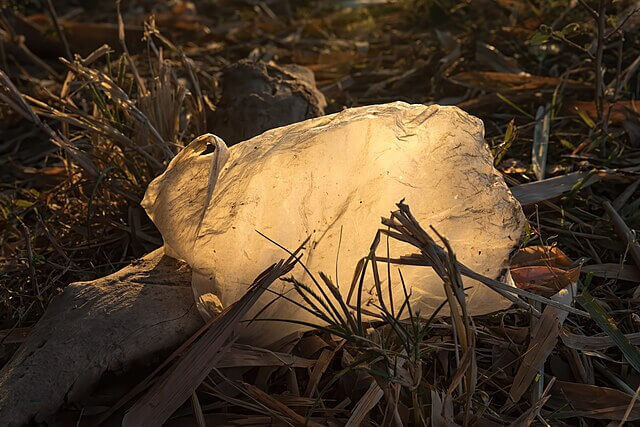
It was during a hospital placement that Olivia Simpson first witnessed the overwhelming scale of single-use plastic waste in healthcare. Every day, vast quantities of plastic products were used once and then discarded — either incinerated, contributing to climate change, or buried in landfill where they can take decades to break down.
She said: “I thought to myself, why are we making devices to help our health, but which are actually detrimental to the environment and then form microplastics which impact us?”
While studying Medical Science at the University of Wolverhampton, Simpson began exploring solutions. There, she met Dr Mattia Parati, and together they developed a bold idea: to create a truly natural, bio-based alternative to plastic — one that would have minimal environmental impact, or even benefit the planet.
A Compostable Plastic Alternative Made from Seaweed
The result is an innovative material made from sustainably farmed seaweed sourced from South East Asia. Designed to behave like conventional plastic but without the environmental harm, the material is fully compostable and biodegradable.
What began as a university concept is now a growing business based on an industrial estate in the Black Country. Their mission is clear: replace harmful single-use plastics with sustainable, nature-based alternatives.
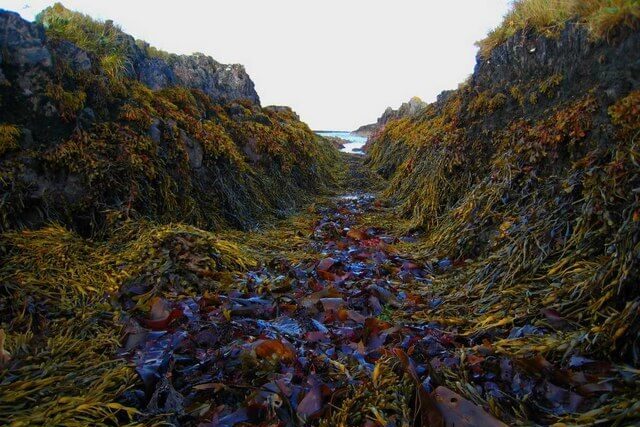
Seaweed was chosen not only for its renewability but also for its environmental benefits. It grows rapidly, absorbs carbon, and requires no freshwater or fertilisers to cultivate — making it one of the most sustainable raw materials available.
The Breakthrough: Turning Seaweed into a Plastic-Like Material
The development process involved more than 370 experimental attempts. The breakthrough came when sugar was added to “plasticise” the seaweed-based material, allowing it to mimic the flexibility and durability of conventional plastics.
Parati said: “When you heat plastic up it flows, but for seaweed when you heat it up it burns, it doesn’t melt.”
The manufacturing process works as follows:
- A seaweed-based powder is fed into a machine.
- The material is heated and extruded into long strands, similar in thickness to spaghetti.
- These strands are chopped into small pellets.
- The pellets can then be used in standard injection moulding machines to create products of any shape or size.
Crucially, these pellets can be dropped directly into existing industrial machinery — meaning businesses can switch from traditional plastic to compostable seaweed material without investing in entirely new production systems.
Compostable, Biodegradable — and Even Soil-Enhancing
In the offices of Symbiotex, everyday plastic items have been reimagined using this seaweed-based alternative. From flatpack furniture packaging components to coffee cups and even medical testing casings, the material is already replacing conventional single-use plastics.
An office wormery demonstrates its compostable qualities. Former coffee cups, golf tees, and even pregnancy test casings made from the material are breaking down naturally in soil.
“At the end of its life, our material can be home composted, it can go to landfill or incineration and we’re not releasing that locked up carbon you have in fossil fuels,” she said
Because seaweed is commonly used as a fertiliser, the material may even add nutrients back into the earth as it decomposes — turning waste into a potential environmental benefit.
Sustainable Innovation for Healthcare and Beyond
One company is already using the seaweed-based material for the casing of lateral flow tests — exactly the type of disposable plastic product Simpson observed during her hospital placement.
The team continues to refine the formulation, introducing new colours and even transparency, expanding its commercial potential across multiple industries including:
- Healthcare
- Packaging
- Consumer goods
- Manufacturing
This innovation highlights how nature-based solutions can tackle the global plastic crisis while supporting circular economy principles.
Rethinking Single-Use Plastics with Nature-Based Solutions
Single-use plastics remain one of the most pressing environmental challenges in the UK and worldwide. Compostable, bio-based materials made from renewable sources such as seaweed offer a practical and scalable alternative.
By aligning innovation with natural systems, businesses can reduce waste, lower carbon impact, and contribute to a more sustainable future.
At Natural World Fund, we champion nature-led solutions that restore ecosystems and reduce environmental harm. Innovations like seaweed-based biodegradable plastics show how working with nature — rather than against it — can deliver lasting environmental and economic benefits.