

Ocean “Regime Shift” Warning as Seaweed Blooms Surge Worldwide
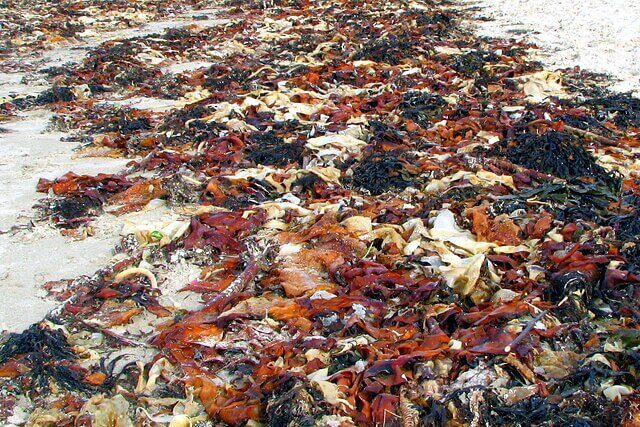
Scientists are warning that the world’s oceans may be approaching a major ecological regime shift, driven by the explosive growth of vast floating seaweed mats. This rapid expansion is strongly linked to global heating, nutrient pollution from agriculture, and other human-driven pressures on marine environments.
For conservation organisations such as the Natural World Fund, the findings highlight the urgent need to restore ocean health, reduce runoff pollution, and tackle climate change at source.
Seaweed Blooms Growing by 13.4% Every Year
Research from the University of South Florida shows that seaweed blooms in the tropical Atlantic and western Pacific have increased by an average of 13.4% per year over the past 20 years, with the most dramatic expansion occurring after 2008.
“Before 2008, there were no major blooms of macroalgae [seaweed] reported except for sargassum in the Sargasso Sea,” said Chuanmin Hu, a professor of oceanography at the USF College of Marine Science and the paper’s senior author.
“On a global scale, we appear to be witnessing a regime shift from a macroalgae-poor ocean to an macroalgae-rich ocean.”
This sustained growth signals a large-scale transformation in ocean systems, with potentially long-lasting impacts on marine biodiversity, fisheries, and coastal communities.
Climate Change and Agricultural Runoff Fuel the Crisis
The study links the spread of floating algae to:
- Rising sea temperatures caused by climate change
- Fertiliser and waste runoff entering rivers and seas
- Coastal and industrial pollution
These nutrients create ideal conditions for massive seaweed blooms, which can block sunlight, deplete oxygen in the water, and disrupt fragile marine food webs.
Giant Seaweed Belts Visible From Space
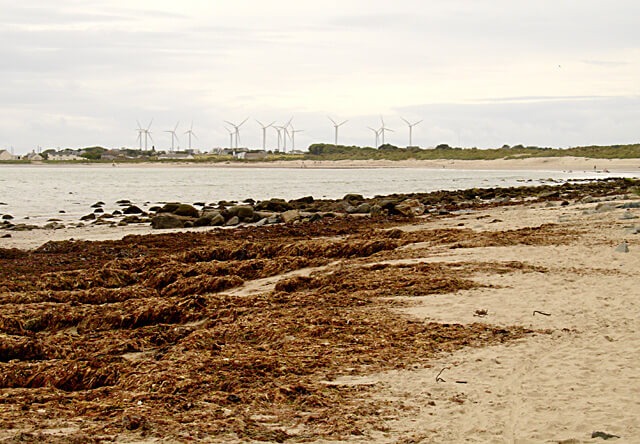
Some blooms are now so large they can be seen from orbit. The most well-known example is the Great Atlantic Sargassum Belt, which stretches from the Gulf of Mexico to the mouth of the Congo.
Other major events include:
- A vast seaweed ring around the Chatham Islands, recently captured by Nasa
- Recurring “red tide” blooms off the coast of Florida
These satellite observations show that floating algae is becoming a global ocean phenomenon rather than isolated regional events.
Artificial Intelligence Maps Two Decades of Ocean Change
To understand the scale of the problem, scientists analysed 1.2 million satellite images collected between 2003 and 2022 using advanced deep-learning artificial intelligence.
This months-long process delivered the first global map of floating algae, revealing:
- Large seaweed blooms expanding rapidly
- Microalgae such as phytoplankton increasing more slowly at around 1% per year
Ecological Tipping Points Detected
“What is noteworthy is that most increases in both floating macroalgae and microalgae scums occurred in the recent decade, in line with the accelerated global ocean warming since 2010,” the authors wrote.
Researchers identified key tipping points in 2008, 2011 and 2012, when different seaweed species suddenly expanded in separate ocean regions.
Interestingly, phytoplankton did not show the same response, suggesting they are more sensitive to temperature shifts and eutrophication, while larger seaweeds are thriving in nutrient-rich, warming waters.
“If this is the case, we believe that a regime shift in oceanographic conditions has already occurred to favour macroalgae, which will have profound impacts on radiative forcing in the atmosphere and light availability in the ocean, as well as on carbon sequestration, ocean biogeochemistry and upper ocean stability,” the researchers wrote.
Why This Matters for Ocean Conservation
The growth of vast floating seaweed mats could:
- Darken surface waters and alter marine habitats
- Change ocean chemistry and carbon cycling
- Accelerate climate breakdown
- Threaten fisheries and coastal economies
For environmental charities and ocean recovery projects, this reinforces the importance of:
- Cutting agricultural pollution
- Protecting marine ecosystems
- Addressing the root causes of climate change
Published in Leading Scientific Journal
The full study appears in Nature Communications, providing the first comprehensive global assessment of floating marine algae and a stark warning about the future of our oceans.
At Natural World Fund, we believe the explosive growth of seaweed blooms is a stark warning that our oceans are being pushed beyond their natural limits. Climate change, agricultural runoff and marine pollution are not isolated problems — they are driving large-scale ecological shifts that threaten wildlife, coastal communities and the ocean’s ability to regulate our climate.
Protecting ocean health means tackling these pressures at their source: rapidly cutting greenhouse gas emissions, reducing nutrient pollution from farming, and restoring marine ecosystems so they can recover and remain resilient. The future of people and nature depends on a living ocean that can continue to store carbon, support biodiversity and sustain livelihoods. Urgent, coordinated action is essential to prevent today’s warning signs from becoming tomorrow’s irreversible tipping points.